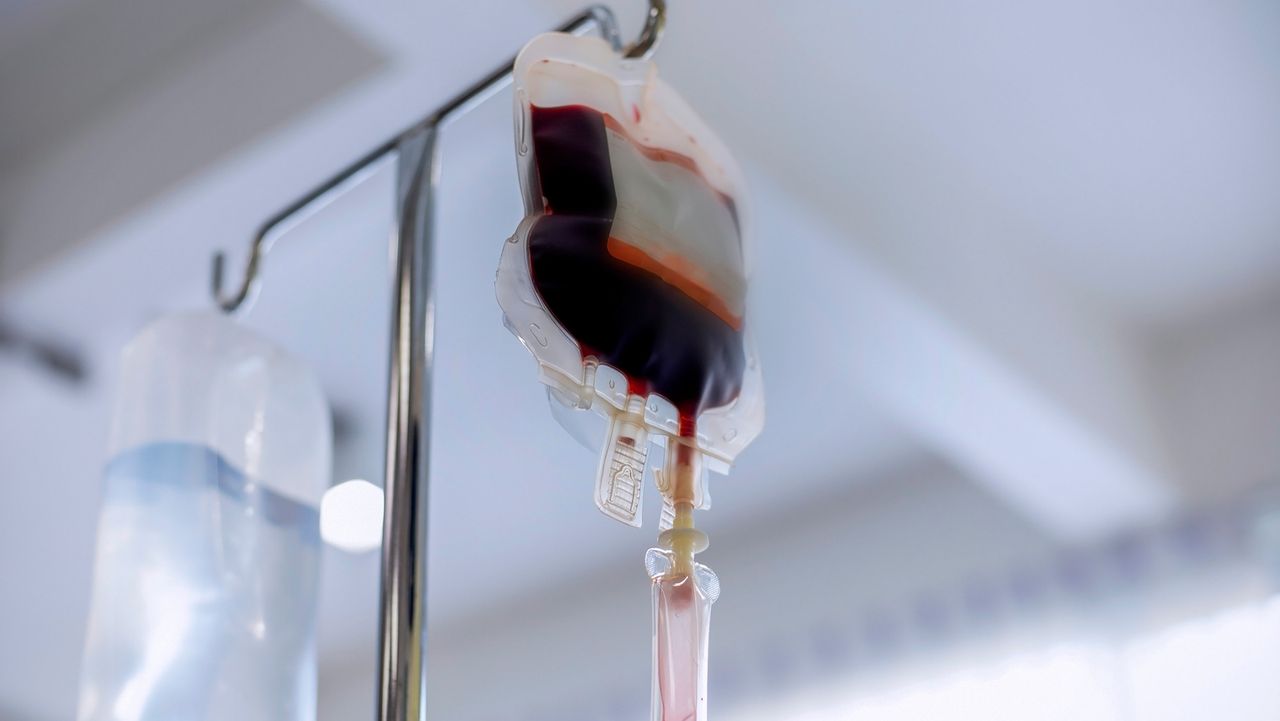
A 6-year-old cancer patient experienced a life-threatening allergic reaction during a blood transfusion, highlighting a rare but serious complication of transfusion therapy. The child developed symptoms consistent with transfusion-related acute lung injury (TRALI) or a severe allergic response, both of which demand immediate medical intervention.
Transfusion reactions occur when a recipient's immune system reacts adversely to donor blood components. In pediatric cancer patients, the risk escalates due to compromised immune systems from chemotherapy and multiple prior transfusions that can sensitize the body to foreign antigens. The most severe forms include acute hemolytic reactions, where the immune system attacks red blood cells, and anaphylactic shock, which can cause cardiovascular collapse within minutes.
The case underscores a diagnostic challenge facing transfusion medicine specialists. Distinguishing between different reaction types requires rapid assessment of vital signs, oxygen saturation, and laboratory markers. TRALI presents with respiratory distress and bilateral lung infiltrates but no cardiac dysfunction. Allergic reactions range from mild urticaria to life-threatening anaphylaxis. Fever and chills may indicate bacterial contamination or febrile nonhemolytic transfusion reactions.
Blood banks implement multiple safeguards to prevent transfusion reactions, including ABO blood typing, antibody screening, and crossmatching. Leukoreduction filters remove white blood cells that trigger some reactions. Despite these precautions, severe reactions still occur in approximately 1 to 2 per 1,000 transfusions, with fatal outcomes in rarer cases.
Management requires stopping the transfusion immediately, securing the airway if needed, administering oxygen and vasopressors for hypotension, and giving antihistamines or corticosteroids. In anaphylaxis, epinephrine administration becomes