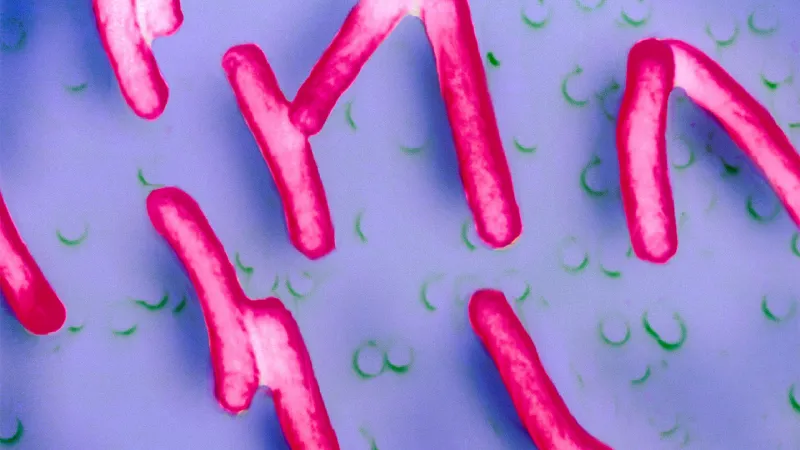
Researchers have demonstrated that an experimental oral vaccine protects against Shigella, a bacterium responsible for approximately 450,000 infections annually in the United States. The vaccine showed promise in a small human trial involving adults.
Shigella infection causes invasive bacterial diarrhea, leading to severe dehydration, bloody stools, and systemic complications. The pathogen spreads rapidly in crowded settings and disproportionately affects children under five in developing nations, making a vaccine particularly valuable for global health.
The oral vaccine formulation presents advantages over injectable alternatives. Participants receiving the experimental vaccine demonstrated immune responses against Shigella strains, though the trial size limits definitive conclusions about efficacy across diverse populations. Researchers measured antibody production and cellular immune markers as indicators of protective immunity.
This work builds on decades of vaccine development efforts against Shigella. Previous candidates failed to advance due to inadequate immunogenicity or safety concerns. The current approach appears to overcome some historical limitations, though researchers acknowledge the need for larger phase 2 and 3 trials to establish real-world effectiveness.
The vaccine targets multiple Shigella serotypes, which represents a significant technical hurdle. Different geographic regions harbor different prevalent strains, so comprehensive protection requires attention to local epidemiology.
No major adverse events emerged during the trial, suggesting the vaccine safety profile warrants continued investigation. However, the small sample size means rare side effects could remain undetected until larger populations receive the vaccine.
A vaccine against Shigella would reduce antibiotic dependence, addressing growing antimicrobial resistance concerns. Resistant strains complicate treatment in both developed and developing nations. An effective preventive tool could spare millions from illness and reduce healthcare costs associated with diarrheal disease management.
The research team plans expanded trials in endemic regions where Shigella burden remains heaviest.