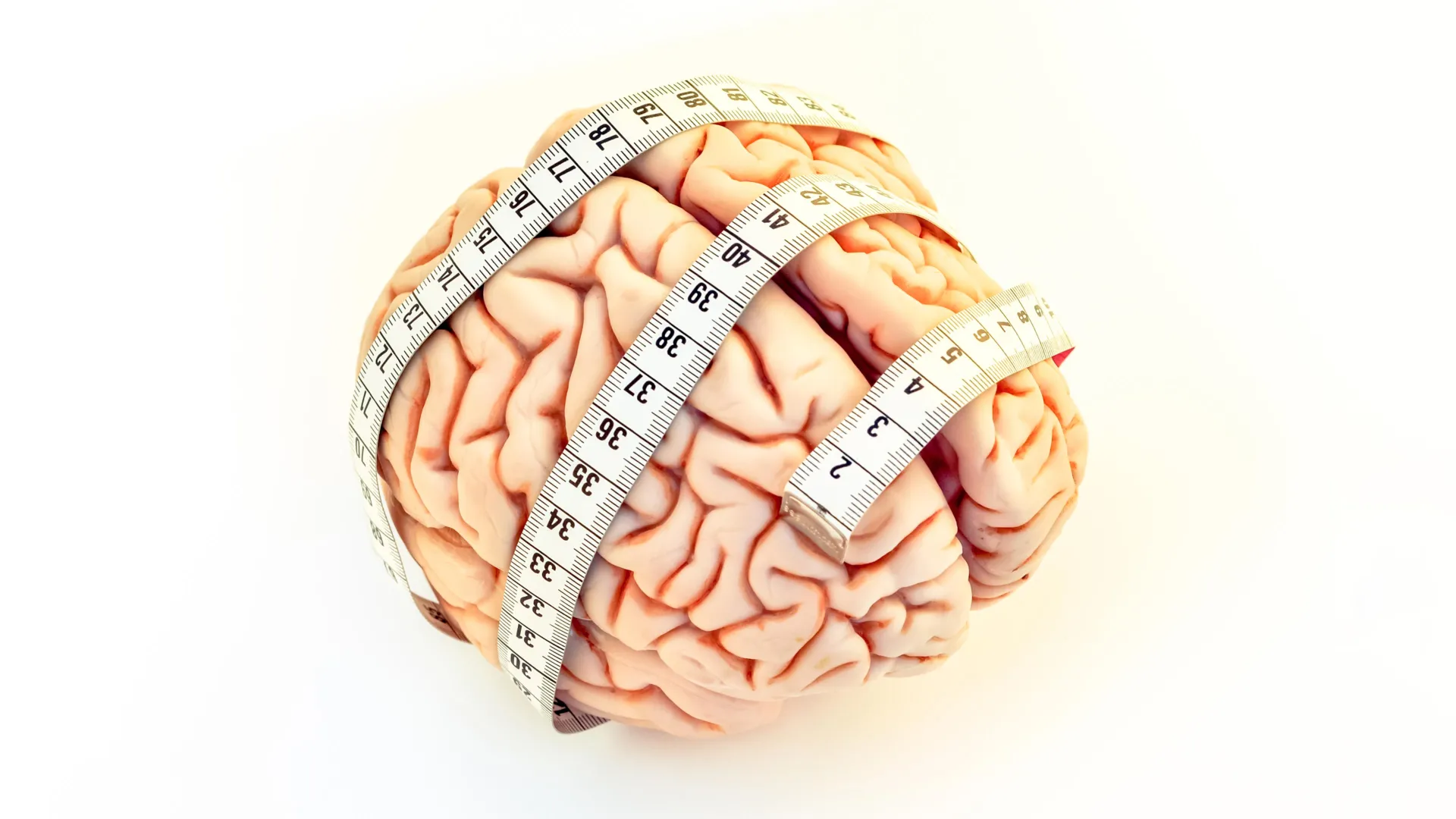
Frequent television watching in middle age correlates with brain shrinkage in later life, according to research tracking roughly 1,700 adults. Scientists observed that heavy TV viewers developed smaller regions in areas governing memory, decision-making, and visual processing. They also detected increased white matter damage, the deterioration of nerve fibers that transmit signals between brain regions.
The finding emerged from long-term follow-up data examining how midlife habits predict brain structure decades later. Researchers determined that sedentary behavior alone does not explain the pattern. Adults who spent comparable hours seated at cognitively demanding jobs showed healthier brain tissue, suggesting the type of mental engagement matters more than sitting time itself.
This distinction points toward passive screen consumption as the likely culprit. Television viewing requires minimal cognitive effort and provides limited sensory variety compared to work demanding problem-solving, attention, and decision-making. The brain's neuroplasticity depends on active use. Regions engaged through challenging tasks maintain their volume and connectivity. Passive leisure activity offers insufficient stimulation to maintain neural health.
The study adds to accumulating evidence linking sedentary television habits to cognitive decline. Previous research has connected heavy viewing to increased dementia risk and poor cardiovascular outcomes. This work identifies a plausible mechanism: structural brain changes that precede clinical symptoms by years or decades.
Limitations warrant consideration. The research used observational data, meaning researchers could not randomly assign participants to watch TV or abstain. Unmeasured factors like diet, sleep quality, or education level might explain both TV habits and brain structure. Additionally, the study measured association, not causation. Brain shrinkage could reflect pre-existing differences rather than TV-induced damage.
The findings suggest midlife represents a critical window for brain health decisions. Substituting active leisure—reading, socializing, pursuing hobbies requiring concentration—for passive television consumption may protect cognitive function into