Researchers have identified two experimental methods to break down PFAS, the synthetic compounds known as "forever chemicals" because they persist in the environment and resist standard water treatment processes.
The first approach employs cavitation, a technique where vapor bubbles collapse violently in liquid, generating temperatures exceeding 5,000 Kelvin and producing reactive molecules that shatter PFAS molecular bonds. This extreme heat and the reactive species formed during collapse create conditions hostile enough to decompose the carbon-fluorine bonds that make these chemicals so durable.
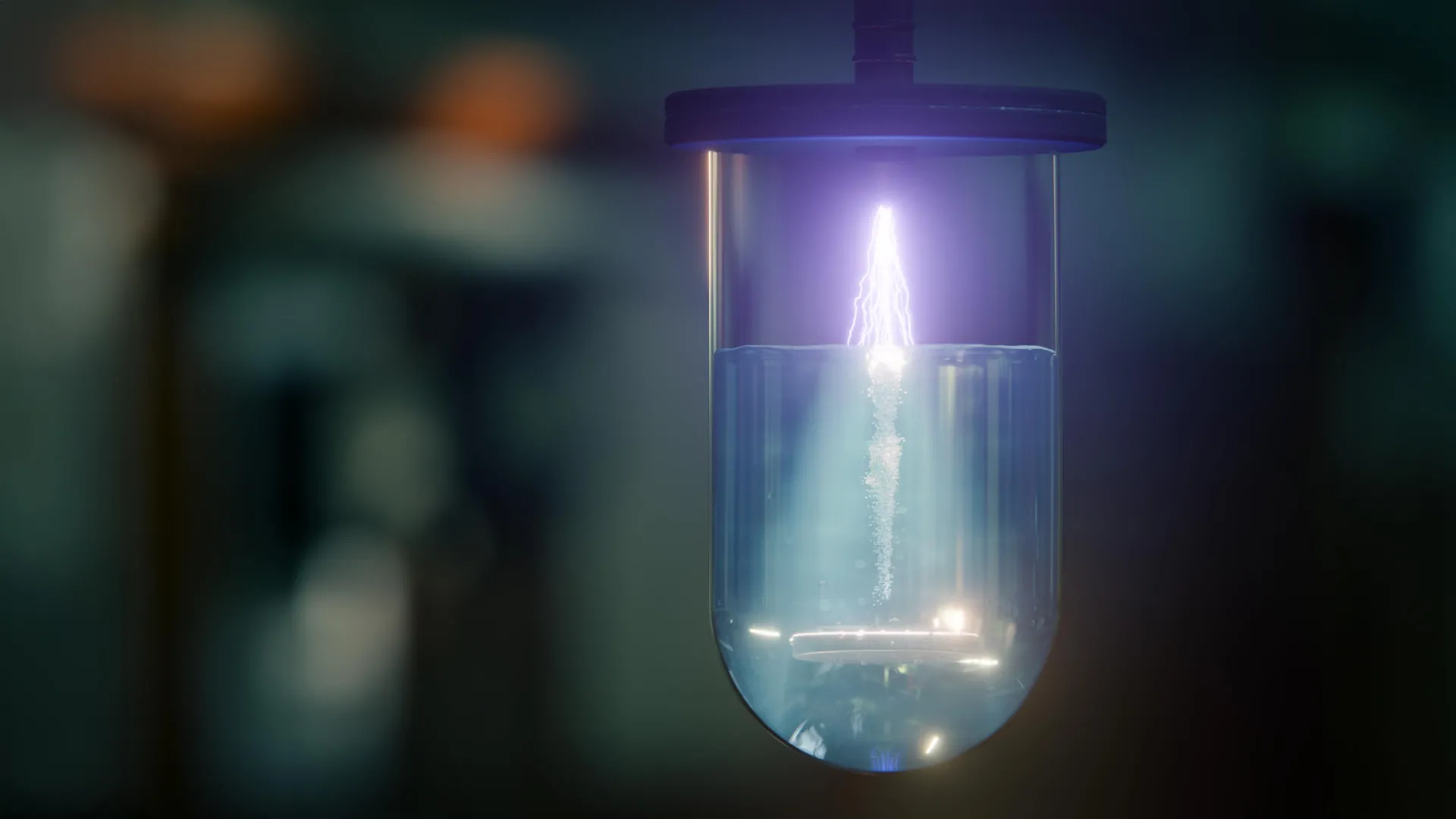
The second method combines cold plasma technology with rising gas bubbles to concentrate PFAS at the water surface, where the plasma breaks apart the chemical structure. This approach operates at lower temperatures than cavitation, potentially offering energy efficiency advantages for large-scale water treatment systems.
Both techniques address a pressing environmental health problem. PFAS chemicals, widely used in non-stick cookware, water-resistant textiles, and firefighting foams, accumulate in drinking water supplies and human tissue. They have been linked to thyroid disease, high cholesterol, and reduced vaccine response. Traditional activated carbon and reverse osmosis systems merely transfer the problem, capturing PFAS without destroying them.
The research builds on growing recognition that environmental remediation requires molecular-level destruction, not containment. Scientists are now evaluating the efficiency, scalability, and cost-effectiveness of both methods for practical water treatment applications.
Neither technology currently operates at full industrial scale, and researchers must still determine whether secondary byproducts form during the breakdown process. The cavitation method requires significant energy input, while the plasma technique needs optimization for real-world contamination levels. Water utilities are monitoring this research closely as PFAS contamination affects communities across North America and Europe.