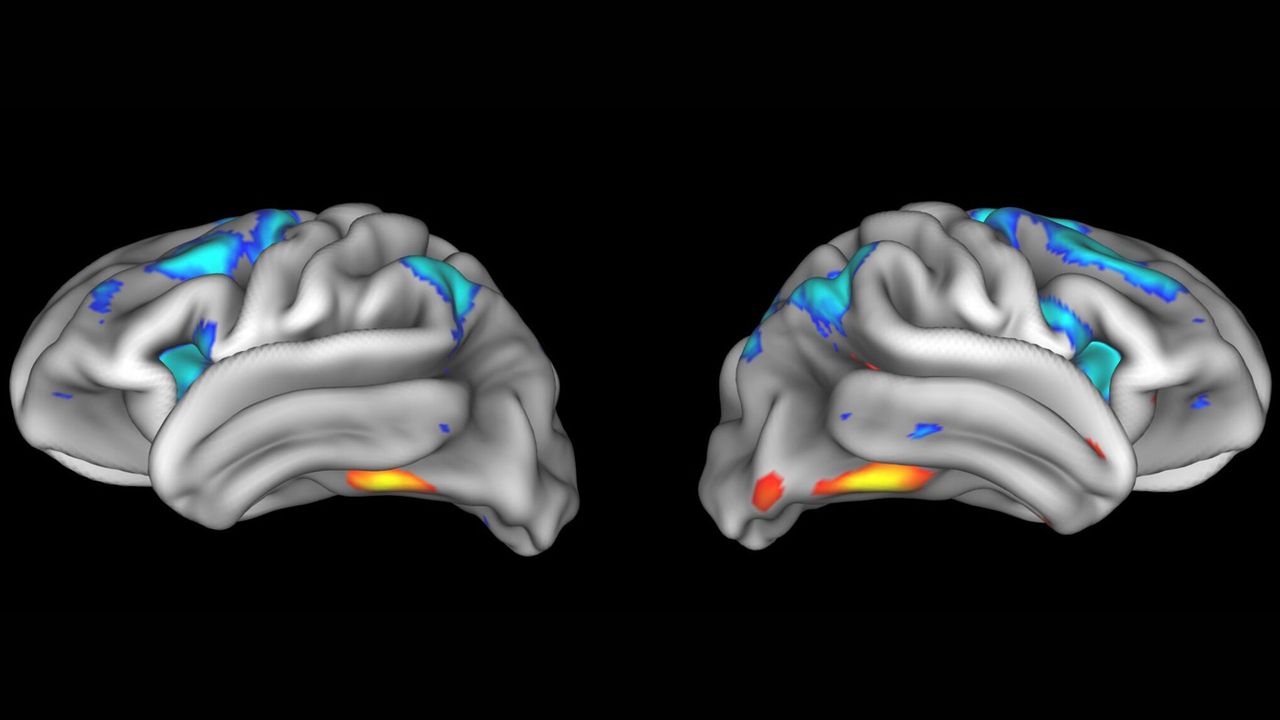
Landmark brain imaging studies are failing replication tests, undermining confidence in established neuroscience findings and raising questions about the reliability of current research practices.
Researchers conducting follow-up investigations discovered that results from several foundational brain imaging studies could not be reproduced. This replication crisis affects core knowledge about how the brain functions, as many clinical and therapeutic approaches rest on these studies' conclusions.
The problem stems from multiple sources. Brain imaging research often involves small sample sizes, which reduces statistical power and increases the likelihood of false positives. Publication bias favors positive results, meaning negative or null findings rarely appear in journals. Many studies lack pre-registration protocols that specify hypotheses and analysis methods before data collection begins, allowing researchers to adjust their approaches based on results rather than testing predictions.
Brain imaging techniques such as fMRI produce massive datasets with thousands of data points. Analyzing these datasets requires choices about how to process information, when to apply statistical corrections, and which regions of interest to examine. Different researchers make different choices, leading to variable conclusions from identical datasets. This flexibility in analysis, sometimes called "researcher degrees of freedom," enables unintentional p-hacking where repeated testing eventually produces statistically significant results by chance alone.
The implications extend beyond academic credibility. Clinical interventions targeting specific brain regions rely on imaging studies identifying those regions' functions. If the underlying research lacks robustness, treatments based on faulty premises may prove ineffective or harmful. Pharmaceutical companies invest millions developing drugs targeting brain systems identified through unreliable imaging studies, wasting resources and delaying genuine therapeutic advances.
Recent meta-analyses examining large samples of published brain imaging studies reveal that effect sizes shrink substantially during replication attempts. Some effects vanish entirely. This pattern indicates that published findings overestimate the true relationship between brain activity patterns and behavior or cognition.
Addressing this crisis requires systemic changes. Pre-registration of studies before data