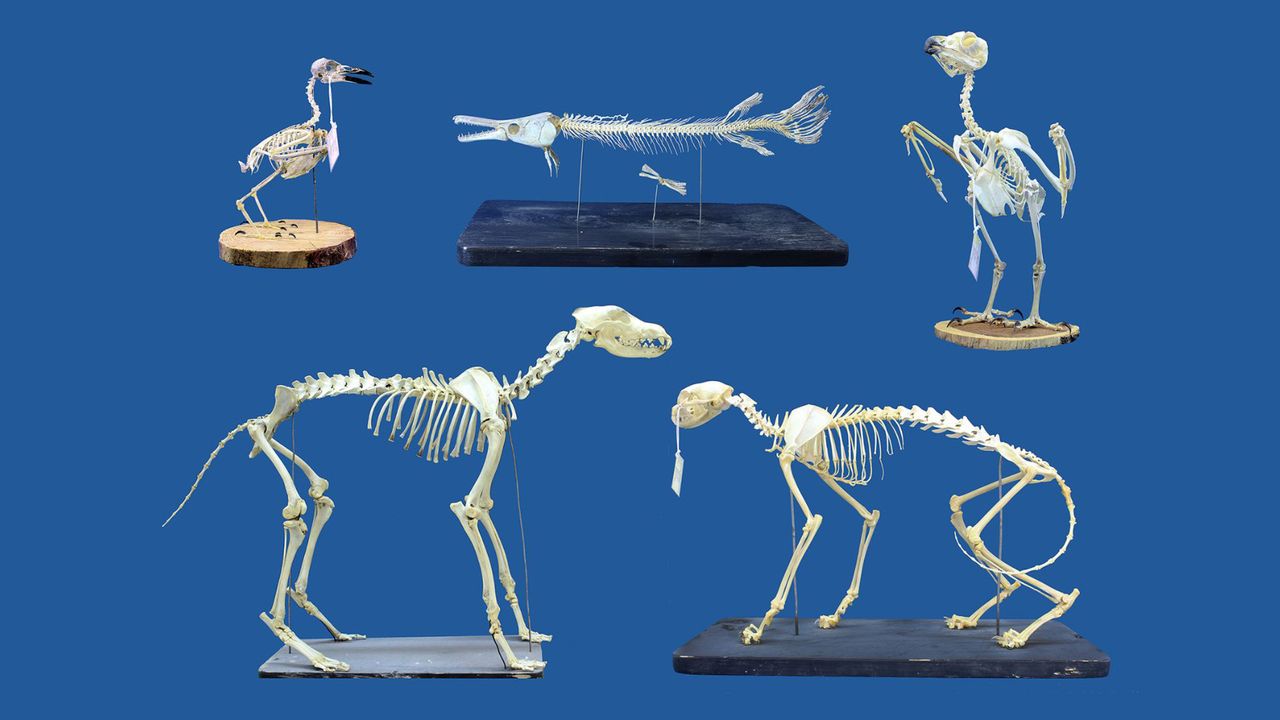
Biologists Niloofar Alaei Kakhki and Morteza Monfared have discovered that beetle larvae commonly used as pet food can rapidly clean delicate skeletal specimens without damaging them, offering museums and laboratories a powerful new preservation tool.
The researchers found that "superworms," the larvae of the darkling beetle, consume soft tissue from bone with remarkable precision and speed. Alaei Kakhki and Monfared expressed genuine surprise at the larvae's effectiveness, according to reporting from Live Science. Traditional skeletal cleaning methods often involve harsh chemicals or manual removal that risks scratching or breaking fragile bones. The superworms accomplish the task while leaving bone surfaces intact.
Museums have long relied on maceration, dermestid beetles, and chemical treatments to prepare specimens for display and research. These approaches require weeks or months and can damage specimens if handled improperly. The superworms compress this timeline dramatically while maintaining skeletal integrity.
The larvae work by consuming flesh tissue between bone joints and cavities, stripping away material that would otherwise require labor-intensive cleaning. Their feeding behavior targets soft tissue selectively, leaving bone untouched. This precision makes them particularly valuable for extremely delicate specimens where conventional cleaning poses contamination or structural risks.
The research opens avenues for repurposing superworms beyond their current role in reptile and amphibian diets. Pet food suppliers already breed these larvae at scale, making them readily available and cost-effective for institutional use. Museums could integrate larvae into their conservation workflows without establishing new breeding programs.
The findings address a persistent challenge in specimen curation. Large natural history museums house millions of specimens requiring periodic cleaning and preparation. Vertebrate collections, particularly those containing complete or nearly complete skeletons, demand especially careful handling. The superworms offer an efficient alternative that reduces labor hours while improving outcomes.
Further research will