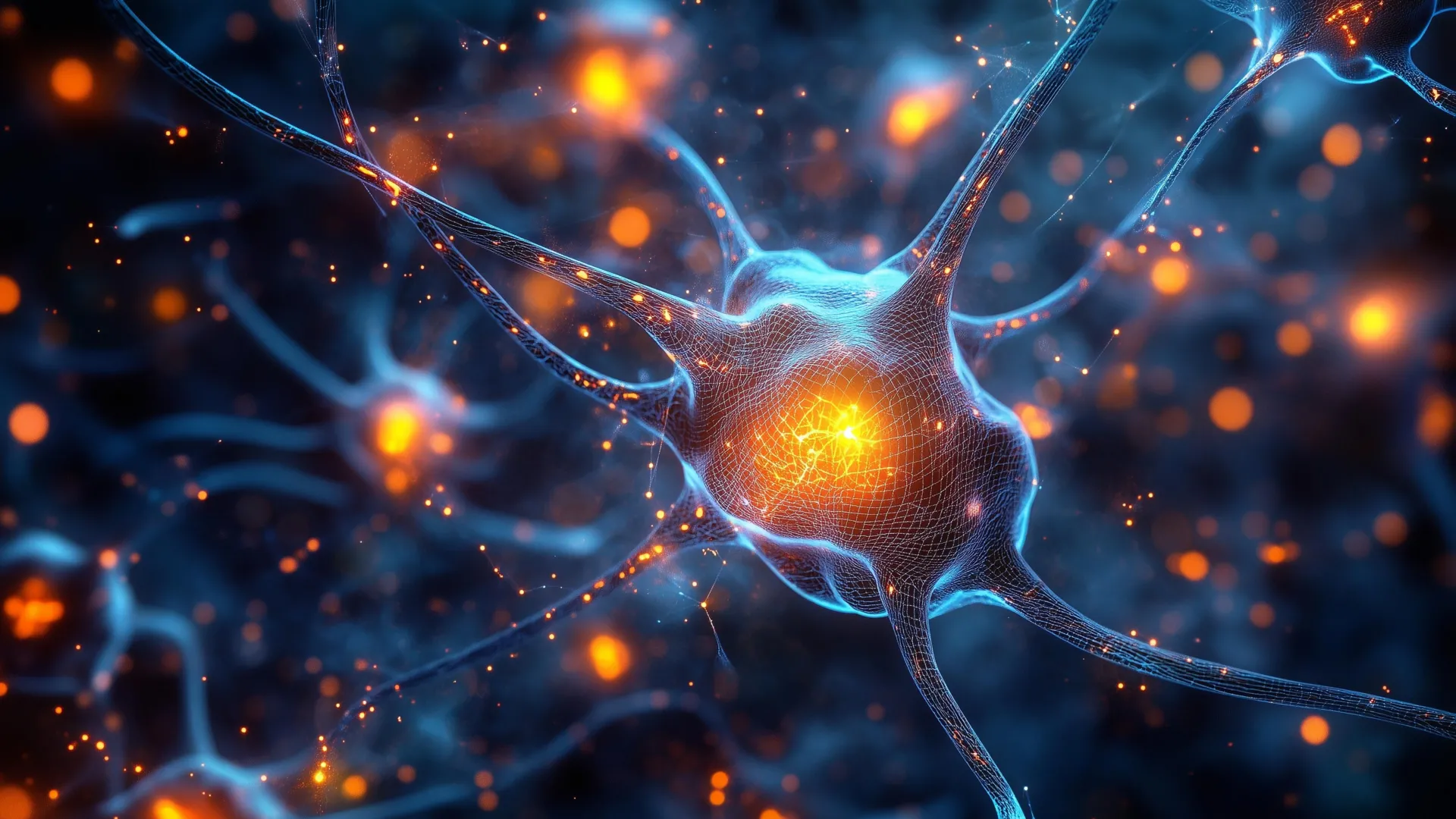
A microscopic skeleton inside neurons functions as a gatekeeper controlling nutrient and protein absorption, researchers have discovered. When this structure weakens, brain cells rapidly accumulate harmful proteins linked to Alzheimer's disease, opening a new avenue for prevention strategies.
The finding emerges from recent neuroscience research examining the cytoskeleton, the protein scaffolding that organizes cell interiors. Scientists identified that this structural network does far more than provide mechanical support. It actively regulates what substances enter neurons and when they cross the cell membrane.
The research reveals a direct connection between cytoskeletal integrity and Alzheimer's pathology. When the gatekeeper function deteriorates, neurons become permeable to amyloid-beta and tau proteins, the toxic molecules that accumulate in Alzheimer's brains and trigger neurodegeneration. The rapid uptake occurs because neurons lose their ability to selectively filter incoming materials.
This mechanism offers researchers a different target for Alzheimer's prevention than existing approaches. Rather than focusing solely on preventing protein misfolding or clearing toxic aggregates, stabilizing the cytoskeletal gatekeeper could prevent harmful proteins from entering cells in the first place. Such a preventative approach might prove more effective than treating disease after cellular damage occurs.
The discovery has limitations. The research likely relied on cell culture models or animal studies, which do not perfectly replicate the complexity of human brains. The specific molecular mechanisms controlling the gatekeeper function require further investigation before therapeutic applications can advance. Researchers must also determine whether strengthening this structure remains effective once Alzheimer's pathology begins.
Despite these caveats, the finding reshapes understanding of how neurons protect themselves and how that protection fails in neurodegeneration. Pharmaceutical companies and academic labs will likely pursue compounds that reinforce cytoskeletal organization as potential Alzheimer's treatments. Clinical trials testing this approach remain years away.