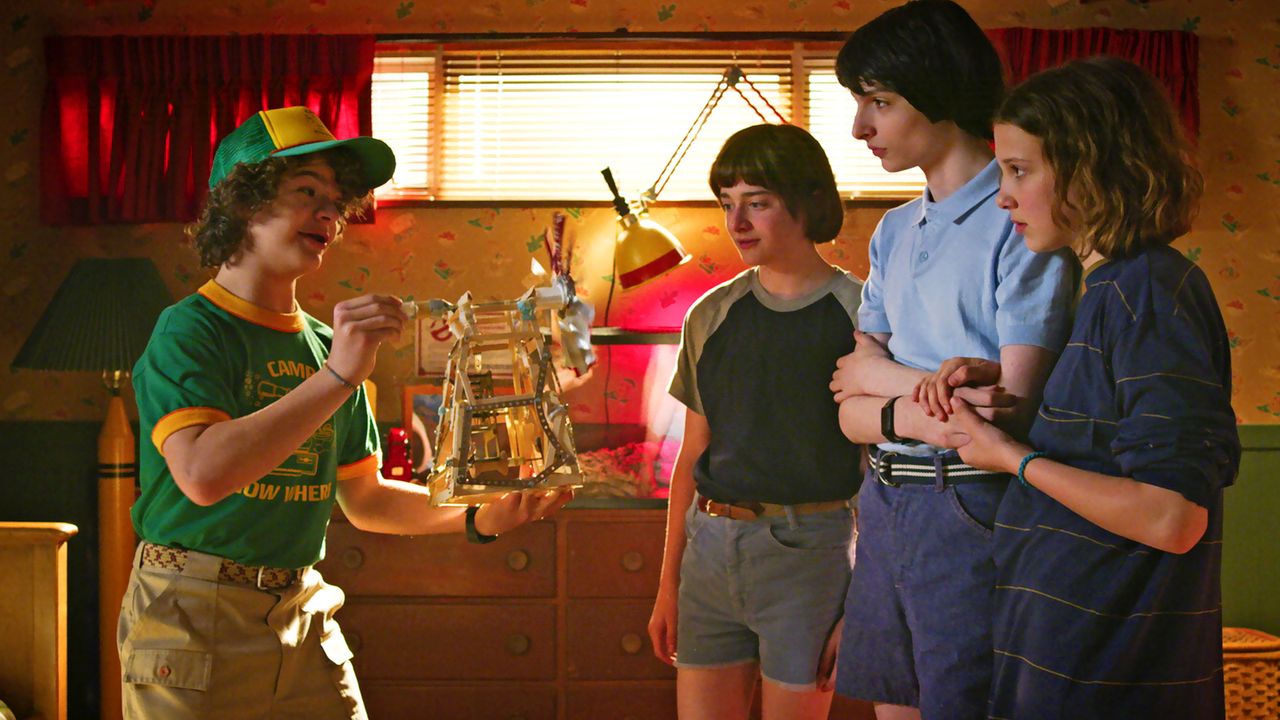
Netflix's "Stranger Things" has become a cultural phenomenon that reshaped how streaming platforms operate while unexpectedly revitalizing interest in science among younger viewers. The series, which premiered a decade ago, achieved what few entertainment properties accomplish: making scientific curiosity genuinely appealing to Gen Z and younger millennials.
The show's narrative framework deliberately integrates real scientific concepts alongside fictional elements. Plot devices involving the Upside Down dimension, sensory deprivation tanks, and interdimensional portals drew millions of viewers into discussions about quantum physics, psychology, and neuroscience. Online forums and social media communities formed around these concepts, with fans actively researching the underlying science to understand plot mechanics.
Educational researchers have noted measurable shifts in STEM interest following "Stranger Things" seasons. Google Trends data showed spikes in searches for topics like "Hawkins Lab," "sensory deprivation," and "demogorgon biology" coinciding with episode releases. Young people began wearing science-themed apparel inspired by the show's characters, particularly Eleven's connection to experimental psychology.
The series featured consulting scientists throughout its production, ensuring narrative plausibility. This attention to scientific detail legitimized the show's portrayal of research and laboratory work, contrasting sharply with typical Hollywood representations that trivialize scientific practice. Characters like Joyce Byers demonstrated that adults without scientific backgrounds could engage meaningfully with complex ideas.
"Stranger Things" also capitalized on 1980s nostalgia, a period when science fiction dominated youth culture. By anchoring its narrative in that era while addressing contemporary production values, the show bridged generational interest in science. Younger viewers encountered classic scientific references through a modern lens.
The show's broader impact on streaming established a template for high-quality, serialized storytelling that attracted both mainstream and niche audiences. Netflix's investment in "Stranger Things" demonstrated