Researchers have identified the probable source of the 1789 smallpox epidemic that decimated Indigenous Australian populations. A modeling study points to a British vial containing dried smallpox scabs as the origin of the outbreak that killed thousands.
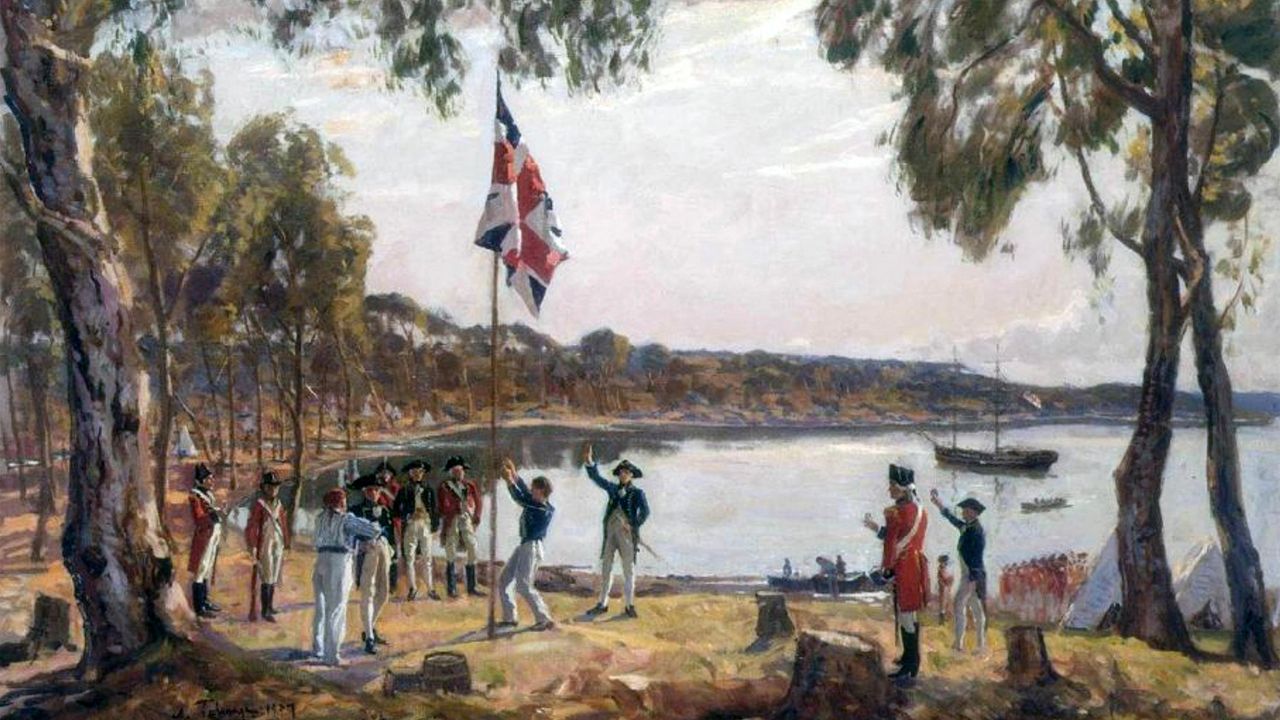
The 1789 epidemic struck just one year after the First Fleet arrived at Port Jackson, killing an estimated 50 percent of the Indigenous population along the Australian coast. Historians and epidemiologists have long debated whether the disease arrived accidentally through contact with British settlers or emerged from another source entirely.
The new study employed computational modeling to trace the outbreak's trajectory and timing. Researchers analyzed the epidemic's spread pattern across Indigenous communities and compared it against documented historical events. Their analysis suggests that a specific vial of infectious material brought by British colonists most likely triggered the initial transmission. British ships of the era routinely carried such specimens for medical and scientific purposes.
The research team examined contemporary accounts, shipping records, and epidemiological data to narrow down the outbreak's origins. Their modeling framework allowed them to test competing hypotheses about how smallpox first reached Aboriginal populations who had no prior exposure to the disease and therefore no acquired immunity.
The vial theory resolves a longstanding historical mystery that had yielded multiple competing explanations. Some scholars had proposed natural transmission through trade networks or independent introduction from other European vessels. The modeling evidence supports the accidental exposure scenario involving British colonists as the most plausible pathway.
This finding carries implications for understanding how European colonization introduced novel pathogens to isolated populations. The 1789 smallpox epidemic represents one of history's most catastrophic epidemiological events, with death tolls that fundamentally altered Indigenous demographics and society.
The study adds crucial epidemiological data to historical debates about early colonial Australia. It demonstrates how modern computational methods can resolve historical questions about disease transmission, revealing the specific mechanisms by which European contact devastated Indigenous