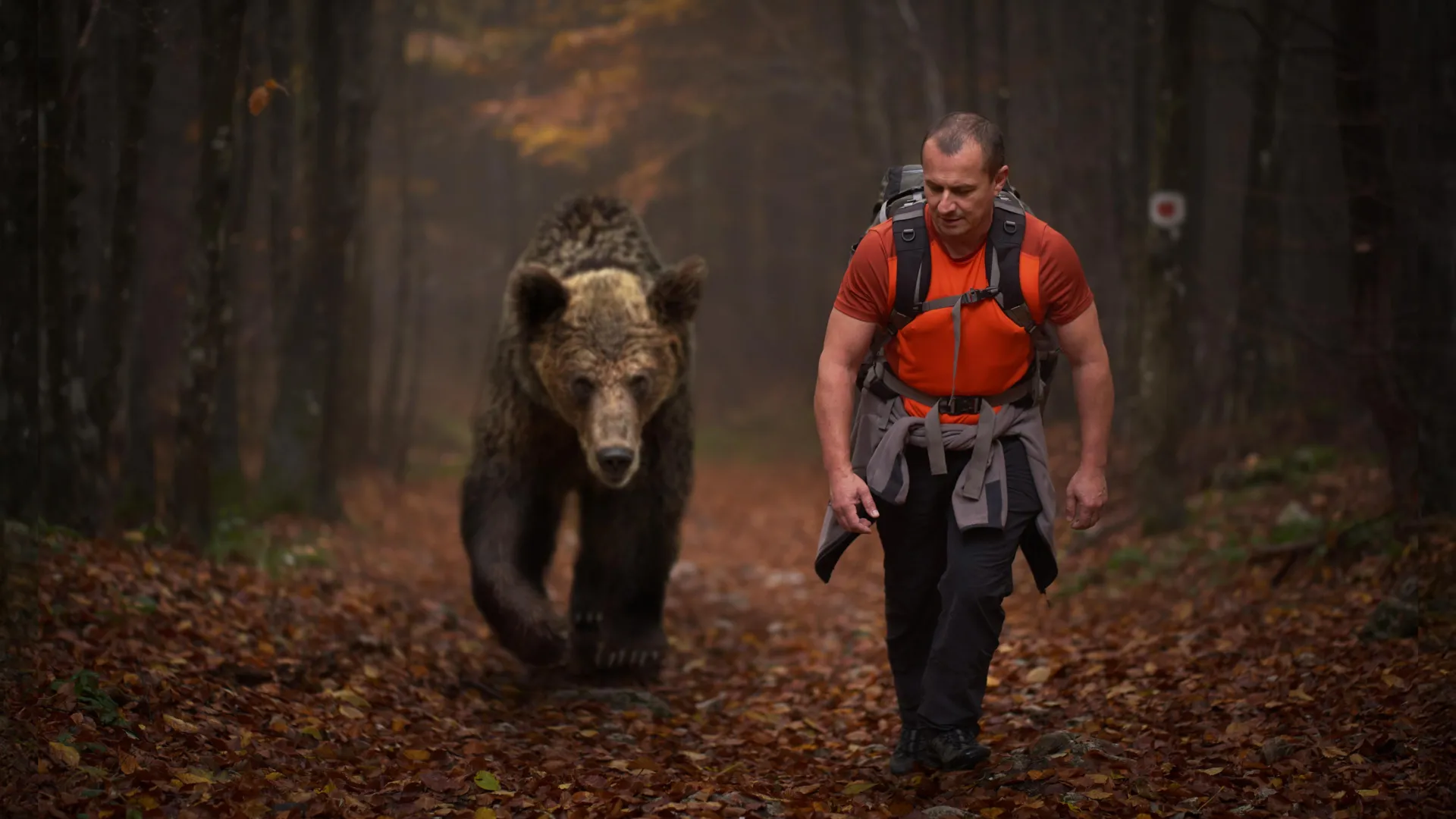
Humans may dominate ecosystems through hunting and fishing, but wild animals distinguish between lethal and non-lethal human threats with striking precision. A new analysis spanning three decades of research reveals that animals do not treat all people as equally dangerous super-predators.
Scientists examined behavioral responses across multiple species and found a clear pattern. Animals become substantially more vigilant and reduce feeding time when encountering hunters or fishers, the humans who actually kill them. This heightened wariness reflects genuine predation risk. The same species show weaker and more unpredictable reactions to tourists, researchers, and other non-lethal human presence.
The distinction matters for understanding how wildlife adapts to human-dominated landscapes. Animals learn to discriminate between genuine threats and benign encounters. A deer may flee from someone carrying a rifle but tolerate a photographer at greater distances. Fish in heavily touristed areas display different avoidance patterns than those near fishing zones.
This research challenges the simple framing of humans as undifferentiated super-predators. Rather than responding to humanity as a monolithic threat, animals calibrate their behavior based on actual lethal risk. Over time and across generations, species accumulate evidence about which humans kill and which do not, adjusting their responses accordingly.
The findings carry implications for wildlife management and conservation. Protected areas that restrict hunting but allow tourism may inadvertently select for animals less cautious around humans generally, potentially increasing vulnerability when threats change. Understanding these nuanced responses helps ecologists predict how conservation policies affect animal behavior across different human interaction types.
The analysis underscores that predator-prey dynamics in human-influenced ecosystems operate more subtly than simple fear-based models suggest. Animals are responding strategically to actual costs and benefits, not reacting blindly to human presence.