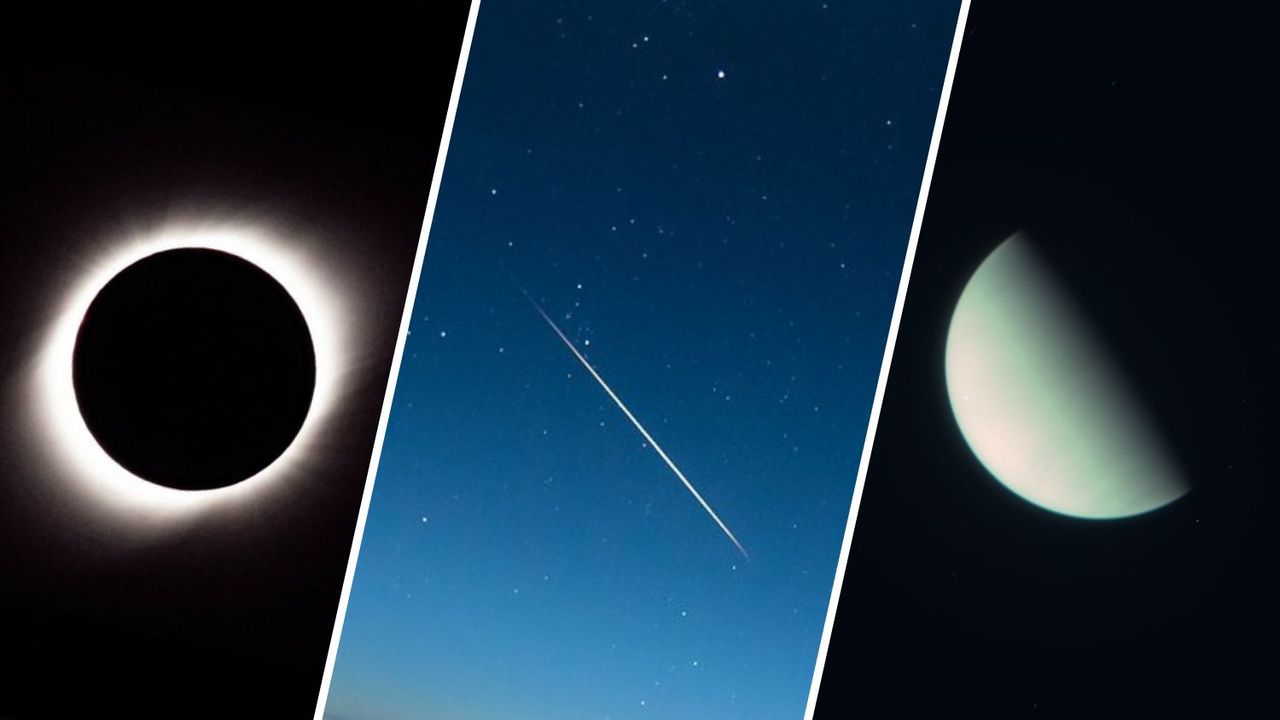
A total solar eclipse will cross North America and Europe on August 12, 2026, offering skywatchers across Spain, Iceland, the United Kingdom, and parts of North America an opportunity to observe one of astronomy's most dramatic events.
The eclipse path will vary significantly by location. In Spain, observers will experience a partial eclipse with the moon blocking a portion of the sun. Iceland sits near the edge of the eclipse path and will see a deeper partial eclipse. The United Kingdom will receive a partial eclipse as well, though the exact coverage depends on specific location within the country.
North American observers in certain regions will witness the most dramatic view. The path of totality will traverse portions of the continent, allowing observers directly in that narrow corridor to see the moon completely block the sun's disk. During totality, the sun's corona becomes visible, and daytime briefly turns to twilight. This totality phase lasts only minutes, making precise timing and location critical for optimal viewing.
Exact timing varies by geographic location. Observers should check local astronomical resources or dedicated eclipse websites for their specific coordinates to determine the eclipse start, maximum, and end times in their area. Even a few miles of displacement can affect viewing experience, particularly for those trying to catch totality.
Safe eclipse viewing requires proper eye protection. Standard sunglasses offer insufficient protection. ISO 12312-2 certified eclipse glasses or solar filters on telescopes and binoculars are necessary to prevent permanent eye damage.
August 12, 2026 represents a major skywatching event because total solar eclipses remain rare from any given location on Earth. The specific path crossing populated regions of Europe and North America makes this eclipse accessible to millions of people without extensive travel. Many eclipse enthusiasts plan years in advance, booking accommodations and organizing viewing parties in optimal locations.
Clouds pose the primary challenge to eclipse observation. Observers in historically clear-weather