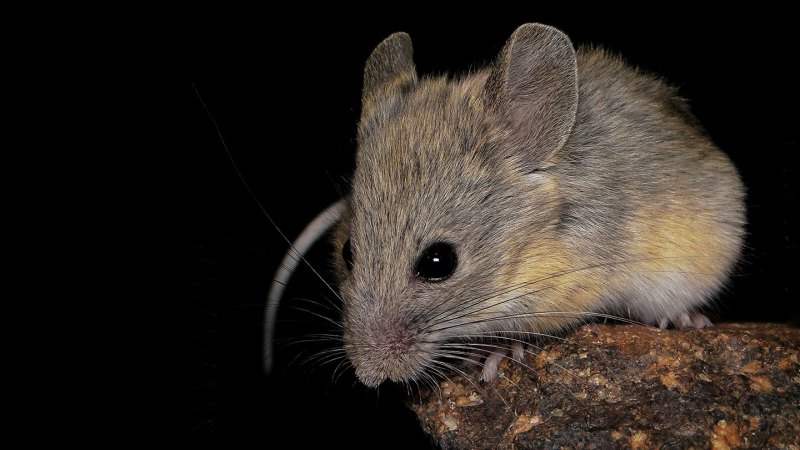
Andean leaf-eared mice survive at elevations above 4,000 meters by ramping up heat production and absorbing oxygen more efficiently than lowland species. Researchers studying these high-altitude rodents found physiological adaptations that allow them to function in thin air where oxygen availability drops sharply.
The mice generate extra metabolic heat through a process involving brown adipose tissue, specialized fat that burns fuel to produce warmth rather than store energy. This mechanism helps them maintain body temperature in the cold mountain environment. Simultaneously, their respiratory systems extract oxygen more effectively from the thin air, compensating for lower atmospheric oxygen levels that would incapacitate lowland animals.
Scientists compared Andean leaf-eared mice with related lowland species to isolate which traits enable high-altitude survival. The team measured metabolic rates, oxygen consumption, and cellular respiration patterns in both populations. Results showed the mountain mice consistently outperformed their lowland relatives in oxygen utilization efficiency and heat generation capacity.
These findings build on decades of altitude research showing how mammals adapt to extreme environments. Previous work established that high-altitude humans develop enhanced oxygen-carrying capacity through increased red blood cells, while Tibetan populations carry genetic variants that improve oxygen processing. Mountain goats and yaks show similar respiratory enhancements.
The leaf-eared mice research adds detail to our understanding of how small mammals manage extreme elevations. Their brown fat thermogenesis and improved oxygen extraction represent elegant evolutionary solutions to dual challenges: staying warm and staying oxygenated. The study appears relevant for understanding mammalian physiology under stress and potentially informing research on metabolic disorders in humans.
Researchers did not disclose institution affiliations or publication journal in the available excerpt, limiting verification of specific methodologies and peer review status. The findings remain significant for comparative physiology, showing how natural selection shapes survival mechanisms across altitude gradients in the