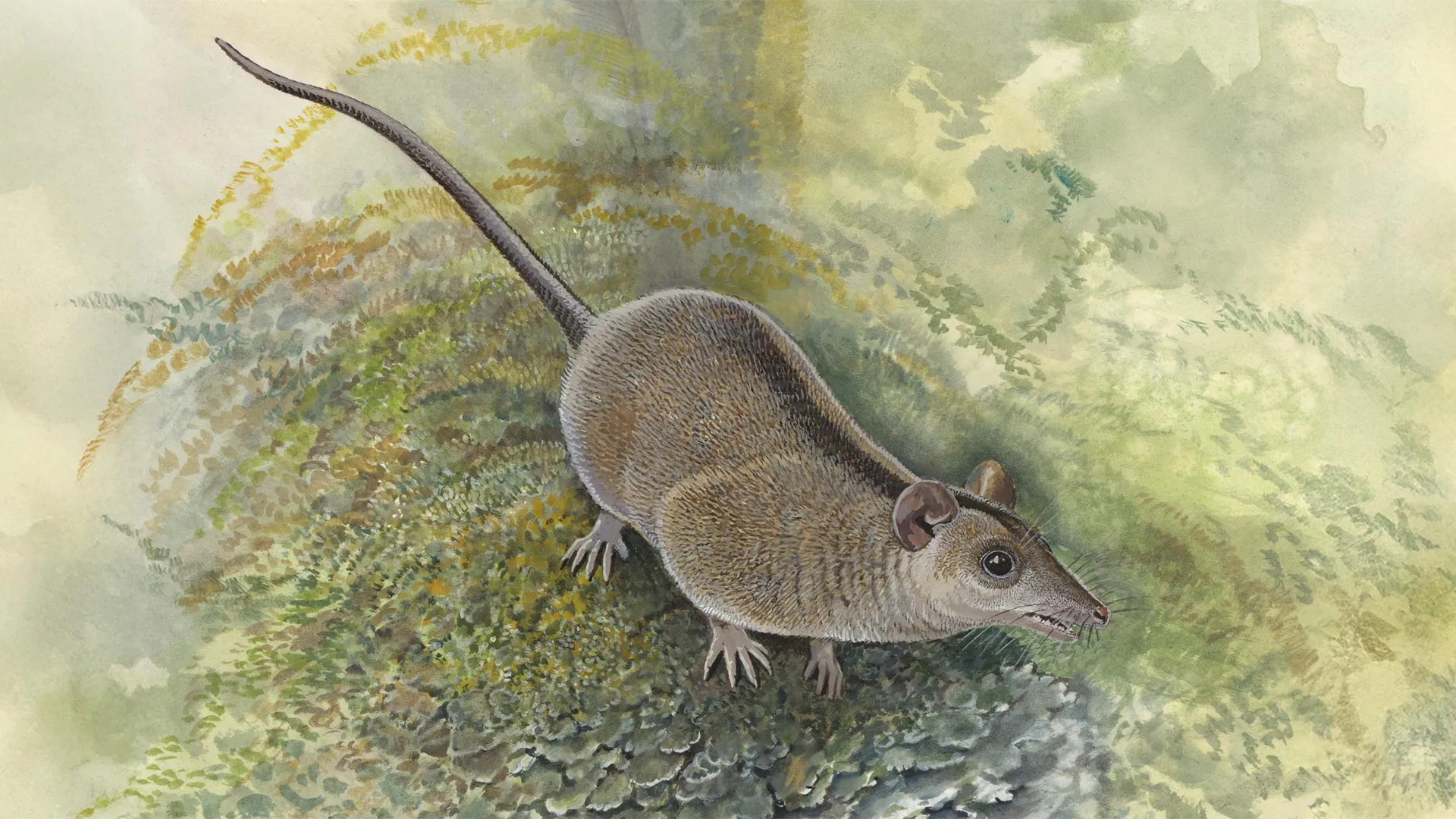
Paleontologists working in Queensland have identified fossils representing a previously unknown branch of Australian marsupials that persisted for approximately 35 million years, fundamentally altering scientists' understanding of marsupial evolution on the continent.
The discovery reveals that Australia's marsupials descended from a more complex evolutionary tree than previously believed. Rather than evolving from a single ancestral lineage, the fossil evidence points to multiple distinct lineages that diverged and evolved separately across the Australian landscape.
The newly recognized marsupial order emerged from fossil analysis conducted in Queensland, a region rich in ancient mammal remains. Researchers identified skeletal features and dental characteristics that distinguished these specimens from previously known marsupial groups. The 35-million-year survival span of this lineage suggests these animals occupied specific ecological niches and successfully competed with other marsupials for resources across a substantial time period.
This finding expands the known diversity of Australia's prehistoric marsupials and demonstrates that the continent's current fauna represents only a fraction of the marsupial groups that once thrived there. Many lineages went extinct following climate shifts, competition, and environmental changes that reshaped Australian ecosystems over millions of years.
The discovery carries broader implications for understanding how isolated continents develop unique biological communities. After Australia separated from other continents roughly 45 million years ago, marsupials underwent extensive adaptive radiation, producing an array of species suited to various habitats. The newly identified branch highlights how this diversification process was more intricate than earlier fossil records suggested.
Researchers will continue examining Queensland's fossil deposits to determine whether additional unknown marsupial lineages existed. Each discovery strengthens the scientific understanding of how Australia's distinctive mammal fauna assembled over deep time. The findings underscore how incomplete fossil records can obscure the true complexity of evolutionary history, and how new discoveries in well-studied regions can still overturn established narratives about life's past