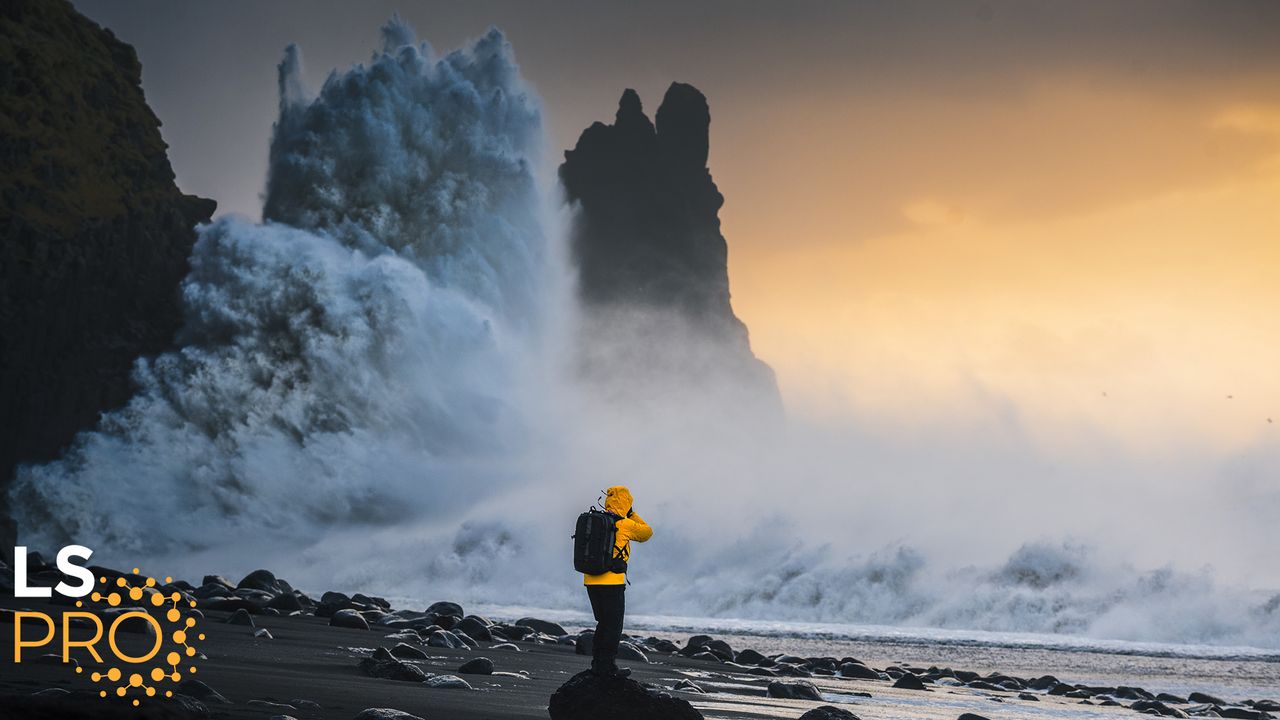
Sönke Dangendorf, a sea level researcher, warns that extreme flooding events once expected every century now occur within decades due to human-caused sea level rise. Speaking with Live Science, Dangendorf explained how accelerating ocean levels transform rare disasters into routine hazards that disrupt daily life without warning.
Human activities, particularly greenhouse gas emissions, drive warming that expands ocean water and melts ice sheets and glaciers. This combination raises baseline sea levels globally. Dangendorf's research demonstrates that even modest increases in average sea level amplify the frequency and severity of extreme tidal flooding, sometimes called "nuisance flooding" or "sunny day flooding."
The mechanism works through simple mathematics. Coastal communities experience regular tidal cycles, storm surge events, and occasional extreme water levels. When baseline sea level rises by just a few inches, the threshold for extreme flooding drops accordingly. An event that occurred once per century under historical conditions now happens roughly every decade. A meter-long rise in sea level could compress a 100-year flood event into a 1-year event.
This transformation affects infrastructure, property values, and public health. Roads flood during high tides, disrupting commutes and commerce. Saltwater intrusion damages freshwater aquifers and agricultural land. Repeated exposure forces communities to invest in expensive adaptation measures like seawalls, elevated buildings, and improved drainage systems.
Dangendorf's work underscores the nonlinear nature of climate impacts. Small changes in average conditions produce outsized changes in extreme events. The consequences are not distant or theoretical. People already experience these shifts in cities including Miami, Norfolk, and many other coastal centers worldwide.
Current projections suggest sea levels will rise 1 to 4 feet by 2100 depending on emissions scenarios. This timeline means younger generations will face substantially more frequent coastal flooding than their predecessors experienced. The question for