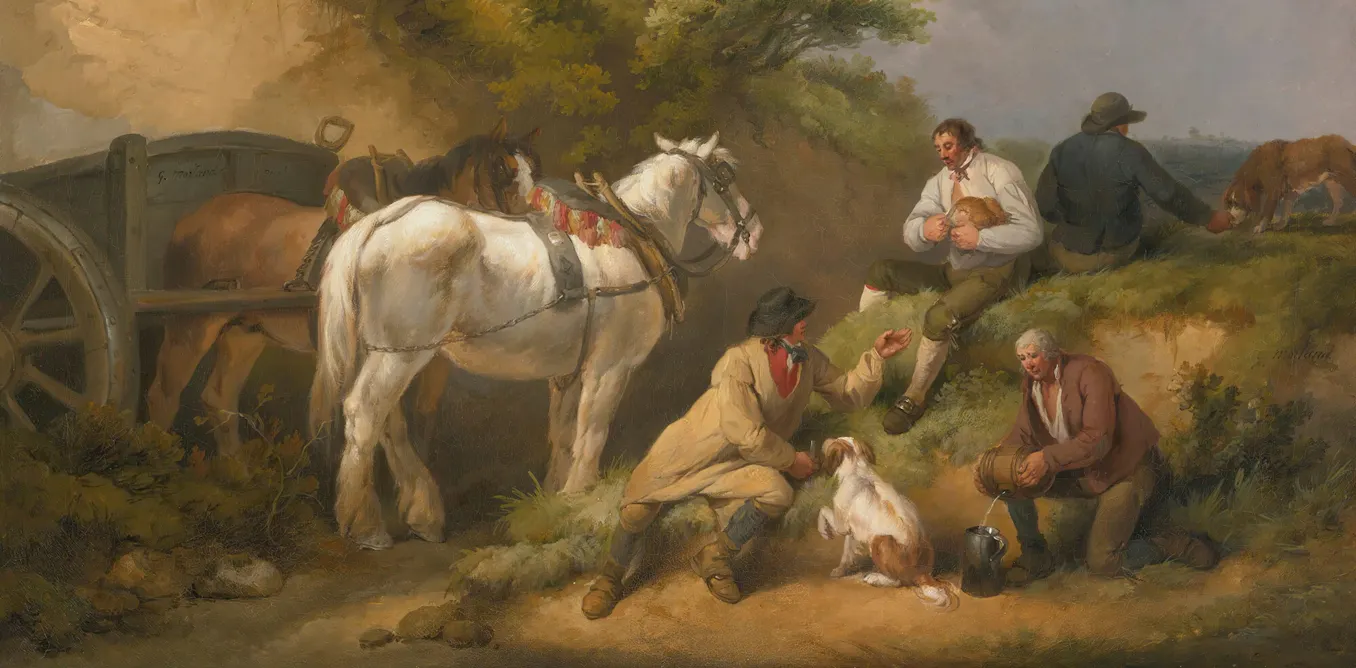
Workers on 18th-century farms described the same mental and physical exhaustion now called burnout, according to research examining historical agricultural records from over 200 years ago. The findings show that occupational stress and worker fatigue are not modern phenomena tied to digital technology or corporate culture, but have deep historical roots in labor itself.
Researchers analyzing farm diaries and employment records from the 1700s found explicit descriptions of what contemporary society labels as burnout. Workers documented feelings of exhaustion, inability to concentrate, and emotional depletion in language that mirrors modern burnout symptoms. Farmhands and laborers wrote of being worn down by relentless work, loss of motivation, and the physical toll of long hours without adequate rest.
The research challenges the notion that burnout is a 21st-century invention created by email overload and always-on work culture. Instead, the evidence suggests burnout reflects a persistent human response to unsustainable labor demands across different eras and industries. Agricultural workers faced seasonal intensity, physical demands, and limited autonomy that created chronic stress conditions similar to those experienced by modern office workers.
This historical perspective offers important context for current discussions about worker wellbeing. If burnout emerged consistently among 18th-century laborers, the underlying causes likely stem from fundamental workplace dynamics rather than technology alone. Long hours, lack of control over work pace, inadequate recovery time, and unclear career advancement created stress then just as they do now.
The study suggests interventions targeting burnout should focus on structural workplace conditions rather than assuming the problem originated with modern employment practices. Farm owners in the 1700s faced the same tension between productivity demands and worker sustainability that contemporary managers navigate today. Understanding this historical continuity may help organizations develop more effective strategies for protecting employee health across all work environments and time periods.