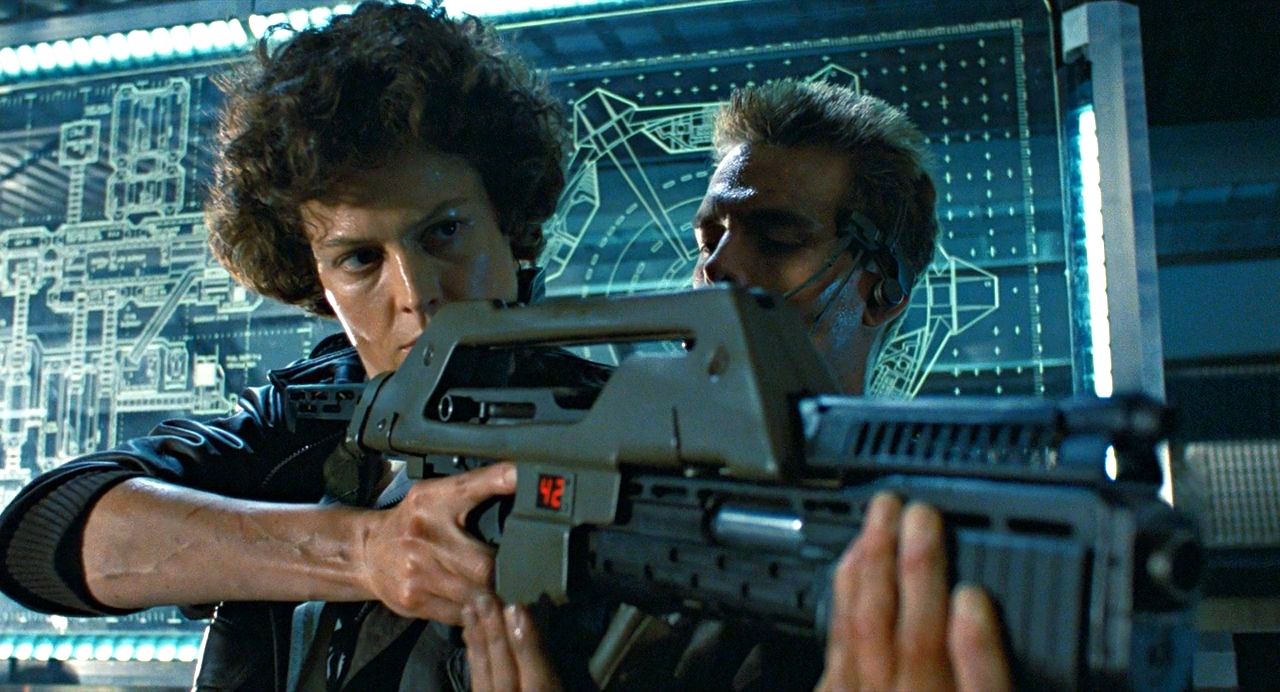
James Cameron directed "Aliens" into cinema history four decades ago, but the film nearly never reached theaters after the director quit the production twice due to studio interference.
The sequel to Ridley Scott's 1979 "Alien" premiered in 1986 and became a defining entry in science fiction cinema. Cameron transformed the franchise from pure horror into action-driven spectacle while maintaining atmospheric dread. The film introduced iconic elements including the power loader exoskeleton, the character of Corporal Dwayne Hicks, and Sigourney Weaver's expanded role as Ellen Ripley.
Studio friction created the conditions for Cameron's departures. Fox executives repeatedly clashed with the director over creative decisions and production management. The studio's reluctance to fully fund Cameron's vision and their attempts to control the filmmaking process prompted him to walk away from the project. Each time, negotiations and adjustments brought him back, though the conflicts left scars on the production process.
Despite these obstacles, "Aliens" became a commercial and critical success upon release. The film earned over $180 million worldwide and secured four Academy Award nominations, including Best Supporting Actress for Weaver. Audiences responded to Cameron's blend of practical effects, claustrophobic tension, and large-scale action sequences.
The production challenges remain a footnote in cinema history overshadowed by the film's enduring legacy. "Aliens" established templates that action-horror filmmaking still follows today. Its influence extends across blockbuster filmmaking, from the strong female protagonist trope to the use of advanced military hardware in combat scenarios.
Cameron went on to become one of Hollywood's most prominent blockbuster directors, helming "Terminator 2: Judgment Day," "True Lies," "Titanic," and "Avatar." His experiences on "Aliens" likely shaped his later approach to navig