Researchers testing an experimental Alzheimer's drug have reported modest benefits in slowing cognitive decline, though results reveal unexpected complexity in how the treatment works.
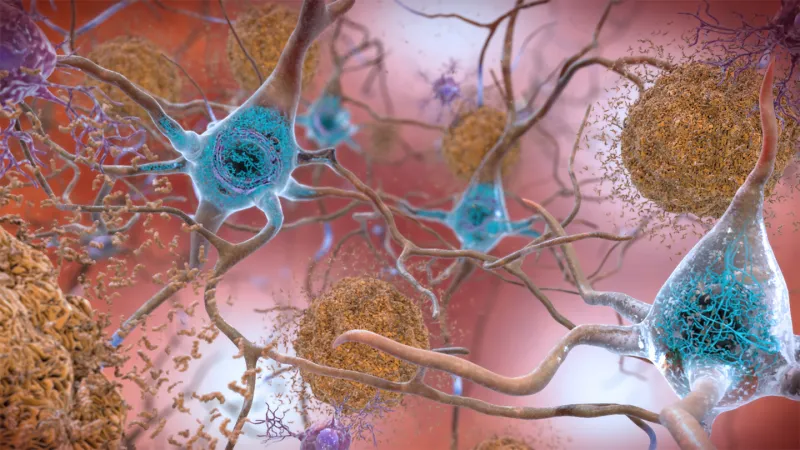
The drug successfully reduced tau protein levels in patients' brains, a hallmark pathology of Alzheimer's disease. Tau tangles accumulate inside neurons and are believed to drive neurodegeneration. Clinical trial data showed the medication slowed memory loss in treated patients compared to placebo controls, offering hope for a new therapeutic approach.
However, the results contained an intriguing wrinkle. The degree of tau reduction did not always correlate with the degree of cognitive improvement. Some patients experienced significant cognitive benefits despite modest tau clearance, while others showed substantial tau reduction with smaller memory gains. This disconnect suggests tau levels alone may not fully explain the drug's protective effects on brain function.
The finding points to a more complex relationship between tau pathology and cognitive symptoms than previously understood. Multiple mechanisms may drive Alzheimer's progression beyond simple tau accumulation. The drug could work partly through indirect pathways, such as reducing inflammation, stabilizing neuronal connections, or protecting against other forms of damage.
Researchers acknowledge the trial had limitations. Patient numbers were relatively small, and follow-up duration was brief for assessing long-term disease progression. Some patients showed minimal response to treatment, indicating the drug works better in certain subgroups, though researchers have not yet identified reliable predictors of response.
Despite these caveats, the results represent progress in anti-tau therapeutics, a field that has seen repeated setbacks. Previous tau-targeting drugs showed minimal clinical benefit despite strong evidence of target engagement in the brain. This trial demonstrates that tau reduction can translate to measurable slowing of cognitive decline in at least some patients.
The data now move into Phase 3 testing with larger patient populations and longer observation periods. Researchers hope expanded trials will clarify which patient characteristics