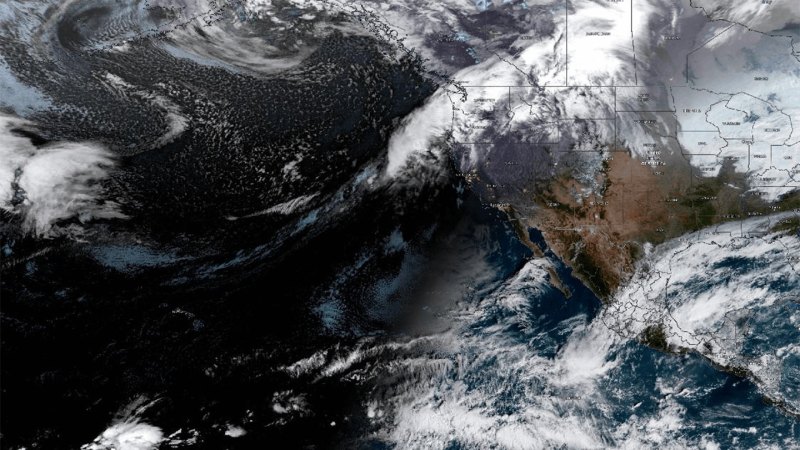
Researchers have created the first comprehensive global map of atmospheric rivers, the narrow corridors of moisture in the sky that deliver half of all precipitation to mid-latitude regions. These "water highways" transport vast amounts of water vapor across thousands of kilometers, making them critical to global water cycles and extreme weather patterns.
Atmospheric rivers form when warm, moist air concentrates into bands typically 250 to 600 kilometers wide. When these systems collide with mountains or cold air masses, they release enormous quantities of rain or snow, often triggering devastating floods. Conversely, their absence contributes to severe droughts. Despite their importance, atmospheric rivers have remained poorly mapped on a global scale until now.
The new mapping project analyzed satellite data and atmospheric measurements to track these moisture pathways across all ocean basins and continents. Researchers identified specific corridors where atmospheric rivers preferentially form and travel, revealing previously unknown patterns in how water vapor moves through the atmosphere. Some regions experience frequent atmospheric river activity, while others remain largely untouched by these systems.
This mapping effort holds practical implications for water resource management and flood forecasting. Regions dependent on atmospheric rivers for water supply can better anticipate dry periods, while vulnerable areas can improve preparation for extreme precipitation events. Climate scientists also use these maps to understand how changing atmospheric patterns may alter future water availability.
The research demonstrates both the interconnected nature of Earth's climate system and humanity's dependence on these invisible but powerful weather features. As climate change shifts atmospheric circulation patterns, understanding where and when atmospheric rivers occur becomes increasingly essential for planning water infrastructure and preparing for extreme weather. The maps provide a foundation for more precise seasonal forecasts and long-term climate projections.