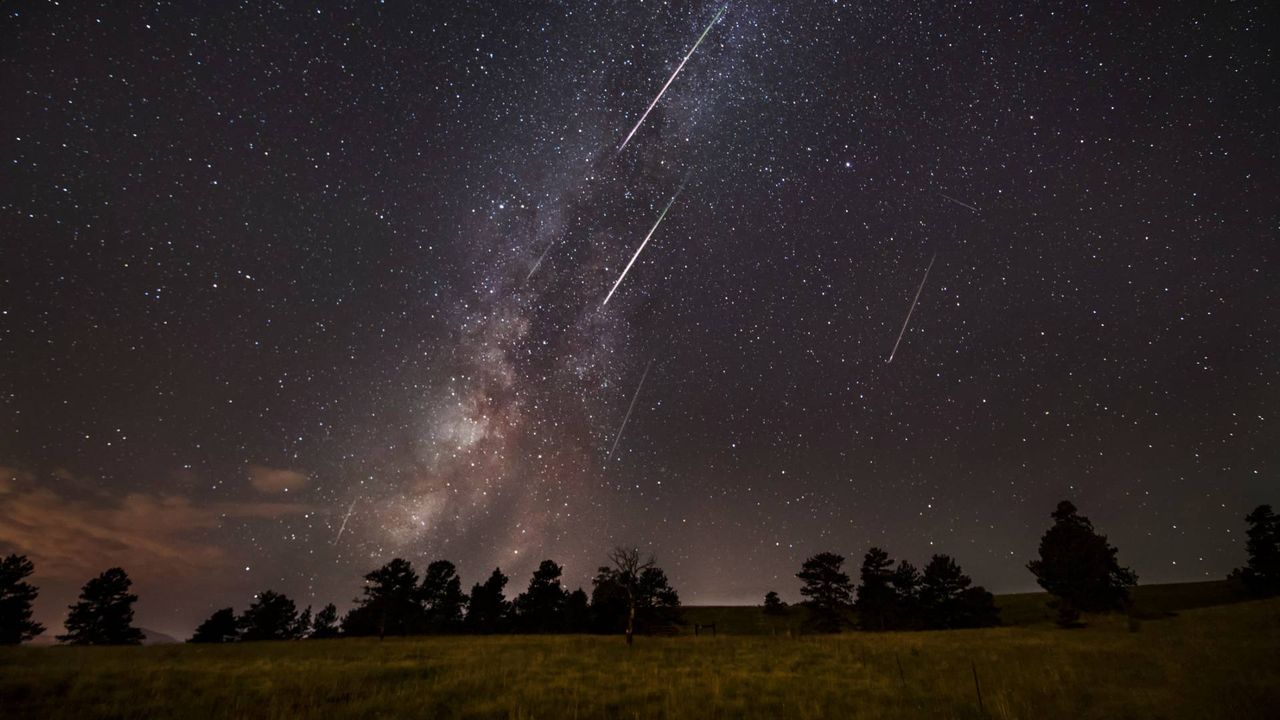
August 12, 2026 will deliver a rare combination of celestial events across portions of North America. A partial solar eclipse during daylight hours will coincide with the peak of the Perseid meteor shower at night, creating an exceptional opportunity for observers in select locations.
The Perseid meteor shower ranks among the year's most reliable and prolific displays. Caused by Earth's passage through debris left by Comet Swift-Tuttle, the Perseids typically produce dozens of meteors per hour at peak activity. The August 12 date positions viewers during optimal viewing conditions if they travel to the right locations.
The partial solar eclipse will be visible from portions of the United States and Canada, though the extent of coverage varies by geography. Observers in the path of greater eclipse magnitude will see the Moon cover a larger portion of the Sun's disk. The event requires proper solar viewing equipment, such as certified eclipse glasses or specialized filters, to prevent eye damage.
The combination of both events on the same night presents a logistical advantage for astronomy enthusiasts. Rather than making separate trips for each phenomenon, travelers can position themselves in favorable zones and experience both displays within hours of each other.
Space.com identifies 10 specific North American locations that offer optimal viewing conditions for both events. These locations balance accessibility with eclipse visibility and minimal light pollution for meteor observation. The article suggests that careful site selection improves the likelihood of clear skies for both phenomena.
Success depends on weather conditions. August skies in North America can be unpredictable, with clouds and rain potentially obscuring both the eclipse and meteors. Skywatchers planning trips should monitor long-range forecasts and maintain flexibility for relocating if necessary.
The 2026 dual-event opportunity represents a notable gap between major eclipse events in North America. Observers interested in both solar astronomy and meteor watching should mark this date and plan