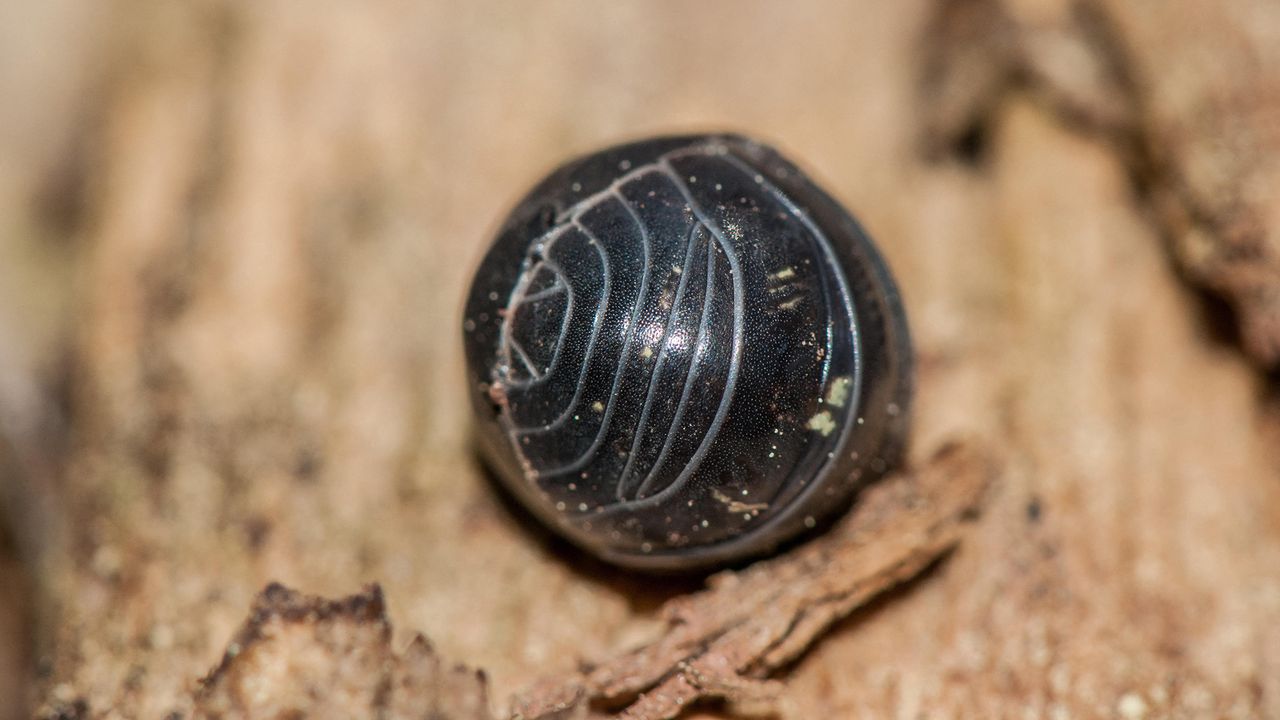
Scientists studying animal morphology have long wondered which creature achieves the most perfect spherical shape. While truly round animals remain rare across ecosystems, marine environments host far more spherical species than terrestrial habitats.
The search for the roundest animal involves measuring deviation from a perfect sphere using morphometric analysis. Sea urchins rank among the most spherical creatures, with their rigid calcium carbonate shells forming nearly perfect globes. Some species like Strongylocentrotus purpuratus achieve roundness indexes exceeding 0.95 on scales where 1.0 represents a perfect sphere. Their round architecture serves functional purposes, distributing pressure evenly across their bodies and providing structural integrity in deep ocean environments.
Pufferfish present another contender. When threatened, species like Tetraodon nigroviridis inflate their bodies with water to approximate spheres, becoming a defensive strategy that deters predators by increasing apparent body size and presenting sharp spines. However, this roundness remains temporary and inflatable rather than structurally inherent.
Radiolarians, microscopic marine organisms, construct intricate silica shells in perfect geometric spheres. Despite their size, these protists exhibit mathematical precision in their architecture that rivals manufactured spheres under electron microscopes.
On land, armadillos and pill bugs represent the closest terrestrial approximations of spherical animals. Pill bugs (Armadillidium vulgare) curl into tight balls when threatened, though their segmented exoskeletons prevent achieving true sphericity. Pangolins similarly roll into defensive balls but maintain their scaled surface imperfections.
The roundness advantage confers evolutionary benefits. Spheres minimize surface area relative to volume, reducing heat loss in cold ocean environments. They distribute external forces evenly, providing superior protection compared to elongated bodies. The spherical form also optimizes movement through liquid med