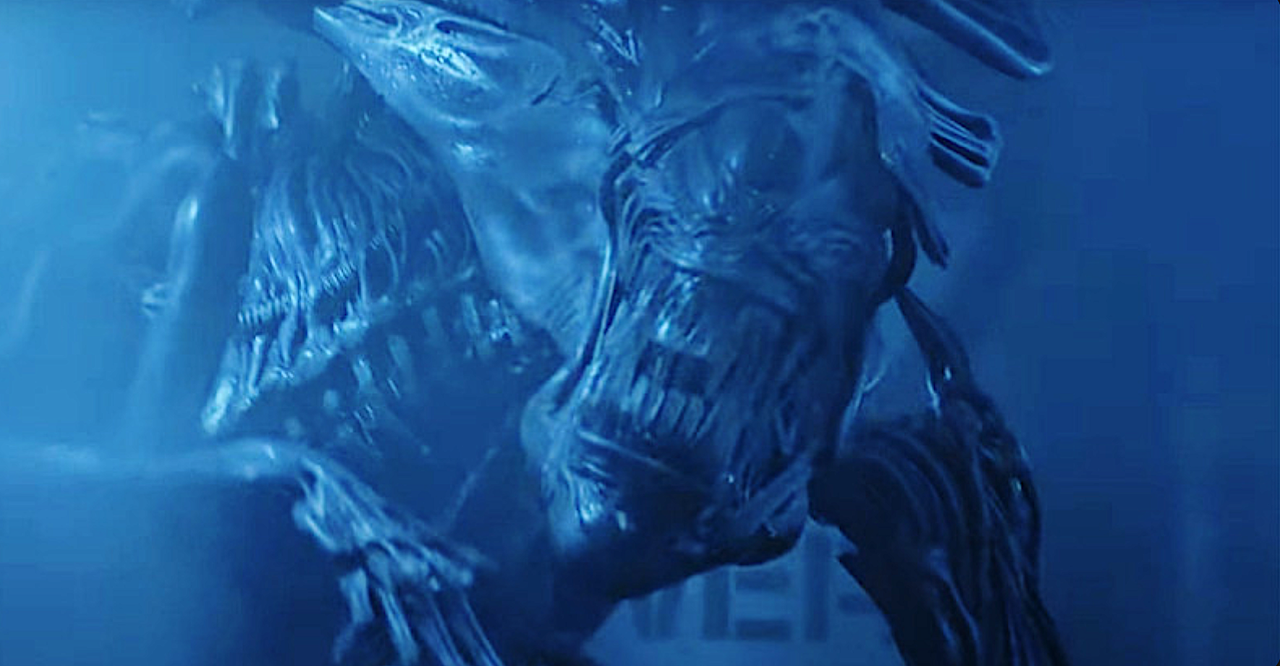
Shane Mahan and Lindsay MacGowan, the Oscar-nominated visual effects masters at Legacy Effects, crafted one of cinema's most iconic creatures for James Cameron's 1986 film "Aliens" as the movie marks its 40th anniversary.
The duo created the Alien Queen, the towering bio-mechanical antagonist that became the franchise's defining image. Mahan and MacGowan worked within the practical effects constraints of 1980s filmmaking, when digital tools remained limited and creatures required physical construction and puppeteering.
"We knew we had a lot to live up to," MacGowan reflected on inheriting H.R. Giger's original "Alien" design from Ridley Scott's 1979 film. The team faced the challenge of scaling up the xenomorph concept into a larger, more fearsome creature while maintaining logical design consistency with its smaller relatives.
Their work involved building functional suits, articulated heads, and mechanical components that actors could interact with on set. The Queen required puppeteers concealed within the suit and elaborate rigging systems to achieve the creature's fluid, predatory movements. Every practical element demanded problem-solving under tight production schedules and budgetary constraints.
The creature design proved so effective that it dominated sequels and cultural memory for decades. Legacy Effects' approach influenced how practical creatures were built throughout the 1990s and 2000s, even as CGI technology emerged. The studio's commitment to tangible, physical monsters created something tactile that digital effects often struggled to replicate.
For Mahan and MacGowan, the Queen represented the pinnacle of creature design craft. Their techniques required understanding biomechanics, material science, and performance mechanics simultaneously. The resulting creature functioned as both a practical obstacle for actors to perform against and a visual marvel that rewarded close cinematographic examination.
Four decades later, the