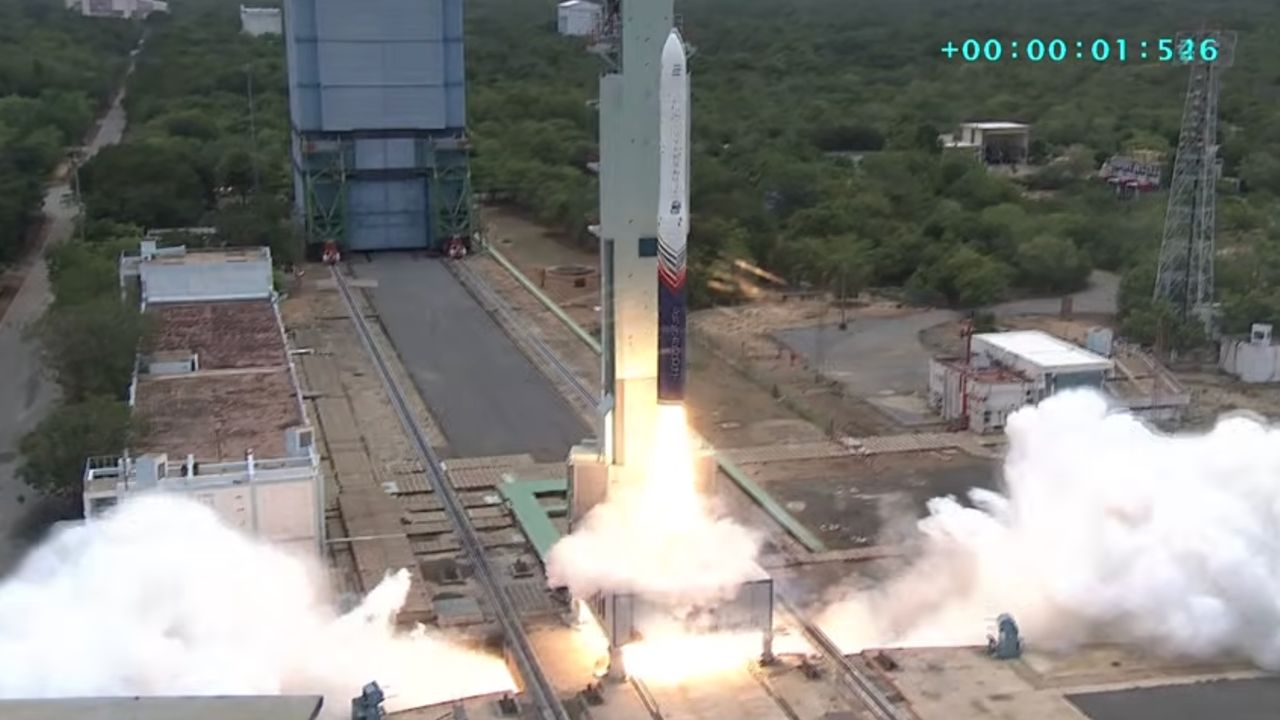
Skyroot Aerospace's Vikram-1 rocket successfully completed its maiden flight on July 18, establishing India as only the third nation to achieve private orbital launch capability. The achievement marks a watershed moment for India's commercial space sector.
The Vikram-1 launch from India's Satish Dhawan Space Centre demonstrated that privately developed rockets can now reach orbit from Indian territory. This capability previously existed only in the United States and China, where companies like SpaceX and private Chinese firms operate orbital rockets.
Skyroot Aerospace, founded in 2018 by Pawan Kumar Chandana and Naga Bharath Deshpande, engineered the three-stage solid-fueled rocket to deliver small satellites to low Earth orbit. The successful debut positions India to compete in the growing commercial satellite launch market, valued at billions annually.
India's space agency, ISRO, has operated orbital rockets for decades, but the Vikram-1 launch represents the first time a private Indian entity accomplished this feat. The accomplishment reflects shifting global space policies that increasingly permit commercial entities to develop and operate launch systems.
The rocket's success arrives amid growing competition in small-lift launch services. Multiple private companies worldwide now offer or plan to offer affordable rides to orbit for small satellites used in communications, Earth observation, and scientific research. Skyroot aims to capture a portion of this expanding market.
India's space minister celebrated the launch as a transformative moment for the nation's space economy. The government has taken steps to liberalize space sector regulations in recent years, opening opportunities for startups and private companies alongside ISRO's continued operations.
Skyroot's next steps include planned commercial missions carrying customer payloads to orbit. The company also develops larger variants of its Vikram rocket family to serve different payload classes.
The Vikram-1 achievement underscores how