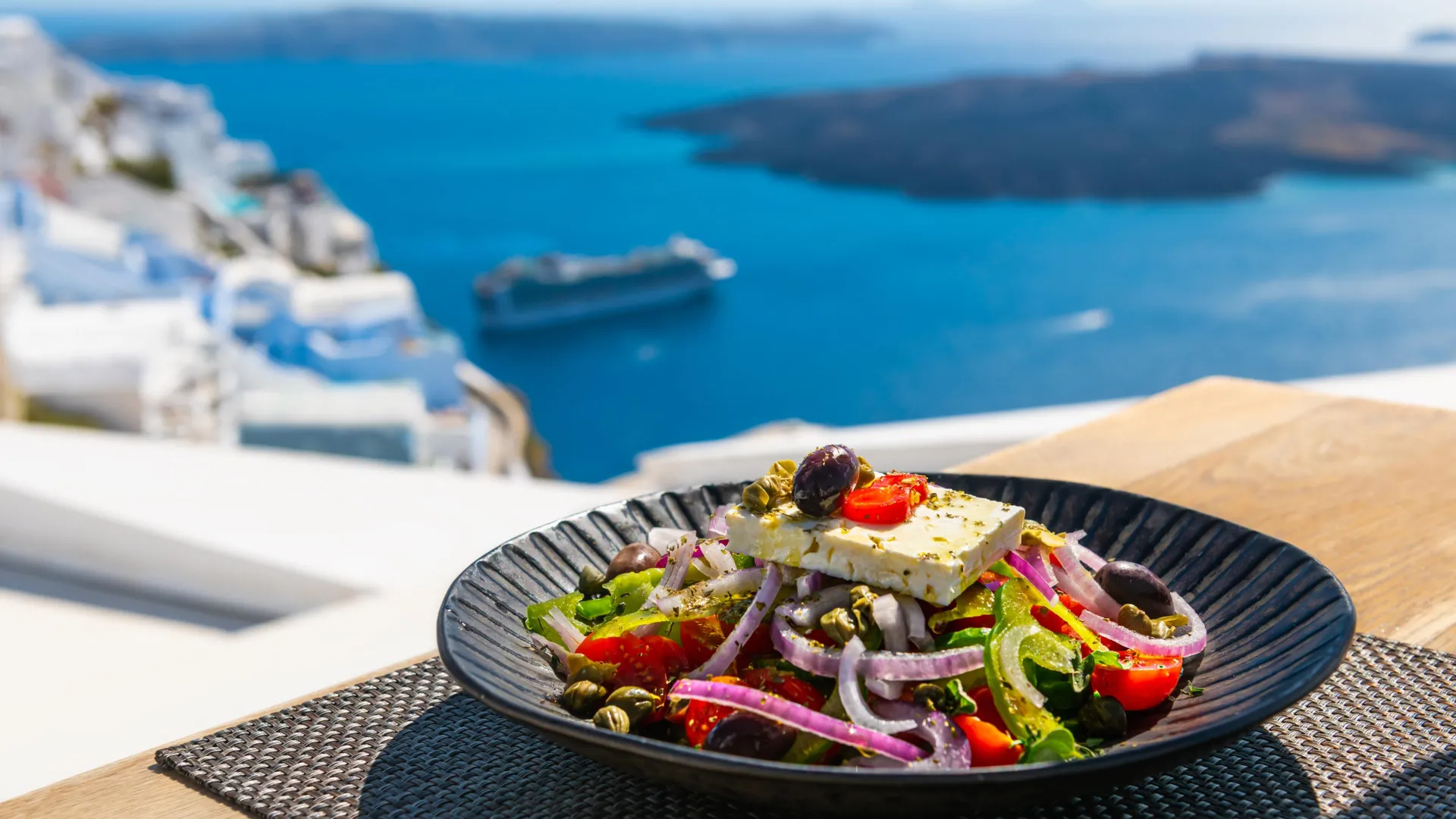
Researchers have identified a biological pathway linking the Mediterranean diet to heart and brain protection through two obscure mitochondrial proteins.
A study of older adults found that those who most closely followed the Mediterranean diet had elevated levels of humanin and SHMOOSE, peptides produced inside mitochondria that scientists associate with cardiovascular and neurological health. The diet's emphasis on olive oil, fish, legumes, and minimal refined carbohydrates appears to trigger production of these protective compounds.
Mitochondria are the cell's power plants, generating energy through metabolism. Humanin and SHMOOSE operate within these organelles and have previously shown connections to longevity and disease resistance in laboratory studies. The new research suggests dietary patterns can modulate their production in living humans, opening a mechanistic explanation for why Mediterranean-style eating correlates with better aging outcomes.
The Mediterranean diet, rich in unsaturated fats and plant-based foods, has long demonstrated associations with reduced heart disease and cognitive decline risk in epidemiological research. This work provides a potential biological link between specific foods and cellular protection.
The findings suggest scientists could eventually tailor nutrition recommendations based on individual mitochondrial protein profiles rather than generic dietary guidelines. If validated in larger populations, personalized approaches targeting humanin and SHMOOSE production might help aging adults maintain cardiovascular and neurological function more effectively than one-size-fits-all recommendations.
Limitations remain substantial. The study captured correlation rather than causation, and the clinical relevance of modest protein elevation needs clarification. Whether higher humanin and SHMOOSE levels actually translate to meaningful disease prevention in humans requires investigation. Additionally, mitochondrial peptide research remains nascent, with much unknown about how these molecules function and interact with other biological systems.
The work establishes a testable hypothesis for further research into diet's molecular aging mechanisms. Future studies should examine whether interventions designed to boost