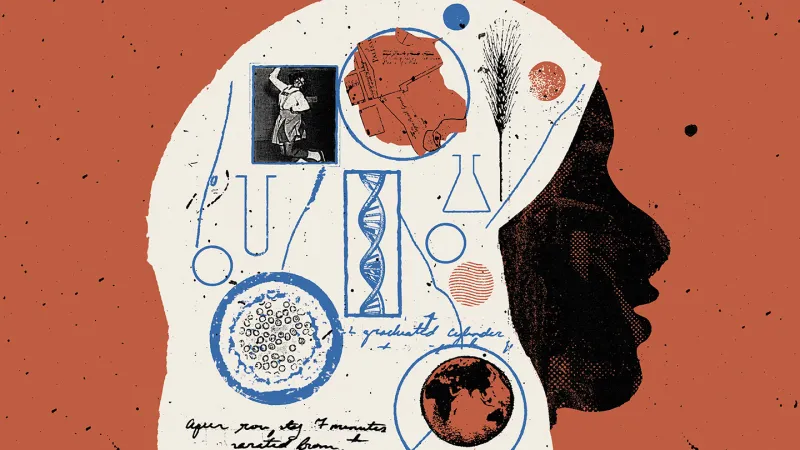
Biological anthropologist Fatimah Jackson champions efforts to address the thousands of human remains held in university collections across the United States, many acquired through unethical means during the colonial era and beyond.
Universities nationwide curate extensive skeletal collections used for teaching and research. These remains often come from Indigenous peoples, enslaved individuals, and marginalized communities who had no say in their exhumation or display. Jackson works to establish protocols that honor the origins of these specimens while respecting the wishes of descendant communities.
The challenge involves balancing competing interests. Researchers argue these collections provide irreplaceable data for understanding human biology, disease patterns, and evolutionary history. Museums defend their stewardship of specimens that might otherwise face destruction. Yet Indigenous groups and descendant communities assert moral and legal rights to reclaim ancestral remains for proper burial and ceremonial repatriation.
Federal law offers limited guidance. The Native American Graves Protection and Repatriation Act (NAGPRA) requires federal agencies and federally funded institutions to return remains to affiliated tribes when affiliation can be established. However, many university collections fall outside NAGPRA's scope, and proving direct descent remains difficult for non-Indigenous groups like enslaved African Americans.
Jackson's approach emphasizes collaborative frameworks. Rather than viewing repatriation as zero-sum loss, her work seeks models where universities document collection histories, identify living relatives, and facilitate voluntary returns. Some institutions have begun proactive outreach to descendant communities instead of waiting for formal claims.
The effort recognizes that access to remains for research does not justify their continued retention without consent. Universities increasingly acknowledge that ethical science requires transparency about acquisition methods and genuine partnership with communities whose ancestors these individuals represent.
Progress remains uneven. Wealthier institutions with dedicated repatriation staff move faster than smaller colleges. Some collections lack proper documentation of origin or identity. Jackson's work addresses these structural