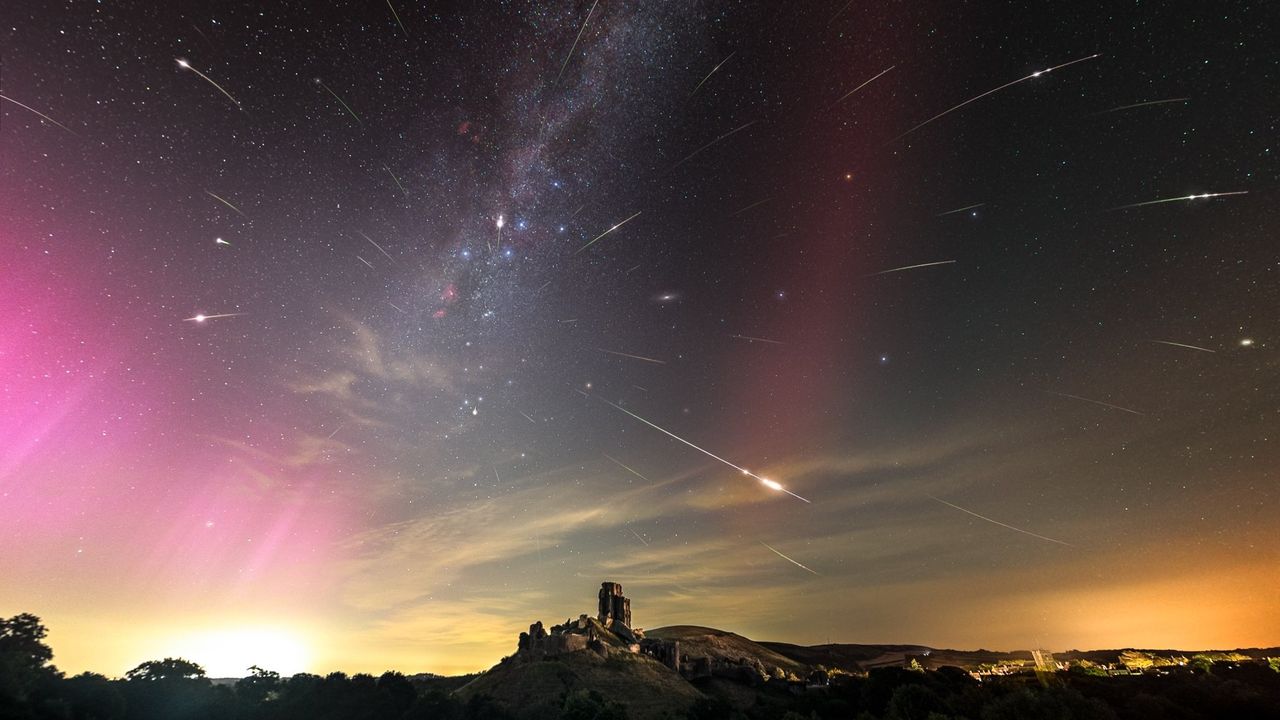
The Perseid meteor shower dominates summer stargazing conversations, but five other meteor showers offer equally compelling viewing opportunities during the warm months ahead.
Space.com identified six meteor showers worth tracking this summer. While the Perseids typically peak in mid-August and produce dozens of meteors per hour under ideal conditions, the lesser-known showers scatter across June, July, and August with their own distinct characteristics.
The Boötids, originating from debris left by Comet 7P/Pons-Winnecke, peak around June 27 and 28. Though historically variable, this shower occasionally produces dramatic outbursts. The June Lyrids appear in late June with modest rates of five to ten meteors per hour.
July brings the delta Aquariids, which peak around July 29 through 30. This shower produces approximately fifteen to twenty meteors per hour at its best and offers excellent visibility in the Southern Hemisphere. The alpha Capricornids, peaking in late July, run longer than many showers but with lower meteor rates.
August hosts two additional showers alongside the Perseids. The kappa Cygnids peak around August 17 to 25, while the Antihelions show activity throughout late summer with relatively constant rates.
Viewing these showers requires minimal equipment. Observers benefit from dark skies away from light pollution, ideally reaching locations where the Milky Way becomes visible. Moonphase affects visibility significantly. A new moon provides the darkest skies, while a full moon washes out dimmer meteors.
Meteors occur when Earth passes through debris trails left by comets. Each shower has a radiant point in the sky from which meteors appear to originate, though they fill the entire sky during peak activity.
The Perseids' popularity stems