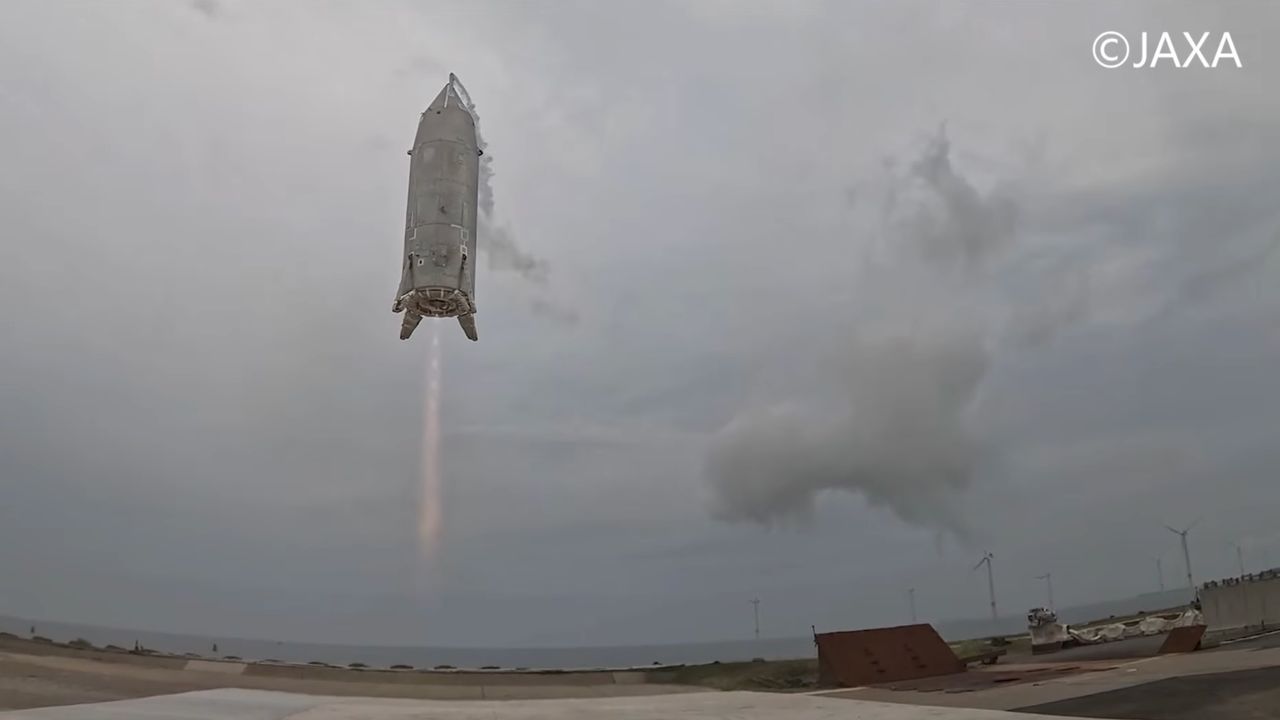
Japan achieved a milestone in space technology by completing the first-ever flight test of its RV-X experimental reusable rocket prototype. The test marks Japan's entry into the competitive field of reusable rocket development, a domain long dominated by SpaceX's Falcon 9 and emerging efforts from other spacefaring nations.
The RV-X prototype represents Japan's push toward reducing launch costs and improving access to space. Reusable rockets cut expenses by allowing boosters to land safely and fly again, rather than burning up on reentry or sinking in the ocean. Japan's space agency and private partners developed the vehicle to test critical technologies needed for future operational systems.
The successful flight and landing demonstrate that Japan can execute the demanding engineering required for rocket reusability. A booster must control its descent, reignite engines at the right moment, and land with precision. These maneuvers demand advanced avionics, fuel management systems, and autonomous guidance software.
The test comes as global space launch competition intensifies. SpaceX's Falcon 9 has flown hundreds of times with reusable first stages since 2015. China is developing its own reusable rocket technology. Blue Origin operates New Shepard, a suborbital vehicle, and pursues the larger New Glenn. Other nations including India and Europe have announced reusable rocket programs.
Japan's space industry historically relied on expendable rockets like the H-IIA and H-III. The shift toward reusability reflects broader market pressure and cost reduction demands from commercial customers and government agencies. A successful reusable system could enhance Japan's competitive position in the global launch market and support domestic satellite operations.
The RV-X test provides engineers with crucial data on landing procedures, structural performance, and systems reliability. Additional test flights will likely follow to refine operations and build toward a production-ready vehicle. Japan's success