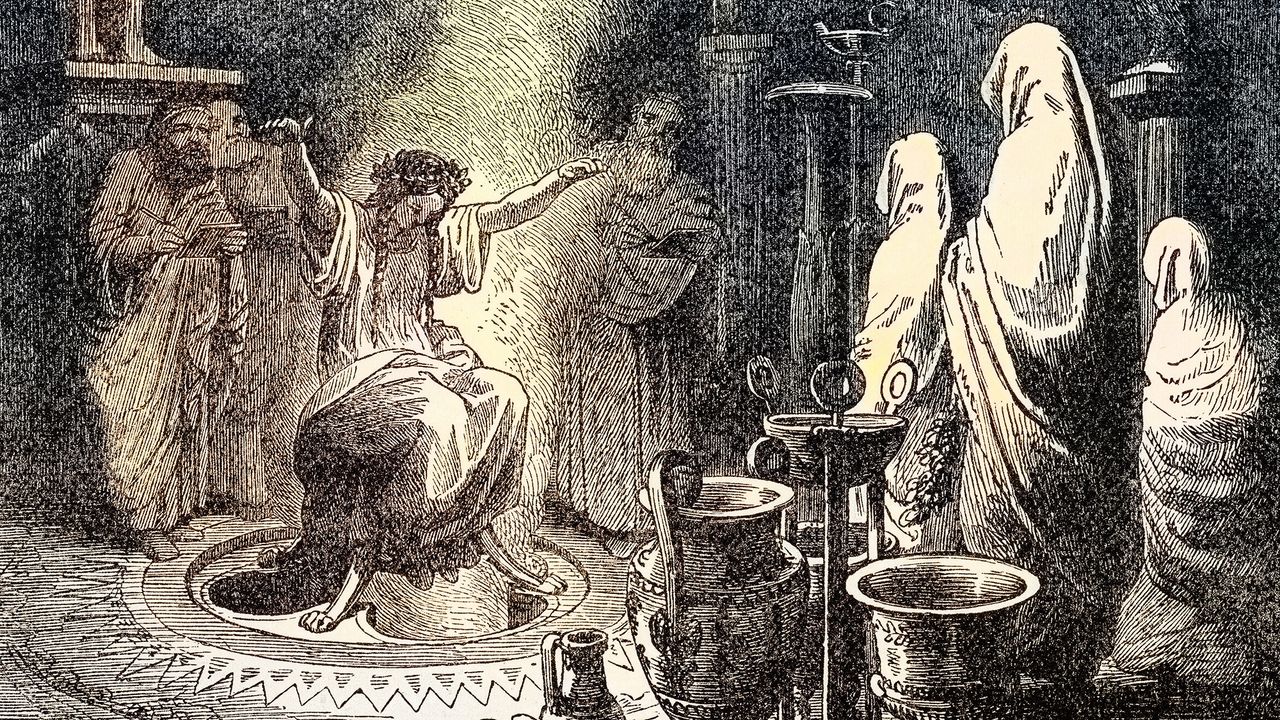
Mona Sloane argues that artificial intelligence fundamentally alters how societies understand reality and envision their futures, presenting what she calls "a dangerous proposition" in her book "Predicted: How AI Is Restructuring Social Life."
Sloane examines the mechanisms through which AI systems shape collective imagination. Rather than serving as neutral tools, these systems encode the values and assumptions of their creators, then distribute those perspectives at scale. When AI systems make predictions about hiring, lending, criminal behavior, or disease risk, they don't merely reflect existing data. They actively reshape social expectations and reinforce particular visions of what is probable or desirable.
The sociologist identifies a specific danger: as AI predictions become embedded in institutional decision-making, they acquire the status of inevitability. People internalize these algorithmic forecasts as facts about the future rather than as one possible outcome among many. This creates what Sloane describes as a narrowing of imagination. When an AI system predicts that certain neighborhoods will experience crime, police deployment follows. When algorithms assess hiring potential, particular demographics face reduced opportunities. These predictions then generate the very outcomes they claimed to foresee, becoming self-fulfilling prophecies.
Sloane's work highlights how AI restructures power relationships. Those who build and control these systems gain unprecedented influence over how entire populations imagine their possibilities. Workers, loan applicants, students, and criminal defendants increasingly face judgment from systems designed without their input or transparency.
The book distinguishes between how AI affects different social groups. Marginalized communities often encounter AI systems with less oversight and fewer appeals mechanisms. Meanwhile, affluent individuals navigate technological systems designed with their preferences in mind.
Sloane's central concern involves what happens when societies outsource imagination to algorithms. By treating AI predictions as inevitable, societies risk abandoning deliberation about what futures they actually want to build. The technology becomes not a tool for achieving chosen goals but