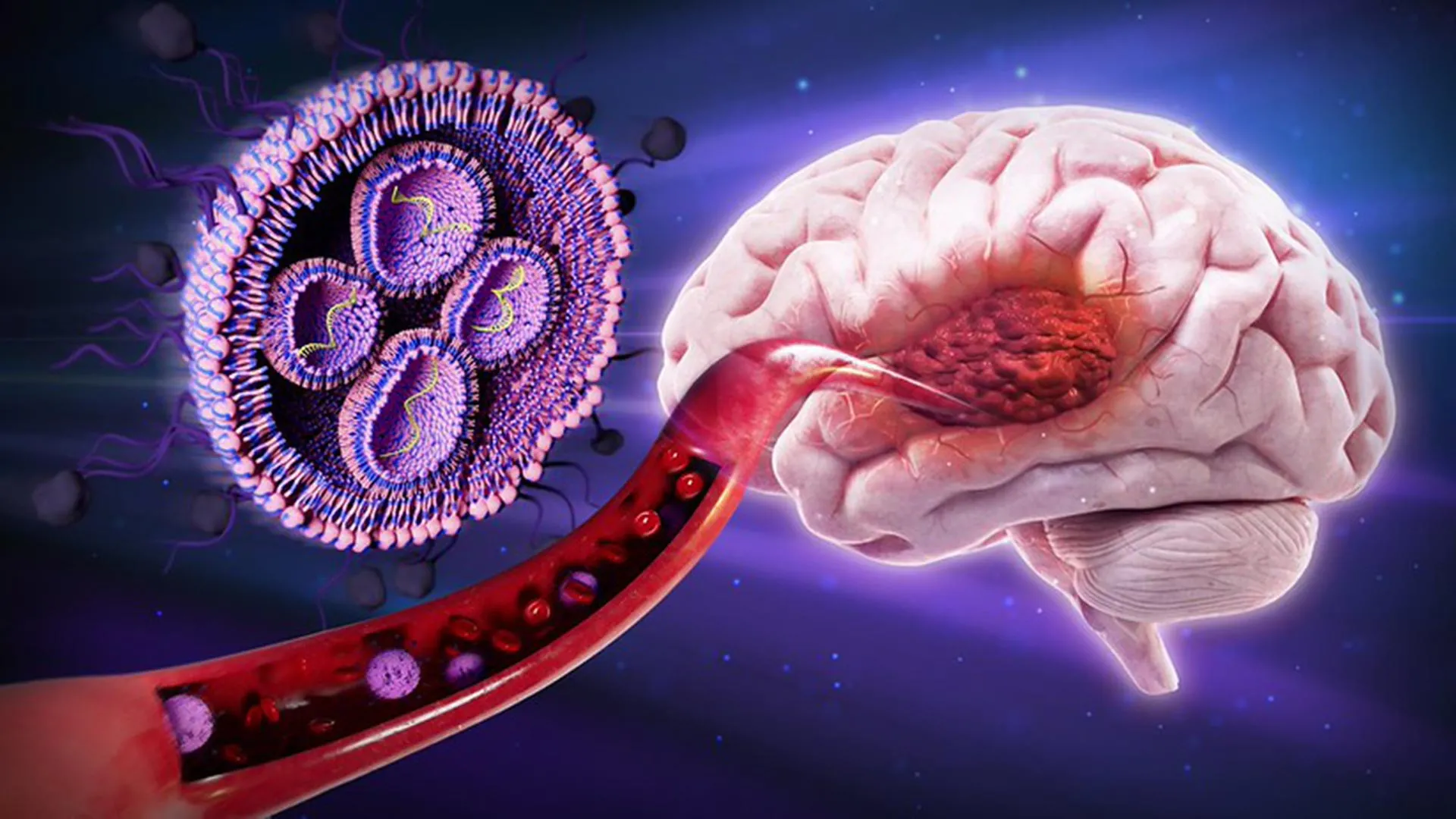
Researchers have developed a sugar-coated nanoparticle therapy that increased survival in glioblastoma-bearing mice by 50 percent, addressing one of brain cancer's most formidable obstacles: penetrating the blood-brain barrier.
Glioblastoma remains one of the deadliest brain cancers, with median survival around 15 months even after surgery and radiation. The blood-brain barrier, a selective membrane that protects the brain, blocks most therapeutic molecules from reaching tumor cells. This natural defense makes delivering cancer-fighting treatments to brain tumors exceptionally difficult.
The new approach coats nanoparticles with sugar molecules, allowing them to cross the blood-brain barrier and enter glioblastoma cells. Once inside, these particles deliver genetic instructions that restore production of a tumor-suppressing protein, essentially restoring the cancer cells' natural growth controls. The mechanism exploits the fact that cancer cells consume more glucose than healthy cells, making sugar-coated delivery vehicles attractive to them.
In mouse studies, the therapy achieved a 50 percent increase in median survival and reduced tumor size without detectable toxicity to other organs. Researchers confirmed the treatment successfully delivered genetic cargo to brain tumors and restored the target protein expression.
The work represents meaningful progress toward solving a central challenge in brain cancer treatment. However, the results remain preliminary. Mouse models do not always translate to human efficacy or safety, and researchers must conduct extensive additional testing before human trials become possible. The therapy's effectiveness in larger animals, optimal dosing, potential immune responses, and long-term safety profiles all require investigation.
The sugar-coating strategy itself is not new, but applying it specifically to restore tumor suppressors in glioblastoma represents a novel approach. Researchers will need to determine whether this therapy works alongside standard treatments like chemotherapy and radiation, or whether it functions best alone.