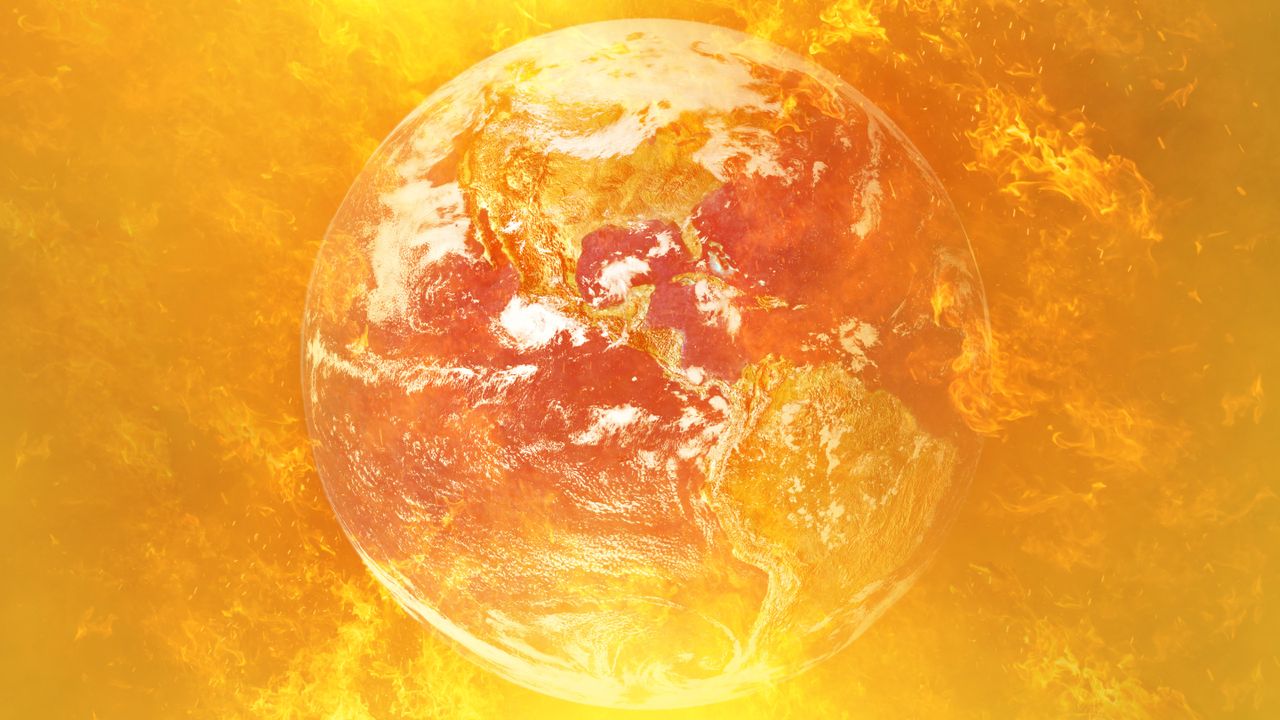
Current climate forecasts indicate the ongoing El Niño event will intensify into what researchers project as a record-breaking phenomenon within months. The strengthening pattern could trigger unprecedented global temperature increases and severe weather extremes across multiple regions.
El Niño occurs when warm water in the Pacific Ocean spreads eastward, disrupting normal atmospheric circulation patterns. This naturally recurring cycle typically peaks every three to seven years. The current event, which began in 2023, now shows signs of becoming the strongest on instrumental record, surpassing the devastating 1997-1998 El Niño that caused widespread agricultural failures, droughts, and flooding worldwide.
Climate scientists monitoring ocean temperatures and atmospheric patterns report that conditions favor continued rapid intensification. Warmer sea surface temperatures across the tropical Pacific are now feeding back into the atmosphere, amplifying the effect. The combination of a natural El Niño cycle with underlying global warming trends from greenhouse gas emissions creates compound heating effects.
Humanitarian consequences could prove severe. Historical records from previous strong El Niño events document massive crop failures in Southeast Asia and Africa, drought-triggered water shortages in Australia and South America, and flooding in East Africa and South America. Food security becomes precarious in vulnerable regions lacking infrastructure to manage sudden climate swings. Disease vectors like mosquitoes expand their ranges in warming conditions, increasing dengue and malaria transmission.
The forecasting models tracking this event incorporate real-time ocean buoy data, satellite measurements, and decades of historical patterns. Multiple international forecasting centers, including NOAA's Climate Prediction Center and Japan's Meteorological Agency, align on the strengthening trajectory, lending confidence to the projections.
However, seasonal forecasting carries inherent uncertainty. Unexpected volcanic eruptions, sudden atmospheric changes, or ocean current variations can modify predicted pathways. The timing and magnitude of peak warming remain subject to natural variability that models cannot fully capture months