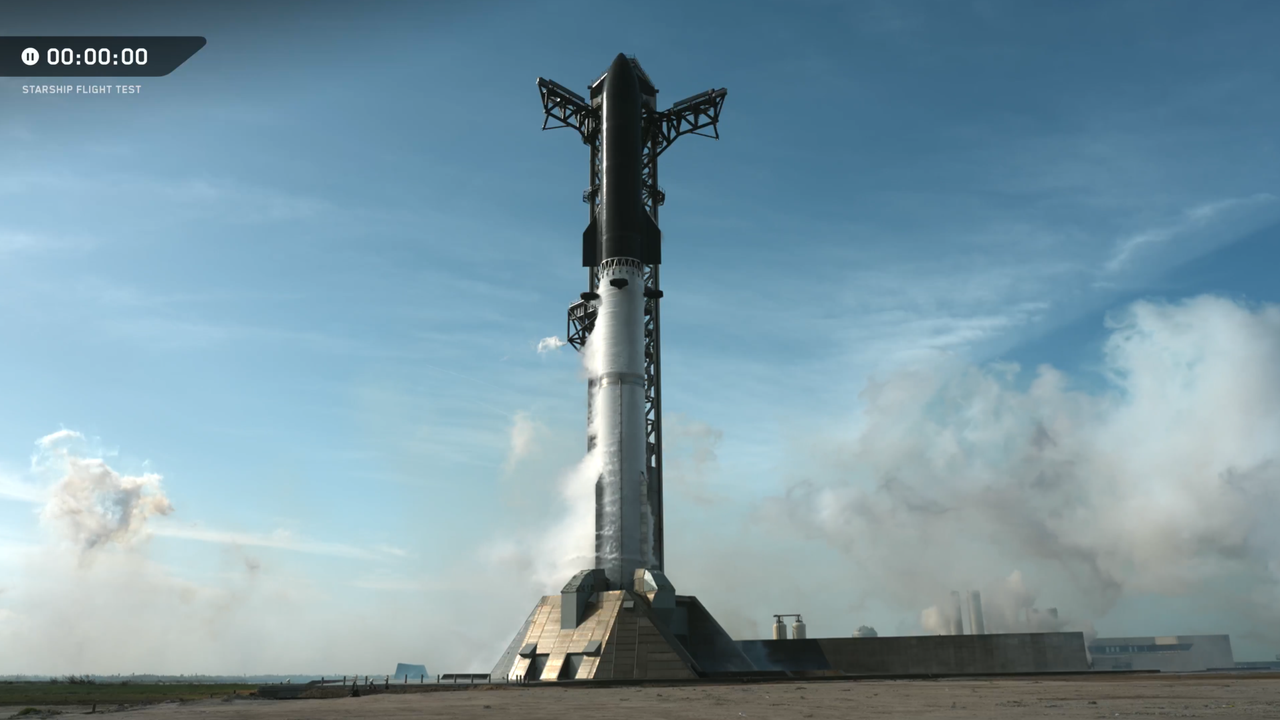
SpaceX aborted the Flight 13 test launch of its Starship rocket on Thursday, July 16, just seconds before liftoff. The company did not immediately disclose the reason for the abort or provide a timeline for the next attempt.
Starship represents SpaceX's fully reusable super-heavy launch system designed to carry cargo and crew to orbit, the Moon, and eventually Mars. The vehicle consists of the Super Heavy booster and the Starship upper stage. Previous test flights have progressively advanced toward full operational capability, with recent missions achieving booster catch and ocean splashdowns of the Starship upper stage.
Last-second aborts are standard safety protocol in spaceflight. Automated systems continuously monitor hundreds of parameters during the countdown, from fuel temperatures and pressures to weather conditions and pad infrastructure status. When any metric falls outside acceptable ranges, flight computers halt the sequence to prevent a potentially catastrophic launch failure.
Flight 13 was scheduled to launch from Starbase in Boca Chica, Texas. SpaceX typically conducts extensive review processes after aborts, analyzing sensor data to identify the specific anomaly that triggered the automatic shutdown. Depending on the issue's severity, the company may conduct additional ground testing or hardware inspections before attempting another flight.
SpaceX has maintained an aggressive Starship test schedule throughout 2024, demonstrating confidence in the vehicle's rapid iteration approach. Earlier test flights encountered various technical challenges, but the program has achieved several major milestones including successful booster catches and progressive improvements in upper-stage performance.
The exact cause of Thursday's abort and the timing of Flight 14 remained unclear at press time. SpaceX typically provides updates through social media and official statements once investigation results become available.