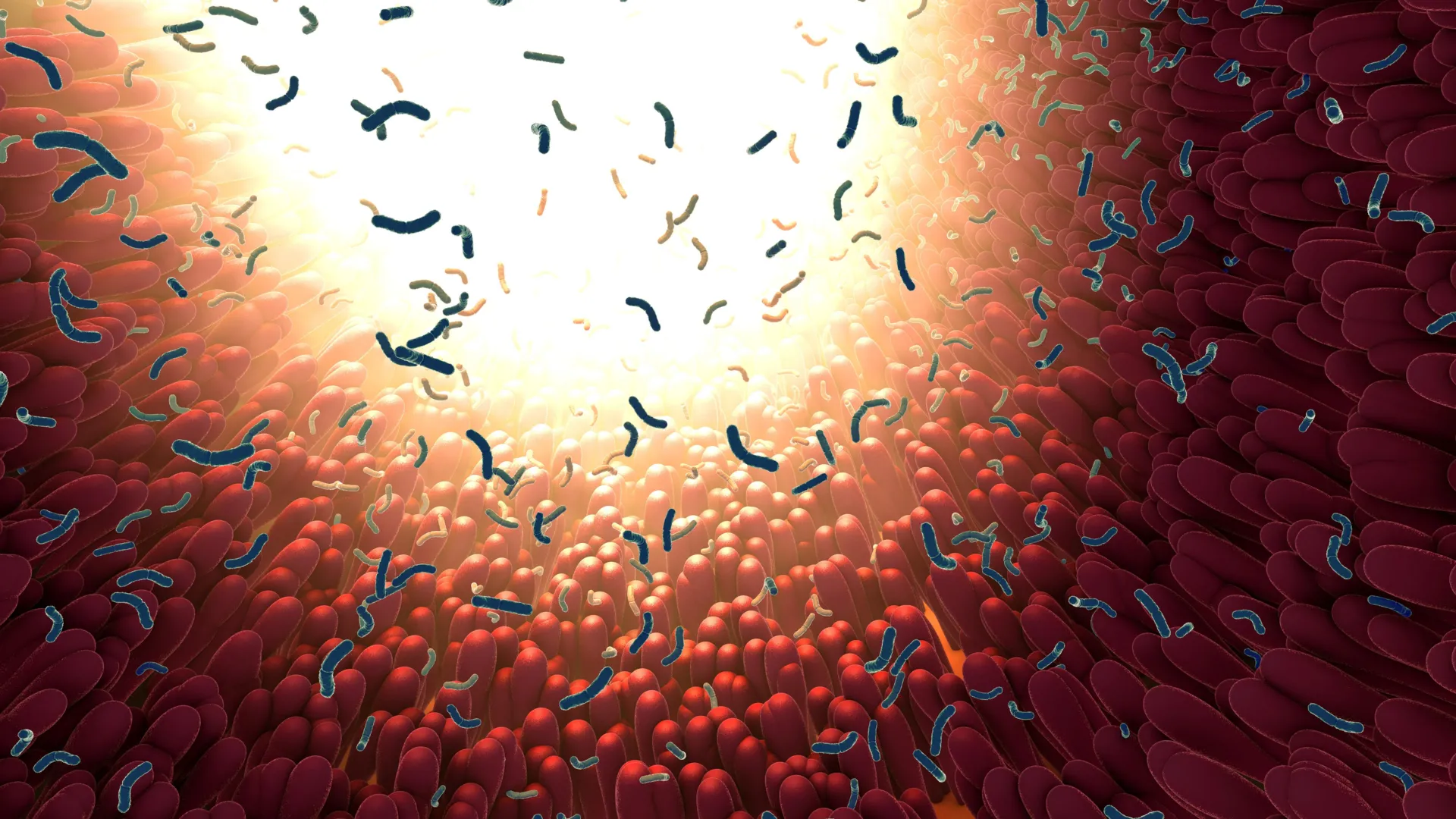
Researchers tested 39 sweeteners in controlled laboratory conditions and discovered that most altered gut bacteria composition in unexpected ways. The team identified more than 100 instances where sweeteners produced different bacterial responses when mixed with medications, caffeine, or flavorings.
The combination of isosteviol, a natural sweetener derived from stevia, and duloxetine, a common antidepressant, showed particularly harmful effects. This pairing reduced populations of beneficial bacteria and decreased overall microbial diversity in the test systems.
The findings challenge assumptions about sweetener safety. Most regulatory approvals focus on direct human toxicity rather than how these compounds interact with existing medications or other dietary components. The study suggests these interactions occur at the molecular level, fundamentally changing how gut microbes metabolize the sweeteners.
Gut bacteria play critical roles in digestion, immune function, and neurotransmitter production. Reductions in bacterial diversity have been linked to metabolic disorders, obesity, and mood disorders. The researchers highlighted duloxetine as particularly concerning since millions of patients take this antidepressant while consuming sweetened beverages or foods.
The laboratory nature of this work carries important limitations. Test tube studies do not fully replicate the complexity of the human digestive system, where stomach acid, bile, and intestinal motility affect sweetener metabolism. Individual variation in gut microbiota means some people may experience these effects more than others. The study also cannot determine whether the observed bacterial changes produce clinically meaningful health outcomes.
Nevertheless, the findings warrant further investigation in human subjects. Researchers should examine whether certain sweetener-medication combinations pose risks for specific populations, particularly those taking duloxetine or similar medications. The work suggests that current sweetener safety evaluations should account for drug interactions and combination effects rather than testing compounds in isolation.
The study adds to growing evidence that "generally recognized as safe" labels require