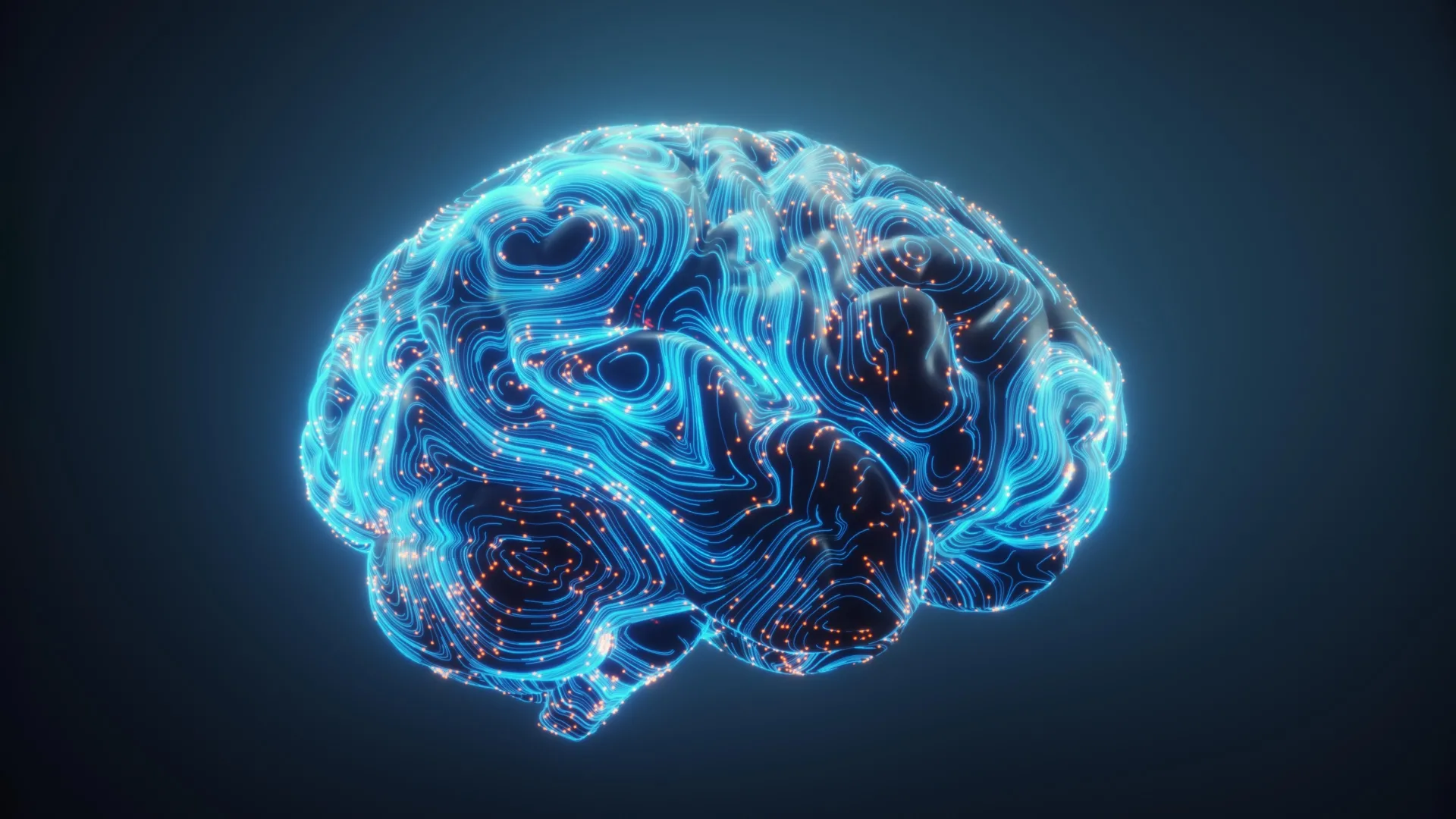
Researchers have discovered that intensive training physically restructures the brain to enable genuine multitasking, overturning decades of neuroscience doctrine that humans can only rapidly switch between tasks.
The study found that when people practice a skill extensively, learned tasks stop relying on the prefrontal cortex, the brain's command center for deliberate thinking. Instead, the tasks activate specialized neural circuits that operate autonomously. This reorganization frees up prefrontal cortex capacity, allowing the brain to simultaneously focus on another demanding activity without performance degradation.
The finding challenges the prevailing model established by cognitive psychologists over the past 15 years, which held that multitasking in humans was impossible. That research suggested people merely alternate attention between tasks so quickly it feels simultaneous. The new work demonstrates that automatized skills genuinely run in parallel with other cognitive demands.
The mechanism behind this reorganization remains an active research question. Neural plasticity, the brain's documented ability to rewire itself through experience, likely explains the shift. As practiced skills become more automatic, the neural networks supporting them consolidate into efficient, dedicated pathways. This parallels how expert musicians or chess players process their domains without conscious deliberation.
The research has practical implications for learning, job training, and performance in complex environments. Tasks requiring split attention, from aviation to surgery to driving in heavy traffic, could benefit from strategic practice regimens designed to automate lower-level components.
However, limitations merit acknowledgment. The studies likely focused on specific skill types, probably procedural or motor tasks that naturally lend themselves to automation. Higher-level cognitive tasks requiring novel problem-solving may not transfer to parallel processing the same way. Individual variation in learning speed and neural plasticity could affect how readily people achieve this brain reorganization.
The work opens questions about optimal training duration and whether certain skills resist automation better than others. Researchers should clarify whether multit