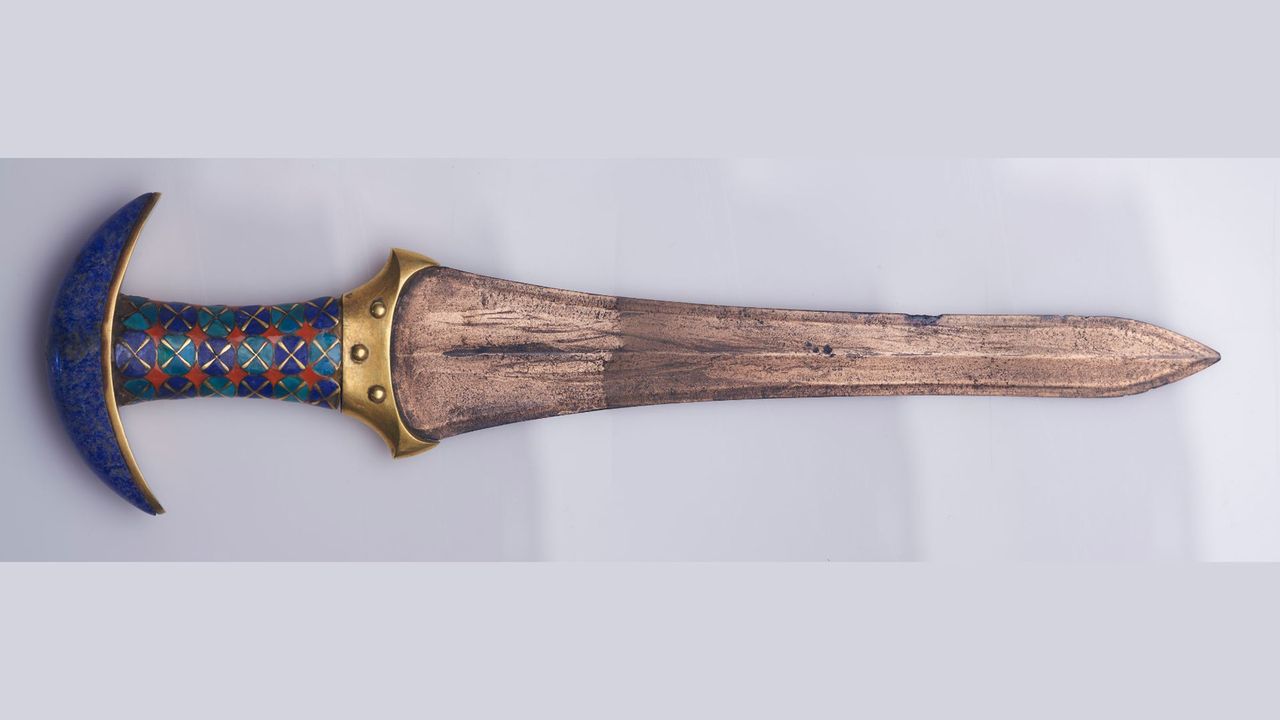
Researchers examining skeletal remains of ancient Egyptian royal women have found physical evidence suggesting they engaged in archery and weapon training, challenging assumptions about female roles in the ancient world. The study analyzed nearly 4,000-year-old bones of several princesses, identifying muscular changes in their upper bodies consistent with repeated weapon use.
The skeletal modifications include asymmetrical muscle development and bone remodeling patterns that researchers associate with drawing bows and handling weapons. Lead researchers connected these physical markers to archery practice and military training, proposing that royal women participated in activities previously thought exclusive to male warriors.
However, the interpretation remains contested among scholars. Outside experts caution against definitive conclusions, noting that skeletal changes can result from various activities beyond combat training. Repetitive upper-body work including textile production, grinding grain, or other domestic labor could produce similar bone modifications. The challenge lies in distinguishing between different types of physical activity based solely on skeletal morphology.
The research builds on growing evidence that women in ancient Egypt held more diverse roles than traditionally portrayed. Egyptian historical records document female rulers and administrators, yet battlefield participation remains less documented. This study pushes those boundaries by suggesting royal women may have trained alongside military personnel or engaged in hunting.
The findings highlight both the potential and limitations of bioarchaeological analysis. Skeletal remains preserve important biological information about ancient peoples, yet interpretation requires careful consideration of alternative explanations. Without accompanying archaeological context such as weapons buried with remains, artistic depictions, or written records explicitly mentioning female archers, researchers cannot definitively establish weapon use versus other strenuous activities.
The debate reflects broader questions about women's roles in ancient societies. Evidence of female participation in hunting or combat training would reshape understanding of gender divisions in Egyptian culture. However, experts emphasize the need for additional evidence before accepting the weapon-training hypothesis. Future studies analyzing more skeletal samples alongside contextual archaeological data may clar