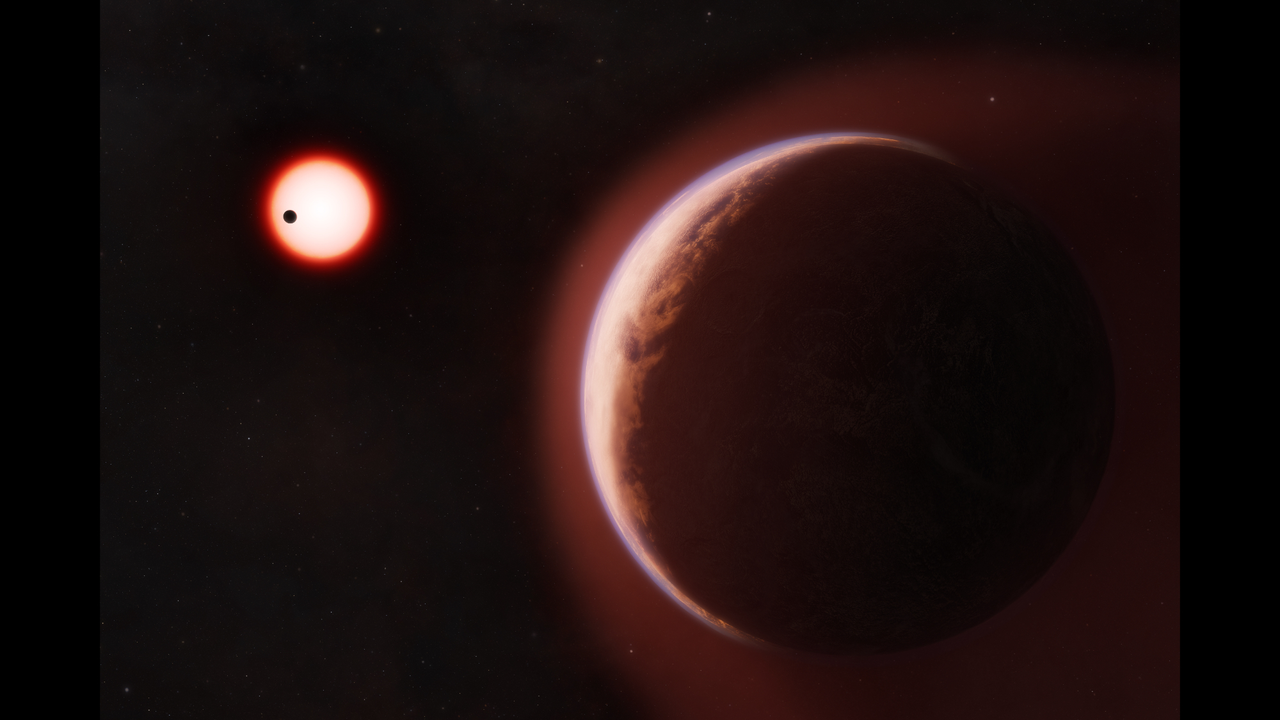
Astronomers have detected an atmosphere around a rocky, Earth-like planet located in its star's habitable zone, a first for exoplanet science. The discovery marks a major breakthrough in the search for potentially habitable worlds beyond our solar system.
The planet orbits within the habitable zone, the region where liquid water could exist on a planetary surface. This positioning makes it exceptionally valuable for astrobiology research and the hunt for extraterrestrial life.
Previous atmosphere detections focused on gas giants or planets orbiting very close to their stars, where atmospheric signatures were easier to spot. Rocky planets in habitable zones typically present far steeper observational challenges. Their smaller size and cooler orbital environments produce weaker atmospheric signals that require advanced detection methods to identify.
The research team used spectroscopic analysis, likely from space-based telescopes, to capture light passing through the planet's atmosphere as it transited in front of its host star. This technique allows astronomers to identify chemical fingerprints of gases in the planetary atmosphere, revealing its composition and properties.
The habitability implications remain significant but uncertain. The presence of an atmosphere does not guarantee biological activity or even suitable conditions for life as we understand it. Factors like atmospheric composition, surface temperature, stellar radiation, and magnetic field strength all influence true habitability. Scientists will now focus on analyzing what gases compose this atmosphere, which will provide crucial clues about the planet's potential as a home for life.
This discovery opens new observational pathways for studying other rocky exoplanets in habitable zones. Future observations with enhanced instruments, particularly the James Webb Space Telescope, should enable more detailed atmospheric characterization of similar worlds. The finding demonstrates that remote detection of planetary atmospheres around Earth-sized worlds in habitable zones has moved from theoretical possibility to observational reality, reshaping prospects for identifying potentially habitable exoplanets in coming years.