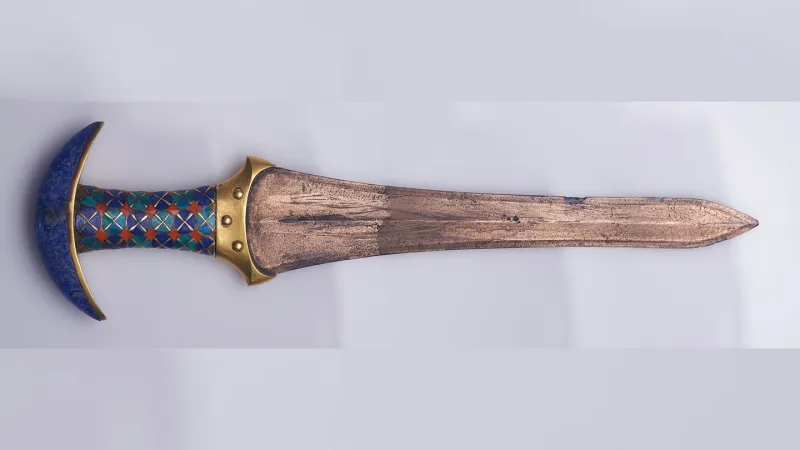
Researchers examining six mummified royal women from ancient Egypt found evidence that these princesses were trained warriors, not ceremonial figures adorned with symbolic weapons.
The study analyzed skeletal remains of female members of Egypt's royal family, focusing on stress fractures, muscle attachments, and bone density patterns that reveal how individuals used their bodies during life. The analysis revealed markers consistent with archery training and combat experience. Women buried with bows and daggers showed the same skeletal adaptations seen in male warriors of the period.
The findings overturn a long-held assumption that weapons discovered in women's tombs were purely ritualistic or decorative items reflecting their status rather than their abilities. Instead, the evidence suggests these princesses underwent serious martial training alongside their male counterparts.
The mummified remains showed characteristic changes in bone structure from repeated archery practice, including modifications to arm and shoulder bones from drawing bowstrings repeatedly under tension. Other skeletal indicators pointed to general combat conditioning. The patterns matched those documented in male soldiers from the same era.
This work expands understanding of gender roles in ancient Egyptian society. While royal men's military training is well documented in historical texts and tomb artwork, evidence of women's combat roles has been underappreciated. The skeletal analysis provides biological proof of what earlier scholarship may have overlooked.
The research does not specify which dynasty these princesses belonged to or provide exact dates for the burials, making it difficult to assess how widespread female warrior training was across Egyptian history. Nevertheless, the study demonstrates that at least some royal women received weapons training and likely participated in military activities.
These findings align with occasional references in Egyptian texts to female soldiers and archers, suggesting the ancient civilization may have integrated women into military roles more than conventional historical narratives have acknowledged.