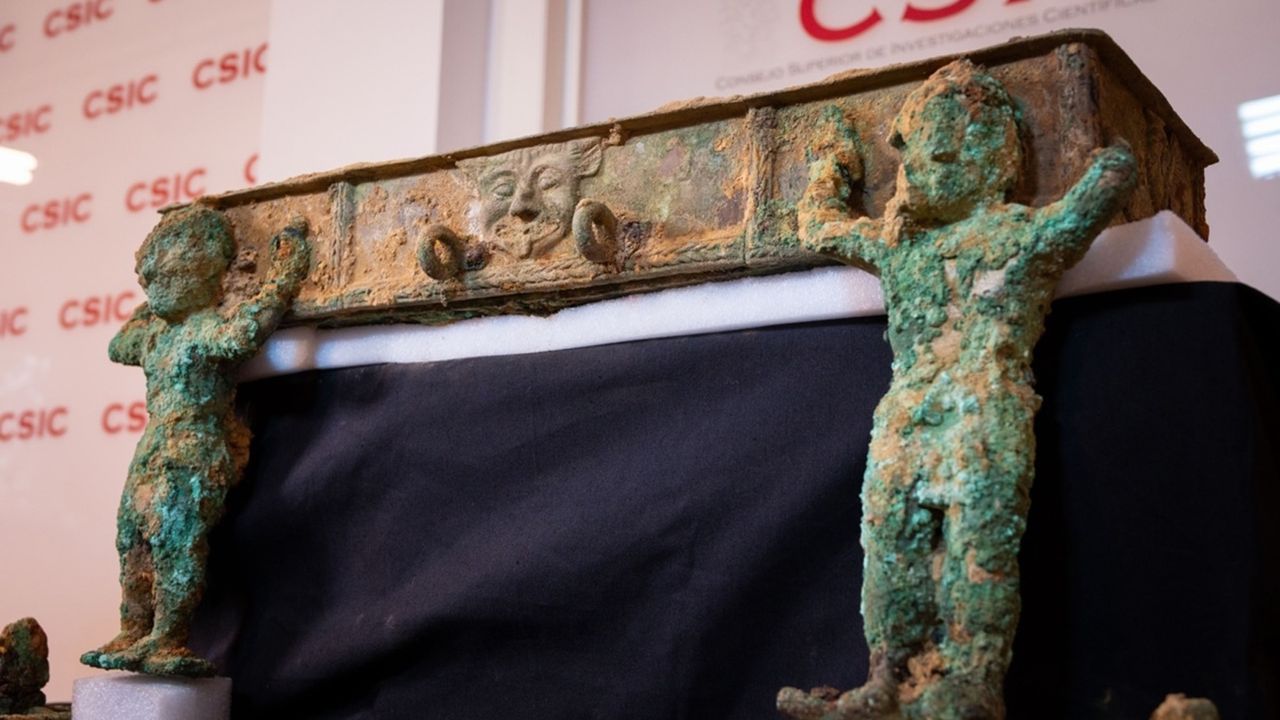
Archaeologists in Spain have unearthed an ancient bronze chariot belonging to a mysterious civilization that systematically burned its own buildings before vanishing from the historical record.
The discovery adds to a growing body of evidence about this enigmatic society, which researchers believe deliberately destroyed its settlements. The chariot, crafted from bronze, represents a significant artifact from a culture whose practices and ultimate fate remain largely unexplained.
The Spanish site has yielded additional clues about the civilization's unusual behavior. Rather than abandoning their settlements gradually or due to external pressures, evidence suggests the people intentionally set fires to their own structures. This pattern of deliberate destruction occurred repeatedly before the culture abruptly disappeared from archaeological documentation.
Bronze chariots from this period are rare finds that typically indicate wealth and social status. The quality and condition of this particular chariot suggest its owners held considerable power within their society. Its discovery provides material evidence of sophisticated metalworking techniques and organized trade networks that connected this culture to neighboring regions.
The civilization's mysterious disappearance has puzzled researchers for decades. No clear archaeological markers explain why the people left their settlements or where they relocated. The burning of buildings raises questions about whether the destruction reflected ritual practices, social upheaval, or preparation for departure.
Archaeologists continue analyzing artifacts from the site to understand what drove these unusual cultural practices. The bronze chariot offers insights into the society's technological capabilities and social hierarchy, but leaves fundamental questions unanswered about their ultimate fate.
This discovery underscores how much remains unknown about ancient Mediterranean cultures. Even well-preserved sites can present mysteries that challenge conventional archaeological interpretations. The Spanish chariot joins a limited collection of artifacts from this puzzling civilization, each piece contributing incrementally to a fragmented historical record.