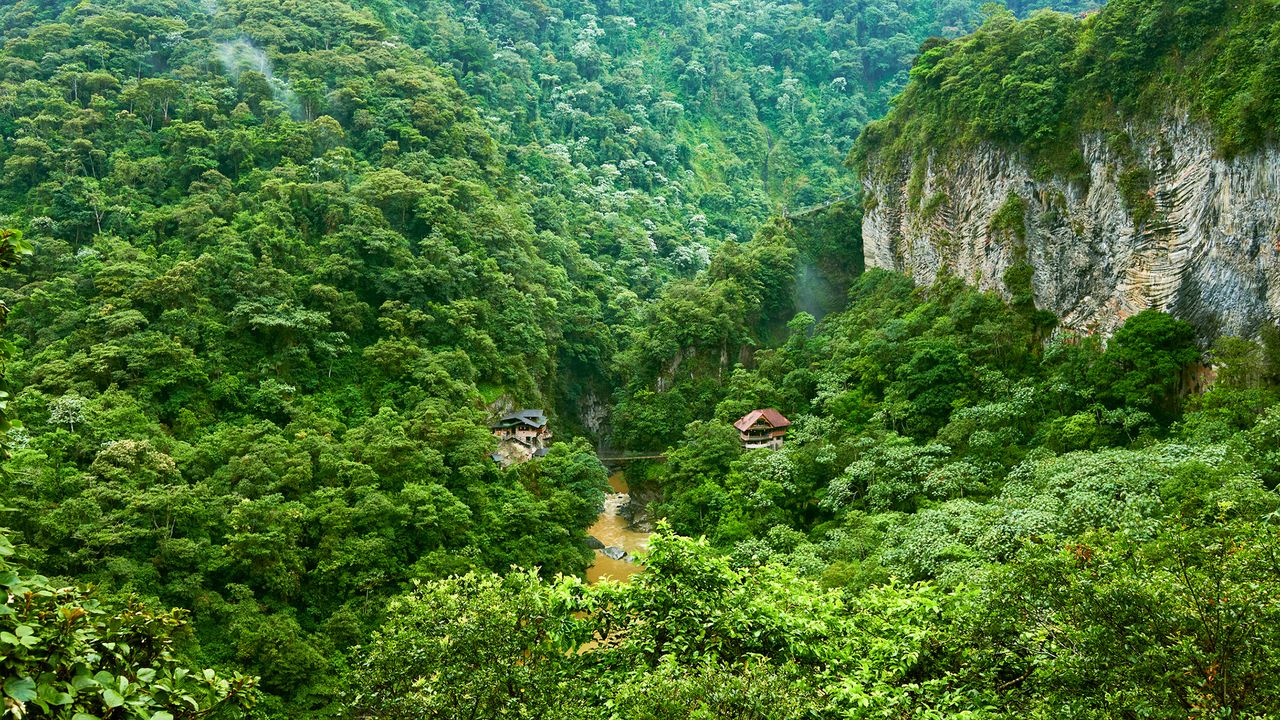
Tropical forests worldwide reversed their role as carbon dioxide absorbers during El Niño events, new research reveals. Instead of sequestering atmospheric carbon, these forests begin releasing it, transforming from carbon sinks into carbon sources. Scientists warn that 2026 could mark the most severe instance of this phenomenon yet recorded.
El Niño brings warming ocean temperatures and altered rainfall patterns across the tropics. During these events, forests experience drought stress, reduced photosynthesis, and increased tree mortality. Dead vegetation and stressed trees decompose or respire more carbon than healthy forests absorb, creating a net carbon release into the atmosphere.
The research examined satellite data and ground measurements from tropical forests across the Amazon, Southeast Asia, and Central Africa. The findings carry major climate implications. Tropical forests normally absorb roughly 2 billion tons of carbon dioxide annually, offsetting human emissions. When these forests flip to carbon sources during El Niño years, they amplify atmospheric CO2 concentrations just when the climate system faces additional warming stress.
The 2023-2024 El Niño event already demonstrated this pattern, but scientists expect 2026 to intensify the effect. Climate models project stronger-than-average warming in equatorial Pacific waters, which would create more severe drought conditions across tropical regions. This timing compounds existing climate pressures, as global temperatures continue rising from human greenhouse gas emissions.
The carbon reversal underscores the vulnerability of Earth's largest terrestrial carbon reservoir. Tropical forests contain hundreds of billions of tons of stored carbon. Any shift toward net carbon release destabilizes climate projections that assume these ecosystems remain carbon sinks through 2100. If deforestation and degradation accelerate during El Niño events, the impact on global carbon budgets becomes even steeper.
Researchers emphasize that protecting remaining tropical forests becomes increasingly critical as climate patterns grow more extreme.