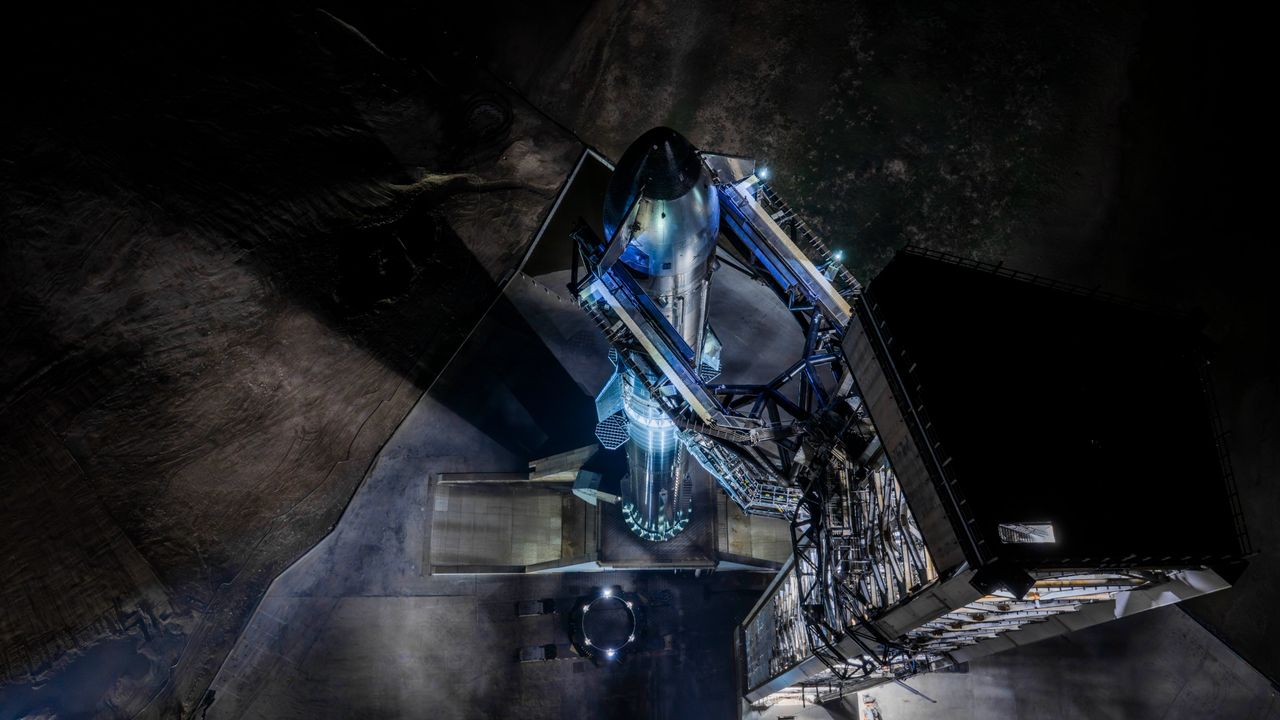
SpaceX completed the assembly of Starship for its 13th integrated flight test, stacking the Super Heavy booster with the upper-stage Ship vehicle at the Starbase facility in Boca Chica, Texas. The company prepared the fully stacked vehicle for launch on the evening of July 16.
The stacking process involves mating the 33-engine Super Heavy booster with the Ship upper stage. This configuration creates one of the most powerful rockets ever built, standing approximately 400 feet tall when fully assembled. SpaceX has conducted 12 previous integrated flights of the Starship system, using each test to gather data and identify refinements for subsequent attempts.
Flight 13 represents another iteration in the company's development program. Each test flight systematically pushes the vehicle further. Previous flights have achieved booster catch attempts, upper-stage reentry capabilities, and incremental progress toward full rapid reusability. SpaceX engineers continue analyzing performance data from each test to inform design changes and operational procedures.
The stacking announcement came hours before the scheduled evening launch window, indicating the vehicle had successfully passed preflight inspections and preparation protocols. Weather conditions, regulatory clearance, and final systems checks typically govern the precise launch timing on test days.
The Starship program remains central to SpaceX's long-term objectives, including lunar transport missions for NASA's Artemis program and eventual human Mars missions. The iterative testing approach allows engineers to validate core systems including fuel management, engine performance, reentry aerodynamics, and landing precision across multiple test cycles.
Each flight test generates thousands of data points across thermal management, structural performance, avionics integration, and environmental interactions. This engineering feedback directly informs modifications incorporated into subsequent vehicles. SpaceX has stated its goal of achieving full operational reusability with Starship, where both stages return intact and ready for rapid reflight