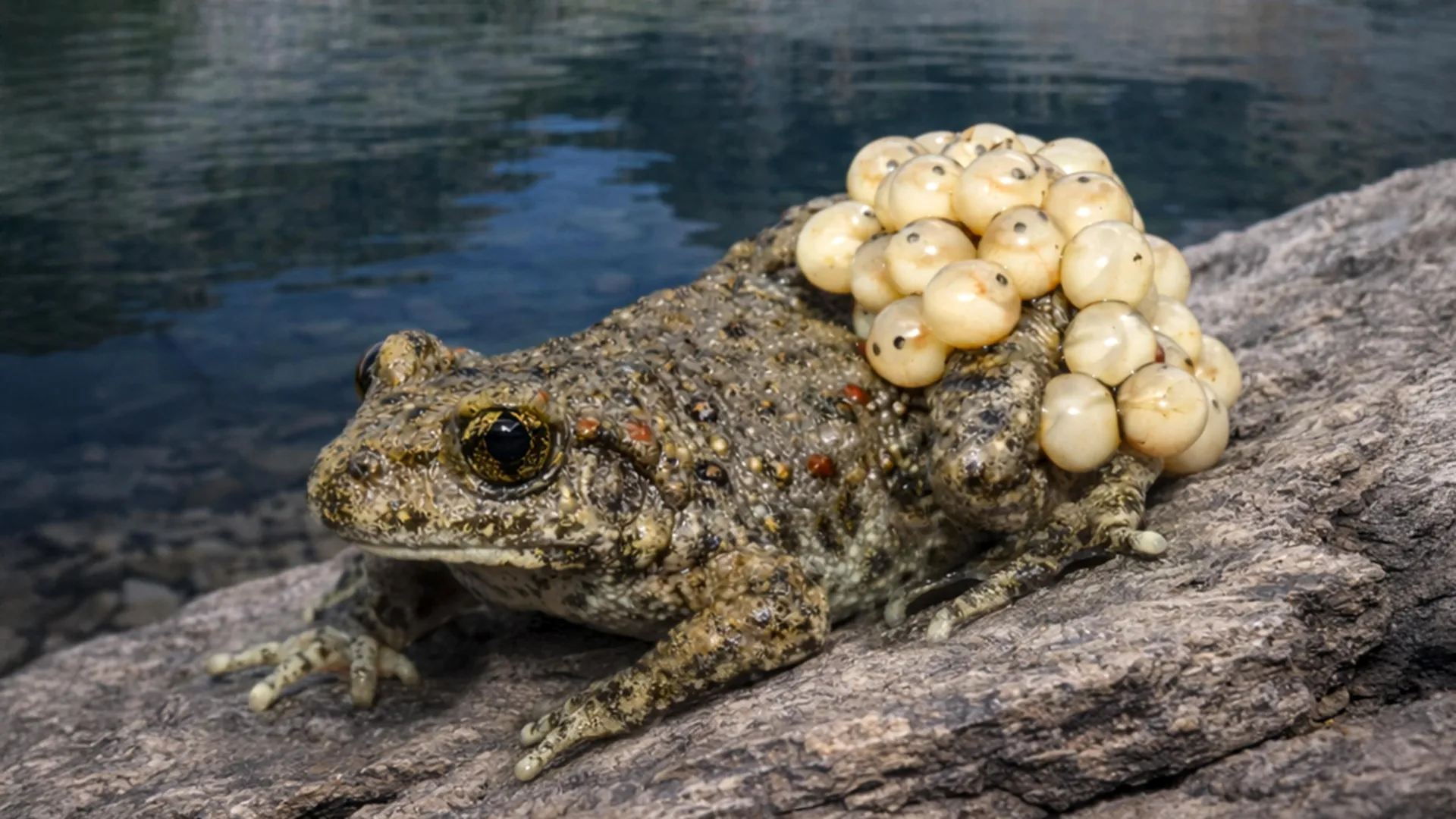
A lethal fungus called Batrachochytrium dendrobatidis has devastated amphibian populations worldwide, but some frog species mysteriously bounce back after infection. Researchers have now identified why survivors escape this threat: tadpoles develop robust immune defenses during their aquatic larval stage, before they metamorphose into frogs vulnerable to fungal attack.
The study reveals that successful tadpoles produce powerful antimicrobial peptides, natural defense molecules that build immunity long before adult frogs face the pathogen. This early immune priming acts as a shield against infection after metamorphosis, when frogs leave water and become susceptible to the fungus.
Scientists documented a previously unknown collection of antimicrobial peptides in survivor populations. These compounds represent potential templates for developing new pharmaceutical treatments against infections in humans and other species.
The fungus Batrachochytrium dendrobatidis, or Bd, infects the permeable skin of adult frogs and causes chytrid fungal disease, a condition that has triggered mass extinction events across multiple continents. Understanding how certain species resist this pathogen addresses a pressing biodiversity crisis that has eliminated hundreds of amphibian species since the 1980s.
The research team identified that larval immune development in resistant populations differs fundamentally from susceptible ones. This window during tadpole development offers a biological strategy for understanding pathogen resistance mechanisms.
The discovery carries dual significance. Immediately, it explains a central puzzle in amphibian conservation: why some species and populations recover while others vanish. The identification of novel antimicrobial peptides opens another research avenue, as these natural compounds often serve as blueprints for synthetic drugs with fewer side effects than conventional antibiotics.
This work connects amphibian survival strategies to broader questions about infection resistance and immune system development across species. Future studies could explore whether boosting larval