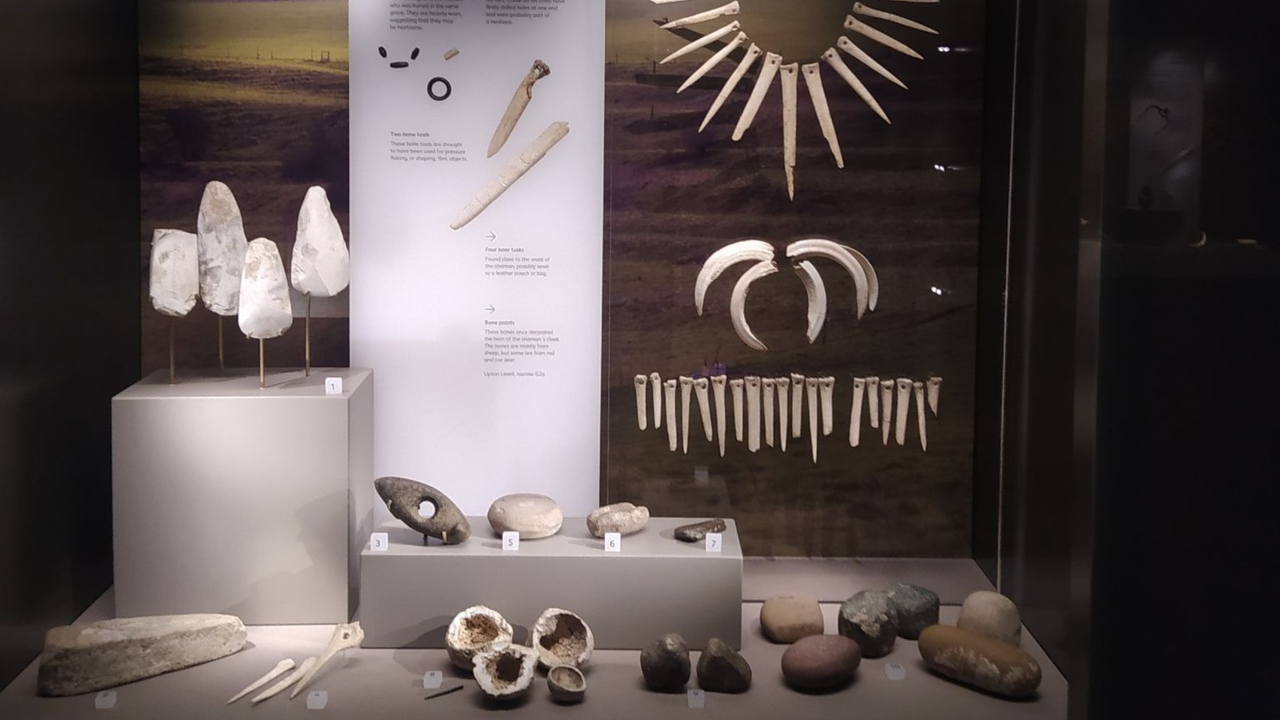
Geneticists have overturned decades of assumptions about a Bronze Age burial near Stonehenge after DNA analysis revealed that a skeleton long classified as male was actually female. The individual, buried approximately 4,000 years ago with an elaborate metalworking toolkit, had been interpreted by archaeologists as a high-status male shaman or metalworker based on grave goods alone.
The discovery challenges conventional thinking about gender roles and occupational specialization in prehistoric Europe. The woman's burial with sophisticated bronze-working equipment suggests that women participated directly in metalworking, a craft previously assumed to be exclusively male in Bronze Age societies. Her grave goods included tools associated with metalsmithing and other high-status items, indicating she held considerable social standing.
The DNA analysis, which determined the individual's biological sex through chromosomal examination, represents a methodological shift in archaeological interpretation. Without genetic testing, researchers had relied on grave context and burial goods to infer gender, leading to systematic misclassifications. This discovery joins growing evidence that archaeological teams have routinely misgendered skeletons based on material culture rather than biological markers.
The Stonehenge-area burial exemplifies how entrenched assumptions about prehistoric gender division shaped interpretations for generations. When graves contained prestigious items or evidence of specialized craft knowledge, excavators defaulted to male identifications. The woman's sophisticated toolkit demonstrates that Bronze Age societies distributed economic and social roles differently than later European societies, where metalworking became dominated by men.
Researchers have not yet published formal findings in a peer-reviewed journal based on available information, though the analysis comes from established archaeological institutions. The finding adds to accumulating evidence that Bronze Age Europe maintained more fluid gender roles than previously understood. Further DNA analysis of other high-status Bronze Age burials near Stonehenge and across Britain could reveal whether women's involvement in metalworking was isolated or widespread across the period and region