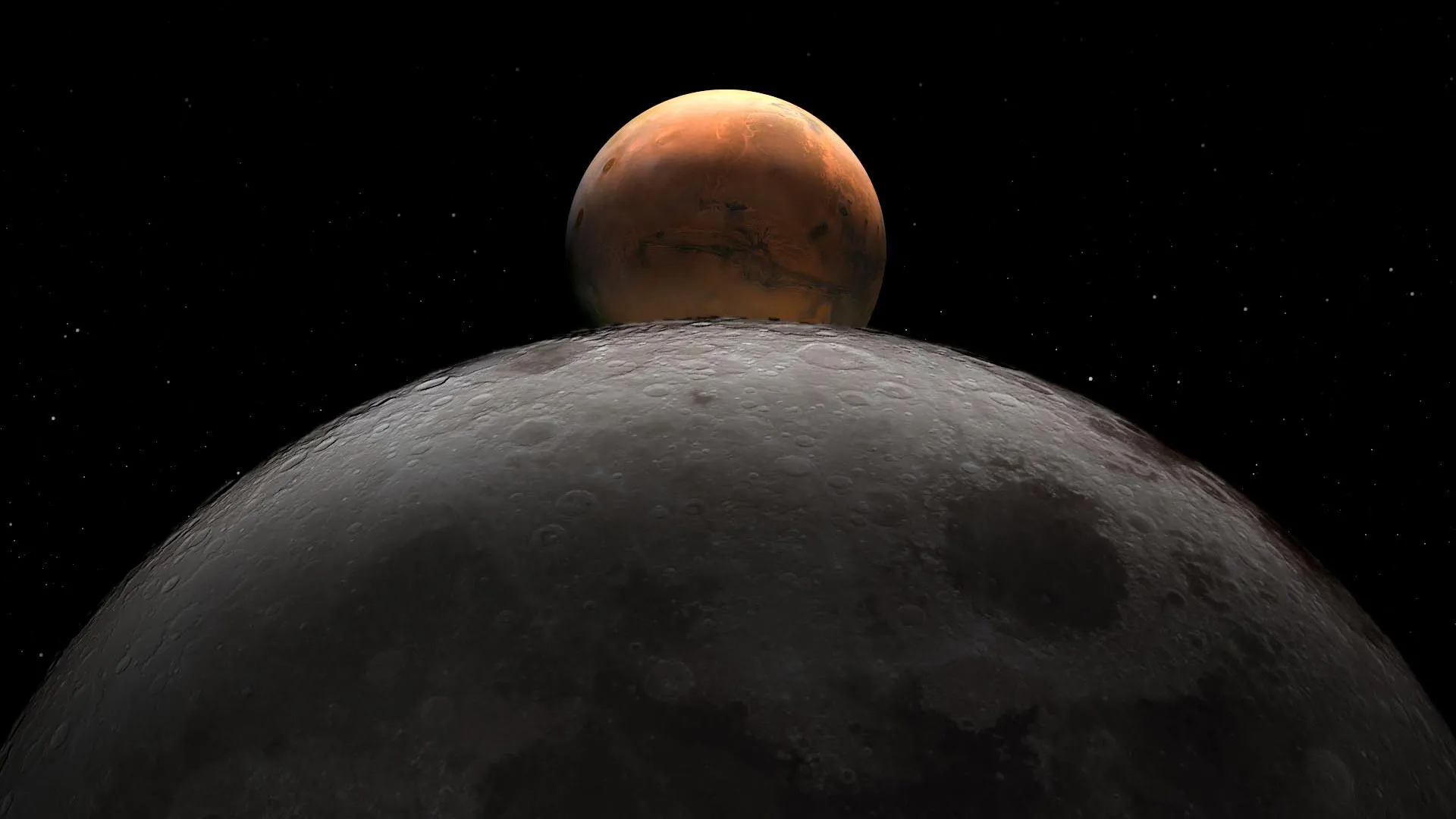
NASA has selected 41 commercial technology projects aimed at addressing pressing challenges for lunar and Martian exploration. The chosen innovations span power systems for lunar outposts, dust mitigation strategies to protect spacecraft, and other critical capabilities needed for sustained human presence beyond Earth orbit.
The selection represents NASA's Space Technology Mission Directorate's effort to leverage commercial expertise in developing solutions that traditional government procurement struggles to deliver efficiently. By funding diverse approaches from private companies, NASA reduces development timelines while stimulating growth in the commercial space sector.
The technologies selected address some of exploration's most stubborn obstacles. Lunar dust, which poses unique challenges due to the Moon's airless environment and electrostatic properties, requires specialized protective coatings and materials. Power generation systems must operate in the extreme temperature swings of lunar night and the thin Martian atmosphere. Life support systems, radiation shielding, and in-situ resource utilization technologies also received funding.
This approach has precedent. NASA's previous technology initiatives with SpaceX, Blue Origin, and smaller contractors accelerated development of commercial crew vehicles and cargo systems. The agency estimates that partnering with private companies costs roughly one-tenth what internal development requires.
The selection process emphasizes feasibility and alignment with NASA's Artemis program timeline for returning humans to the Moon by the mid-2020s and preparing for eventual Mars missions. Companies receiving funding must demonstrate technical credibility, manufacturing capability, and realistic cost projections. Projects operate under Phase 1 contracts, with successful demonstrators eligible for Phase 2 expansion funding.
Commercial space companies benefit from guaranteed government interest and validation of their technology concepts, reducing investment risk. This de-risks private sector development while providing NASA access to cutting-edge solutions developed outside traditional government laboratories.
The 41 projects reveal NASA's strategy for exploration beyond Artemis. Rather than developing all capabilities in-house, the agency increasingly functions