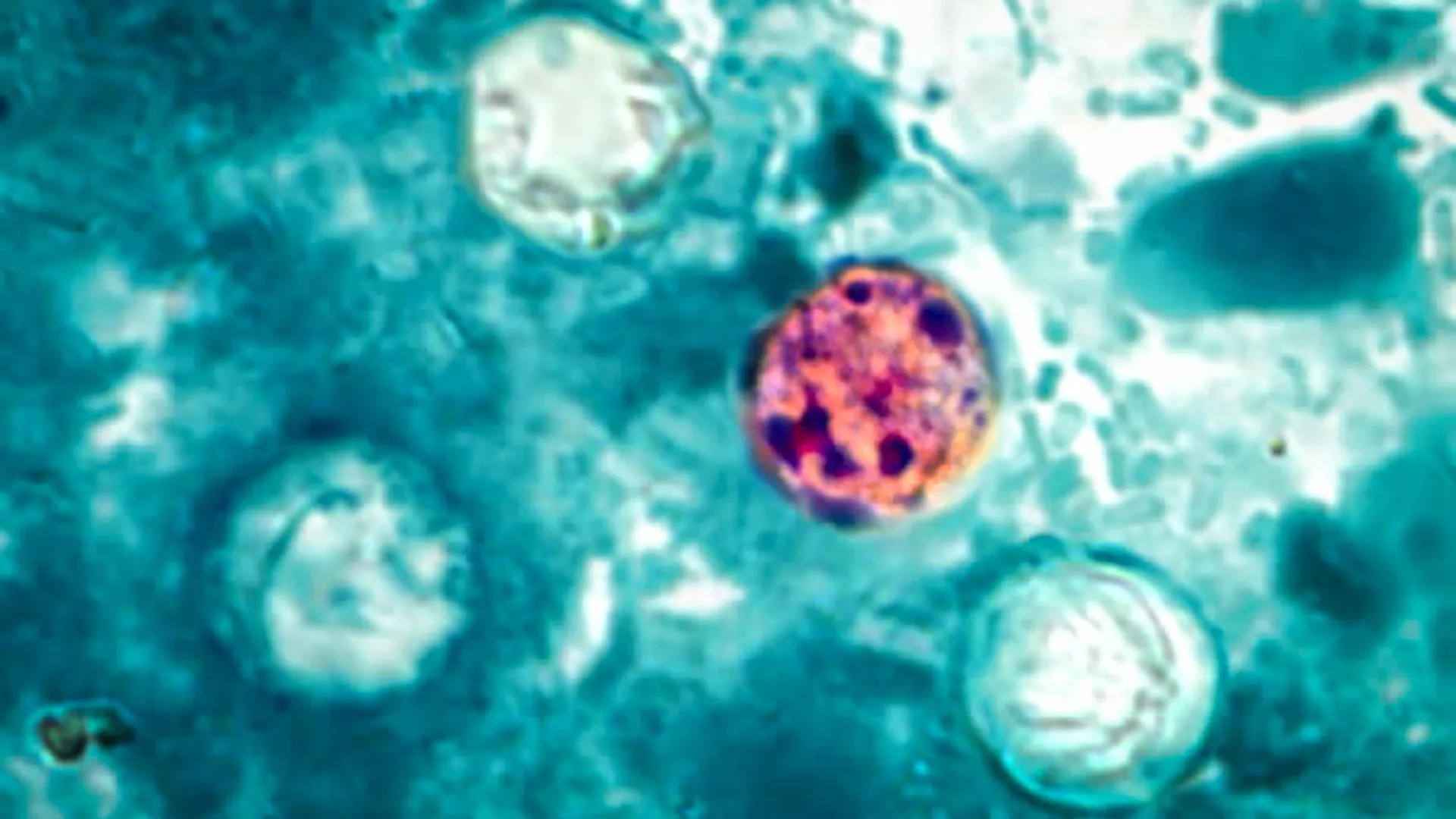
A Cyclospora outbreak spanning four states has infected over 400 people, with the CDC warning that the true case count exceeds reported numbers. Investigators have not yet identified the contaminated food source driving the outbreak.
Cyclospora cayetanensis, a parasitic protozoan, causes cyclosporiasis, an intestinal infection characterized by watery diarrhea, abdominal cramping, nausea, and fatigue. Symptoms typically emerge 7 to 10 days after exposure and persist for weeks without treatment. The infection spreads through consumption of contaminated food or water containing oocysts, the parasite's dormant stage.
The CDC launched an epidemiological investigation to trace the outbreak's origin. Officials are collecting food history data from infected individuals to identify common dietary exposures. Past outbreaks linked Cyclospora to imported produce including raspberries, cilantro, and lettuce. The parasite thrives in warm climates and poor sanitation conditions, making imported fresh produce from tropical and subtropical regions frequent sources.
The multistate scope indicates a distributed food supply problem rather than a localized restaurant contamination. This pattern suggests either a wholesale supplier or a specific produce commodity affected multiple states. The CDC has not disclosed which states face the outbreak, complicating public awareness efforts.
Cyclosporiasis responds to antibiotic treatment with trimethoprim-sulfamethoxazole, though some symptomatic relief occurs without intervention. Severe cases, particularly in immunocompromised patients, require prompt medical attention.
The CDC's statement that cases likely exceed 400 reflects underreporting, a common epidemiological challenge. Many infected people recover without seeking medical care or formal diagnosis, meaning passive surveillance systems capture only a fraction of actual illness. This gap between reported and true case numbers hampers outbreak response efforts and delays identification of contaminated