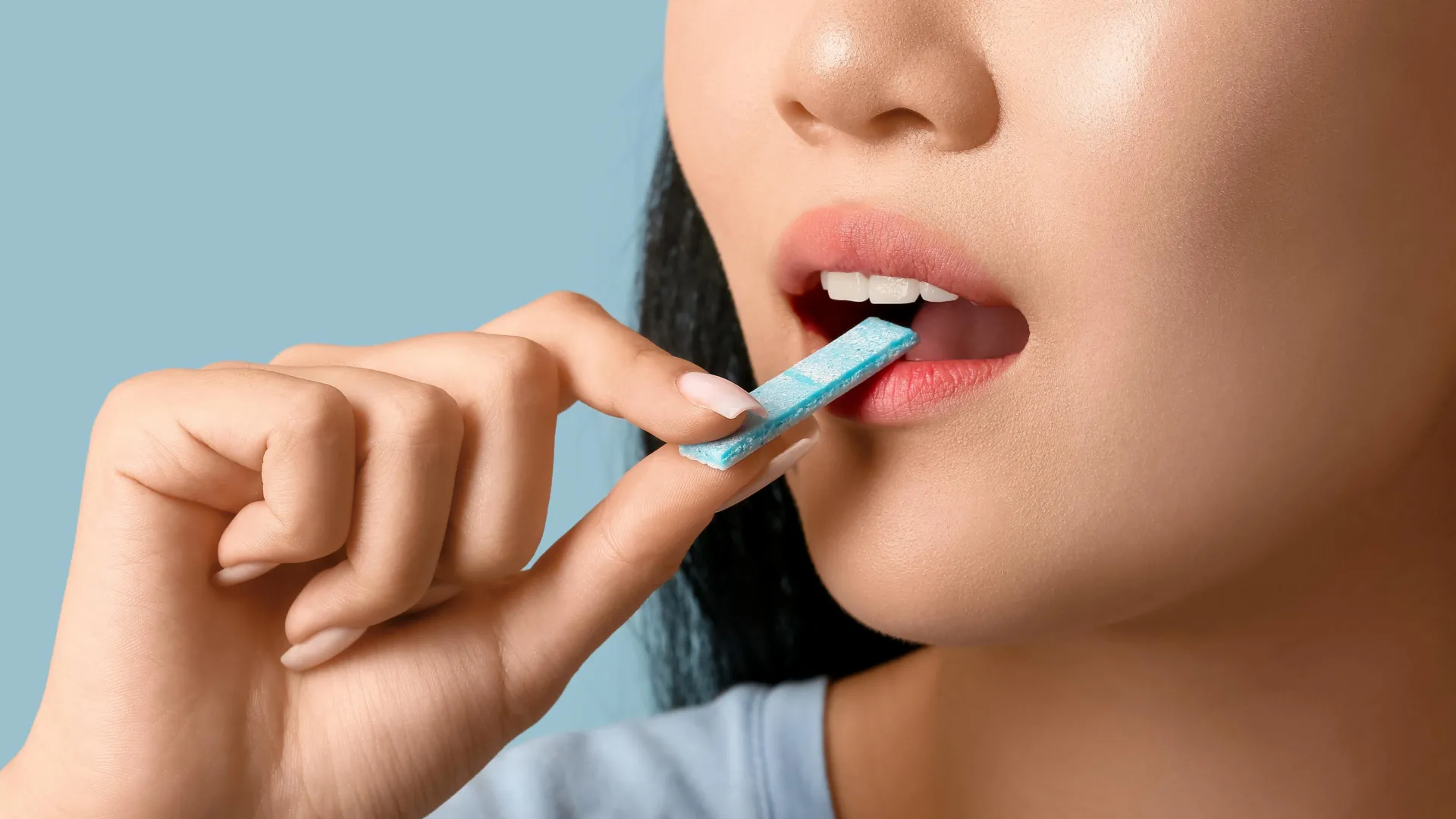
Chewing gum immediately after consuming nitrate-rich foods like beetroot may amplify the blood pressure-lowering effects of those vegetables, according to new research. The mechanism involves oral bacteria that convert dietary nitrates into nitrite, a compound that relaxes blood vessels and reduces blood pressure.
When volunteers chewed gum after eating beetroot or drinking beetroot juice, their bodies produced more nitrite and experienced temporary blood pressure drops. The chewing motion stimulates saliva production, which researchers believe enhances bacterial activity in the mouth. This process represents a simple, non-pharmacological way to boost the cardiovascular benefits already present in nitrate-rich foods.
The study builds on established science. Dietary nitrates from leafy greens and root vegetables already reduce blood pressure through a well-documented pathway. Saliva plays a critical role, as oral bacteria convert nitrates into nitrite in the mouth. The new finding shows that mechanical stimulation from chewing amplifies this natural process.
However, the current research used sugary gum, which introduces a complication. The researchers acknowledge this limitation and express hope for developing sugar-free alternatives that preserve the blood pressure benefit without adding empty calories or promoting dental problems. The blood pressure reduction appears temporary, lasting several hours rather than providing long-term control.
The work has implications beyond hypertension management. Athletes and fitness enthusiasts interested in using dietary nitrates for performance enhancement could potentially maximize results through post-consumption gum chewing. The effect operates through increasing blood flow and oxygen delivery to muscles.
Future studies need to examine the duration of benefits, optimal timing between eating nitrates and chewing gum, and whether sugar-free gum formulations produce equivalent results. Long-term adherence and real-world effectiveness outside controlled laboratory settings remain unstudied. The finding nonetheless offers an inexpensive, accessible intervention for people seeking natural approaches to blood pressure management, pending