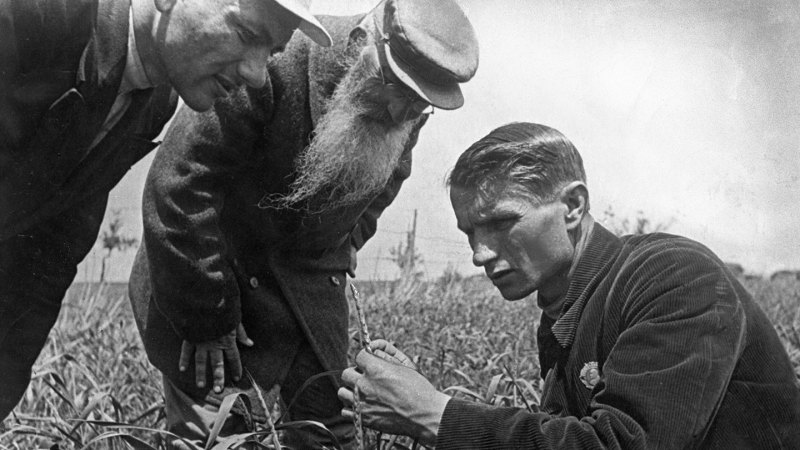
Federal rules under consideration would grant political appointees direct authority over major U.S. science funding and research direction, a shift that science policy experts warn mirrors historical mistakes.
The proposed regulations would place scientific decision-making in the hands of political officials rather than expert panels and peer review systems that currently guide research priorities. Science News reports that precedents from past administrations demonstrate the risks of politicizing research governance.
When political leadership controls science policy, funding decisions frequently shift based on ideology rather than merit. The Trump administration's approach to climate research, the suppression of pandemic data by various officials, and the politicization of vaccine development during COVID-19 all illustrate how political appointees can distort scientific priorities and delay critical research.
Peer review processes exist specifically to filter funding through qualified researchers who evaluate proposals on scientific grounds. Political appointees lack this expertise and typically answer to broader political agendas rather than scientific evidence. Historical examples include efforts to restrict stem cell research, suppress environmental studies, and redirect funding away from inconvenient findings.
The consequences extend beyond individual projects. When researchers cannot trust that funding decisions follow scientific merit, talented scientists pursue careers elsewhere or avoid controversial-but-important questions. Universities and research institutions face uncertainty in long-term planning. International collaboration suffers as other nations question U.S. research independence.
The current system is not perfect. Peer review has biases, and research funding reflects existing power structures within academia. However, removing expert gatekeepers entirely and replacing them with political appointees creates worse problems. It introduces both incompetence in evaluating science and intentional suppression of findings that contradict political positions.
Science advances through competition between ideas tested against evidence. Political control undermines this process by substituting electoral calendars and partisan priorities for the slower, more reliable logic of scientific method. The proposed rules would represent a significant step backward for research integrity and American scientific leadership.
CATEGORY