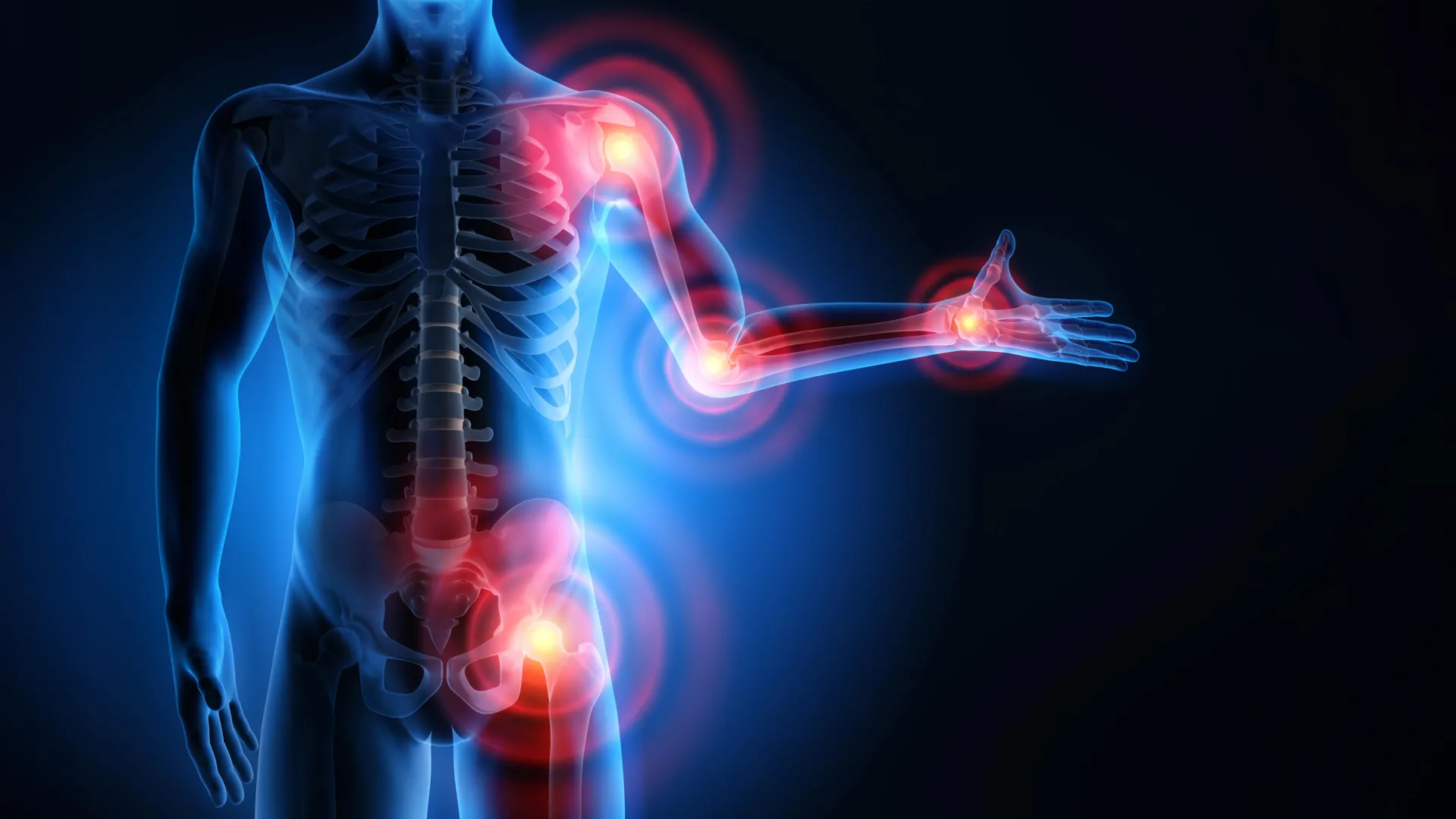
The human body contains numerous structural compromises that reflect evolutionary history rather than optimal engineering. Our spine, eyes, teeth, and pelvis all demonstrate design flaws that persist because they provided adequate survival advantages rather than because they represent perfection.
Evolution builds incrementally on existing structures rather than redesigning from scratch. This process, called evolutionary constraint, locks organisms into suboptimal solutions. The human spine, inherited from our fish ancestors, stacks vertebrae in ways that create vulnerability to herniation and degeneration. Our eyes contain a blind spot where the optic nerve passes through the retina, a flaw absent in cephalopod eyes that evolved independently. Our teeth emerge in patterns that often leave no room in our jaws, necessitating extraction of wisdom teeth in modern humans.
The female pelvis represents a particularly problematic compromise. Childbirth requires a wide pelvic canal, yet upright walking demands a narrow pelvis for efficient locomotion. Human infants arrive less developed than other primates to fit through the birth canal, creating dependency and metabolic costs for mothers.
Other vestigial structures persist simply because they impose minimal harm. The appendix, once useful for digesting tough plant material, now serves little function yet can become dangerously inflamed. Ear muscles, remnants from ancestors who moved their ears, remain useless in humans. The recurrent laryngeal nerve takes an inefficient path around the aorta rather than traveling directly, a leftover from fish gill circulation patterns.
The vagus nerve in our neck follows a roundabout course that increases stroke risk. Our lower back pain epidemic reflects our recent evolutionary shift to bipedalism, an adaptation our vertebral column inadequately supports.
These flaws demonstrate that evolution optimizes for reproduction and survival in ancestral environments, not for long-term health in modern conditions. Natural selection eliminated only those traits that significantly reduced reproductive success.