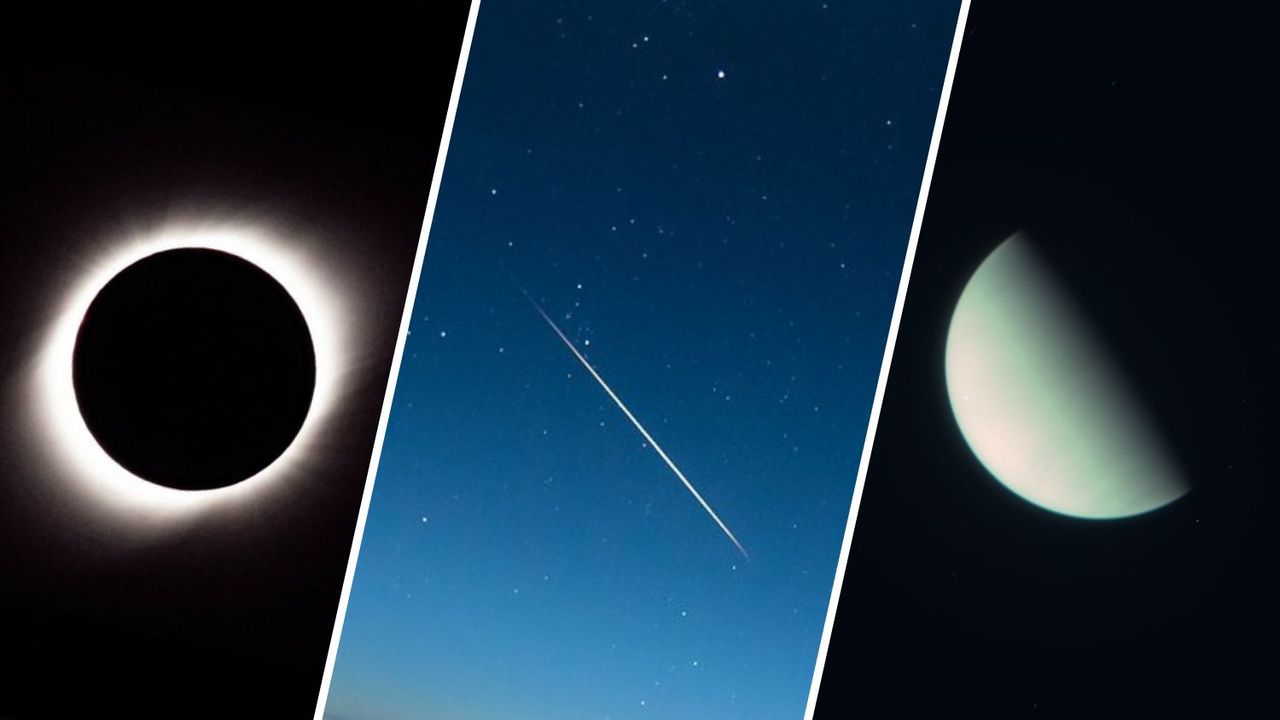
A total solar eclipse will cross North America and Europe on August 12, 2026, offering skywatchers on both continents a rare opportunity to observe the moon completely blocking the sun.
The eclipse path will traverse Spain, Portugal, Iceland, Greenland, and a significant portion of North America including parts of Canada and the northern United States. Observers positioned directly in the path of totality, known as the umbra, will experience several minutes of darkness during daytime as the moon passes in front of the sun. Those outside the direct path will witness a partial eclipse with varying degrees of coverage depending on their location.
Exact timing and duration depend on geographic position. Viewers in different regions of North America will see the eclipse at different times throughout the day. European observers in the westernmost regions will have viewing windows earlier than their North American counterparts.
Total solar eclipses occur when the moon passes between Earth and the sun, casting a shadow on Earth's surface. During totality, the sun's corona, or outer atmosphere, becomes visible to the naked eye. This rare phenomenon allows scientists to study the sun's corona in detail, while observers experience the dramatic transformation of day into darkness.
Proper eclipse glasses meeting ISO 12312-2 international safety standards are essential for safe viewing during partial phases. Looking directly at the sun without protection risks permanent eye damage. Observers within the totality path can remove their glasses during the brief period of complete coverage.
The August 2026 eclipse follows the widely observed total solar eclipse that crossed North America in April 2024. These events occur roughly every 18 months globally, but total eclipse visibility from any specific location happens approximately once every 300-400 years, making the 2026 event notable for European observers who experienced limited eclipse visibility in recent decades.