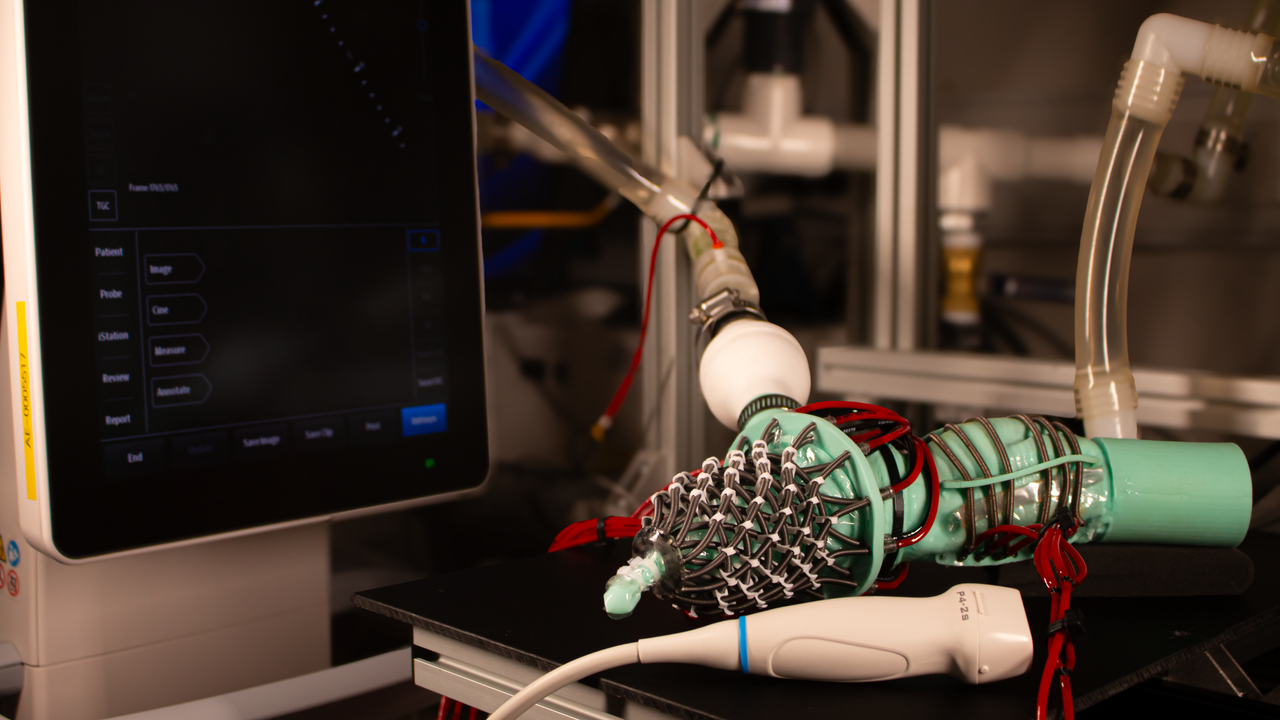
Researchers have developed a robotic heart capable of mimicking different stages of heart failure, offering a novel platform for testing treatments before human trials. The artificial device replicates the mechanical dysfunction that occurs as heart failure progresses, allowing scientists to study the condition in a controlled laboratory setting.
Heart failure affects millions of people worldwide and remains poorly understood in many of its manifestations. The robotic heart addresses this gap by simulating how the organ's pumping function deteriorates over time. Rather than relying solely on animal models or computer simulations, the device provides a physical, tunable system that researchers can manipulate to observe how different interventions affect heart mechanics.
The technology enables scientists to test pharmaceuticals and device-based therapies on a platform that responds like living tissue but without ethical constraints of animal testing. Researchers can adjust parameters such as contractility, stiffness, and ejection fraction to recreate specific disease stages, then evaluate how candidate treatments alter these parameters.
This approach holds particular value for studying idiopathic heart failure, where the underlying cause remains unknown despite extensive investigation. By recreating the mechanical hallmarks of the condition, researchers gain insight into what drives progression and which therapeutic targets show promise.
The robotic heart also accelerates the drug discovery pipeline. Traditional approaches require extensive bench work, animal studies, and regulatory approval before human testing begins. A validated robotic model could compress this timeline by allowing researchers to screen multiple compounds quickly and eliminate ineffective candidates early.
Limitations remain. The device cannot fully capture the complexity of cardiac biology, including hormonal signaling, electrical activity, and immune responses that occur in human hearts. It represents a middle ground between computational models and biological systems rather than a complete replacement for either.
Nevertheless, the robotic heart represents progress toward personalized medicine. Future iterations could potentially incorporate patient-specific parameters derived from imaging data, allowing clinicians to predict individual responses to therapy and tailor treatment