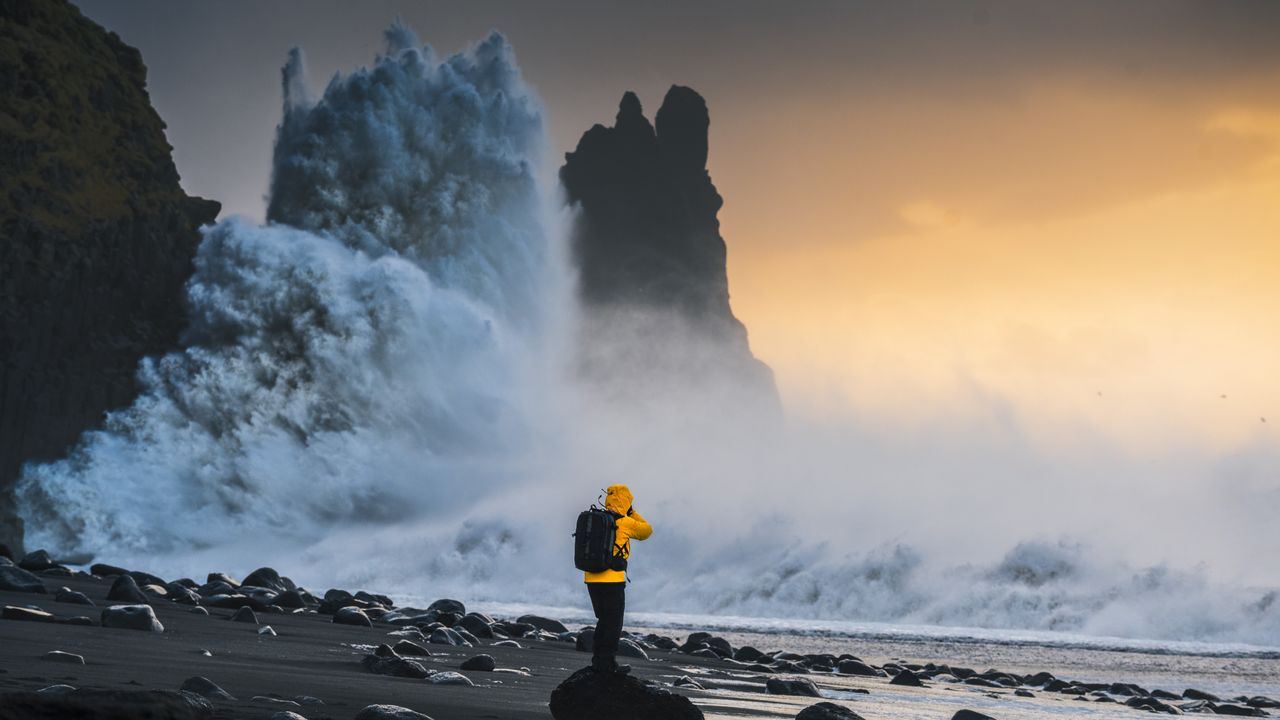
Sönke Dangendorf, a sea level expert, warns that human-caused sea level rise is fundamentally changing flood frequencies along coastlines. What communities once experienced as once-in-a-century flooding events now occur roughly every decade, he explains.
The mechanism is straightforward. As global temperatures rise from greenhouse gas emissions, thermal expansion of ocean water and melting ice sheets elevate baseline sea levels. This higher baseline amplifies the impact of normal tidal and weather-driven water level fluctuations. Storms that previously caused manageable tidal surges now combine with a permanently higher ocean surface, producing severe flooding even during moderate weather conditions.
Dangendorf emphasizes the disruption this creates for daily life. Coastal residents face sudden, repeated inundation that damages infrastructure, contaminates freshwater supplies, and forces evacuation. Property values decline. Insurance costs spike. Emergency response systems become strained from constant activation rather than rare deployment.
The shift from century-scale to decadal-scale events compresses adaptation timelines. Communities historically planned coastal defenses assuming generations between major floods. Now they confront multiple destructive events within 10 years, overwhelming traditional planning and recovery cycles.
Current projections suggest this acceleration will intensify. Depending on emission scenarios, sea levels could rise an additional 1 to 4 feet by 2100. Coastal cities from Miami to Rotterdam already experience "sunny day flooding" or "nuisance flooding," where high tides alone inundate streets without storms present.
The research underscores an uncomfortable reality for coastal populations: what seemed like distant, abstract climate threats now manifest as recurring, expensive emergencies. Dangendorf's analysis highlights why coastal adaptation has become an urgent infrastructure and policy challenge rather than a theoretical concern.