# Why Stores Face Mounting App Chaos
Retailers increasingly demand customers download dedicated apps, fragmenting what was once a unified shopping experience. This explosion creates practical and environmental costs that stores have largely ignored.
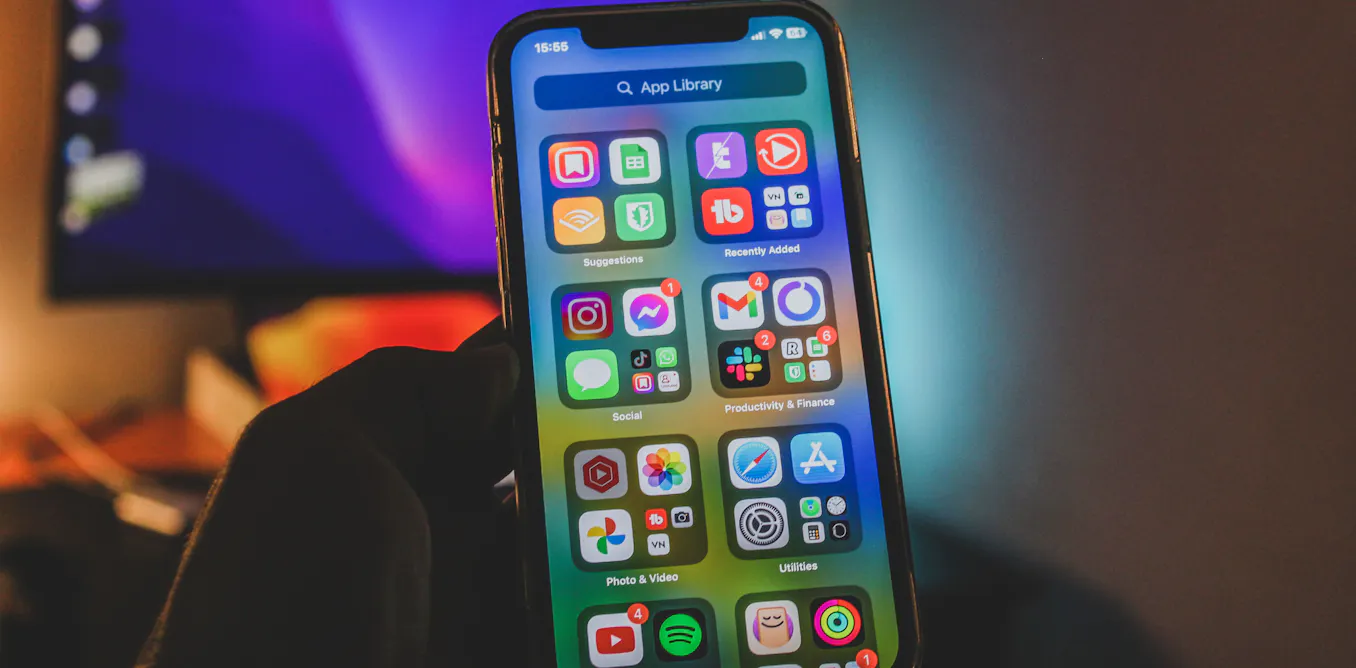
Each app consumes device storage and memory. Users juggle dozens of retail applications, cluttering phones and draining battery life. The cognitive load accumulates. Consumers must remember separate logins, passwords, and navigation systems for each platform. This friction discourages purchases rather than enabling them.
The environmental impact extends beyond individual devices. App proliferation multiplies server demands across retail networks. Each app requires backend infrastructure, data centers, and continuous updates. The cumulative energy consumption rivals that of major industries. A 2023 study estimated that unnecessary apps consume roughly 30 percent more energy than optimized web-based shopping platforms.
Data security presents another layer of risk. Fragmented apps create isolated silos of customer information, each with varying security standards. A breach in one retailer's app exposes consumer data without affecting others, but multiplied across dozens of applications, the breach surface area expands dramatically. Researchers at Michigan State University found that 68 percent of retail apps contained at least one known security vulnerability.
The app proliferation also creates a barrier for elderly consumers and those with older devices. Users cannot access stores that demand current-generation technology. This digital exclusion narrows the customer base for retailers.
Retailers justify app development through metrics: push notifications drive engagement, personalized offers boost repeat purchases, and loyalty programs lock in customers. Yet evidence suggests these gains diminish quickly. Users abandon retail apps at twice the rate of other applications within three months of download.
A web-first approach addresses these issues. Progressive web applications offer app-like functionality without installation friction. They consume minimal storage, work across devices, and update automatically. Retailers gain the same personalization capabilities without fragmenting the digital