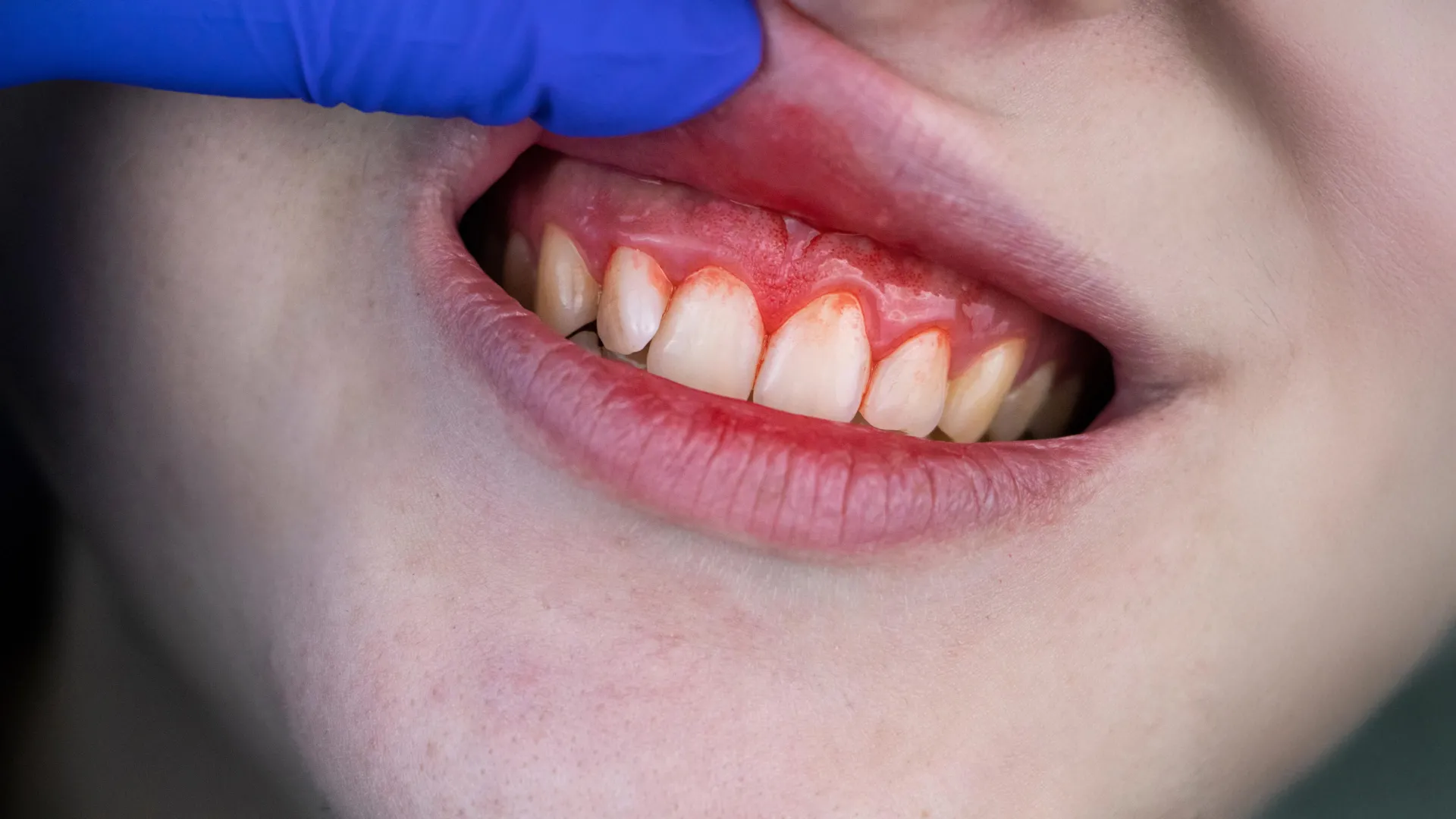
Bacteria associated with gum disease may accelerate calcific aortic valve stenosis, a progressive heart condition where calcium accumulates on the aortic valve, researchers report. The discovery establishes a direct biological link between oral health and a leading cause of valve replacement surgery in older adults.
The research identified that periodontal pathogens trigger inflammatory responses that promote calcium deposition on heart valves. This inflammation drives the valve to stiffen and narrow, restricting blood flow from the left ventricle to the aorta. Calcific aortic valve stenosis affects roughly 2.5 percent of adults over 65 and increases mortality risk substantially when untreated.
The study proposes that bacteria from infected gums enter the bloodstream and colonize the aortic valve, where they activate immune cells and promote the calcification process. This mechanism explains epidemiological observations showing that gum disease patients face elevated cardiovascular risks, though scientists previously lacked a clear mechanistic explanation.
The findings emerge from laboratory investigations examining how periodontitis-associated bacteria interact with valve tissue. Researchers observed that pathogenic organisms stimulate calcium-binding proteins and mineral deposition on valve surfaces, accelerating the stenosis pathway.
The work carries practical implications. Maintaining oral hygiene through regular brushing, flossing, and professional cleanings may reduce circulating periodontal bacteria and lower valve calcification risk. The results suggest that dental health represents an underappreciated factor in cardiovascular disease prevention, particularly for older populations at genetic risk for aortic valve disease.
However, the research remains preliminary. Laboratory findings do not automatically translate to clinical prevention strategies in humans. Large prospective studies must confirm whether intensive periodontal treatment actually reduces calcific aortic valve stenosis incidence. Additionally, many factors beyond infection contribute to valve calcification, including age, cholesterol levels, and genetic pred